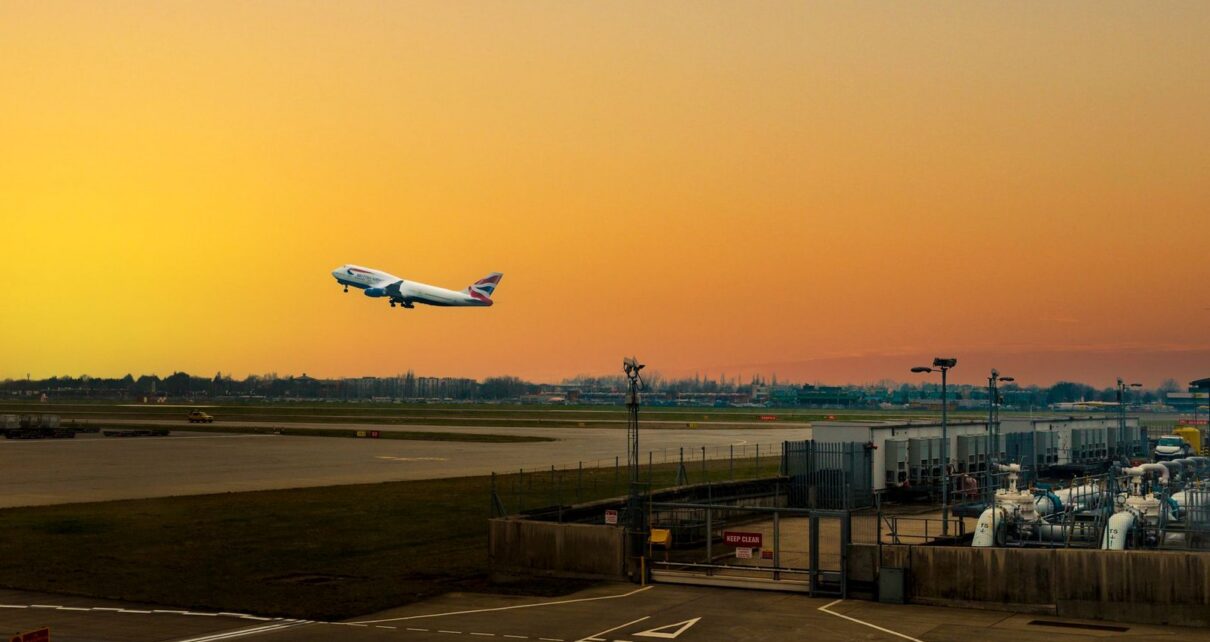
In a behind-the-scenes reshuffling of entry rules, the British government has quietly extended its airport transit visa regime to nine West African nations, placing Senegal squarely in the crosshairs. The move, communicated without a transition period, compels travelers—even those merely changing planes at Heathrow or Gatwick—to secure a prior authorization, irrespective of whether they plan to exit the international zone. The policy overhaul, part of a broader tightening of Sub-Saharan Africa-bound routes, is reshaping the calculus for thousands of passengers connecting through London en route to North America or Asia.
From Dakar to London: the cost of a single layover
Senegal joins Ghana, Nigeria, and six other ECOWAS states on the restricted list, forcing passengers to navigate a cumbersome visa process before their journey even begins. The requirements—biometric enrollment, consular fees, and often weeks-long processing delays—clash with the tight schedules of business travelers and students alike. While the British Home Office cites unspecified security concerns, the decision lands at a pivotal moment for Dakar, which has staked its economic diplomacy on seamless global connectivity under President Bassirou Diomaye Faye’s administration.
Diplomatic strain or security necessity? London’s dual message to Africa
The timing of the measure raises eyebrows, especially as the UK has recently positioned itself as a key economic partner for Africa, hosting high-profile investment summits and touting the City of London’s role in bridging financial flows between the continent and global markets. Yet the sudden imposition of transit restrictions sends mixed signals to ECOWAS capitals, which may now reconsider the terms of engagement for British travelers, investors, or diplomats visiting the region. If reciprocity becomes a bargaining chip, British Airways and Virgin Atlantic—both operating hub-spoke routes from Dakar to the UK—could face steeper market competition from Middle Eastern carriers like Emirates or Turkish Airlines, which offer more lenient transit policies.
The ripple effects on West African diaspora networks
Diaspora communities, particularly those settled in the US or Canada, are already recalibrating their travel itineraries to avoid the British transit bottleneck. Families accustomed to cost-effective layovers in London—often choosing the UK gateway for its competitive fares—now face steeper budgets and logistical hurdles. The administrative burden not only inflates ticket prices but also diverts traffic to alternative hubs in Paris, Amsterdam, and Istanbul, where West African passport holders typically encounter fewer hurdles. For airlines, the shift could translate to lost revenue on lucrative Africa–North America routes, a corridor British carriers have long dominated.
The unanswered questions behind the decision
The British government has not disclosed detailed data on security threats that prompted the expansion of the transit visa list, nor has it consulted the affected states before implementation. For Dakar and its regional counterparts, the next steps remain unclear: from issuing formal protests to exploring targeted retaliatory measures against British nationals. As the policy takes effect immediately, West African governments must now weigh the diplomatic fallout against the practical disruptions to travel and commerce.