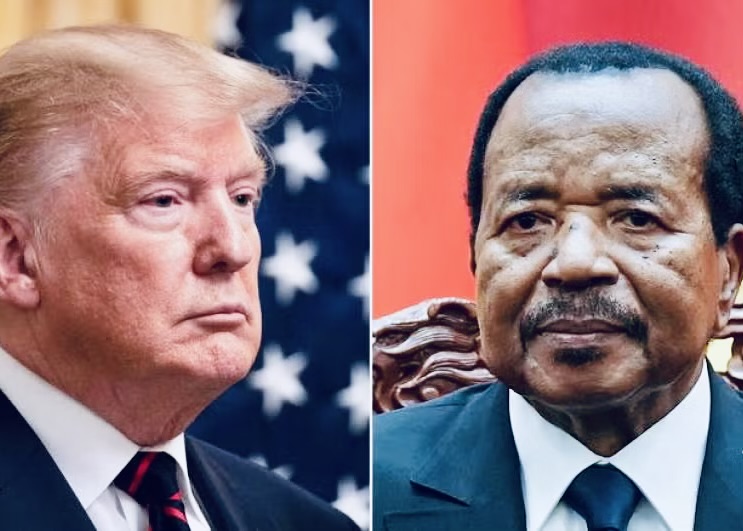
Cameroun : 36 migrants expelled from the US take legal action against deportation agreement
A group of 36 African migrants, forcibly returned from the United States to Cameroon, has filed a lawsuit with the Yaoundé administrative court. Their goal? To block the enforcement of a bilateral deal that enabled their transfer and to secure legal protection from future expulsions to their countries of origin, where they claim persecution risks persist.
- Immigration
Thirty-six African nationals, expelled from the United States and now stranded in Cameroon, have launched legal proceedings against a contentious migration pact between Yaoundé and Washington. Their lawyer, Me Joseph Fru Awah, confirmed the filing of an emergency motion before the administrative tribunal, seeking to suspend the agreement’s enforcement and prevent further removals to their home countries.
The plaintiffs argue that their forcible transfer—executed between January and May 2026—violates international protections. « Cameroon cannot serve as a transit hub for sending people back to persecution or torture, » stated Me Fru Awah. The migrants, hailing from the Democratic Republic of the Congo, Ghana, Angola, Ethiopia, Sierra Leone, Kenya, Senegal, Zimbabwe, and Morocco, claim they face credible threats in their countries of origin.
Legal limbo and restricted freedoms
Despite prior U.S. court rulings blocking their deportation, these individuals were rerouted to Cameroon under a third-country transfer arrangement. Since their arrival, they have been held in an administrative facility supported by the International Organization for Migration (IOM), where their movements remain heavily restricted. The lawsuit demands formal residency status, citing the absence of proper identification documents and an unresolved administrative status.
Cameroon is one of several African nations that have agreed to accept deportees from the U.S. when direct repatriation is blocked. Other participating countries include the Central African Republic, Equatorial Guinea, Rwanda, South Sudan, and Eswatini. The Trump administration has argued that third-country transfers remain permissible when judicial obstacles prevent direct removals.
This case could set a precedent for how Cameroon’s courts interpret the application of such agreements within its borders, potentially reshaping the legal protections available to expelled migrants.