When repression becomes the last resort for failing military regimes
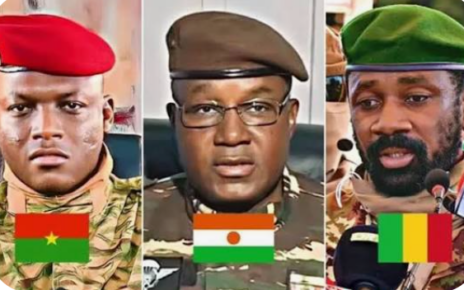
The Alliance of Sahel States (AES)—comprising Burkina Faso, Mali, and Niger—is facing a deepening crisis of legitimacy. As public discontent grows, the military juntas in these nations are turning to widespread repression, arbitrary detentions, and severe restrictions on freedoms to cling to power. Human rights defenders and independent media are among the hardest hit, caught in the crossfire of a regime desperate to silence dissent.
From promises of democracy to a spiral of repression
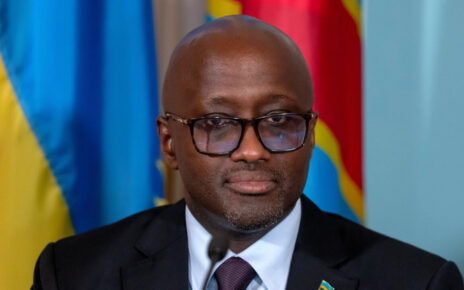
When the current leaders of Burkina Faso, Mali, and Niger seized power, they framed their coups as necessary interventions to restore security and democracy. Yet, their promises of rapid transitions have long since vanished. ‘The situation today shows these regimes are in a true deadlock,’ states Alioune Tine, president of the Afrikajom Center and a prominent human rights activist. ‘Initially, they claimed their mission was to address worsening insecurity. But today, violence has escalated beyond pre-coup levels. When power is taken by force, the fear of losing it the same way looms large.’
The captain of Burkina Faso, Ibrahim Traoré, once vowed to return power to civilians swiftly. Now, his regime not only delays elections but escalates repression to maintain control. ‘He promised early elections, saying the ECOWAS deadline was too long,’ recalls Tine. ‘Those promises were never kept. Instead, we’re witnessing a surge in human rights abuses, including targeted violence against communities like the Fulani people.’
A climate of fear and unanswered questions
The situation in Burkina Faso has reached a boiling point. On June 11, an attack in Mansila reportedly left around 100 dead, according to multiple sources. The attack’s severity has reportedly demoralized troops, with rumors of mutiny spreading. Just a day later, an artillery shell struck the courtyard of the national broadcaster RTB, injuring several people. The incident fueled speculation about internal military strife or even a coup attempt.
Ibrahim Traoré dismissed these claims in a televised address, calling the incident an isolated accident and accusing ‘enemy media’ of spreading fake news. ‘There is no mutiny, no rebellion, no coup,’ he declared. ‘Those spreading such rumors are paid liars.’
Meanwhile, reports indicate heavy military losses, with over 100 soldiers killed, adding to the climate of suspicion within the armed forces.
Regional solidarity under threat
The crisis in Burkina Faso reflects a broader pattern across Mali and Niger. Despite some localized security improvements, particularly in northern Mali, socio-economic conditions continue to deteriorate. ‘These regimes are failing on multiple fronts,’ says Tine. ‘They lack legitimacy and are unable to address the suffering of their people. In Mali, opposition figures in exile have even formed a parallel government, highlighting the depth of the crisis.’
Human rights organizations like Amnesty International and the Senegalese Coalition of Human Rights Defenders are speaking out against the repression of press freedom and civil liberties. They are demanding the immediate release of detained activists, including lawyer Guy Hervé Ham, who has been held since January 24.
From ECOWAS division to Russian influence
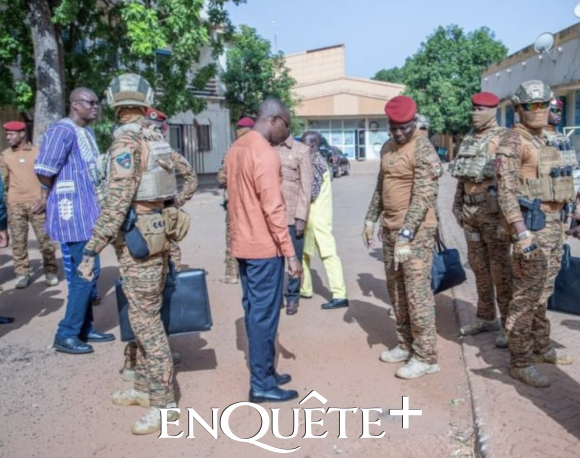
The juntas’ grip on power has led to a dangerous embrace of authoritarian tactics. Arbitrary arrests, forced conscription of civil society leaders, and media blackouts are becoming commonplace. Tine warns that these regimes are evolving into full-blown dictatorships. ‘They are even abducting civil society leaders and sending them to the frontlines,’ he says. ‘Seventy-year-old individuals are being forcibly recruited. This is pure political opportunism.’
To solidify their hold, the juntas have aligned with countries indifferent to human rights, such as Russia. Tine criticizes this shift, stating that it has fractured ECOWAS, splitting member states into pro-Western and pro-Russian factions. ‘This division is catastrophic for regional cooperation,’ he argues. ‘ECOWAS must refocus on the people’s needs, especially the youth, and address critical issues like the CFA franc and foreign military bases.’
The erosion of democratic values in the Sahel is not just a regional issue—it is a warning to the entire continent. As repression intensifies, the question remains: how long can these regimes maintain their grip before the people rise in protest?