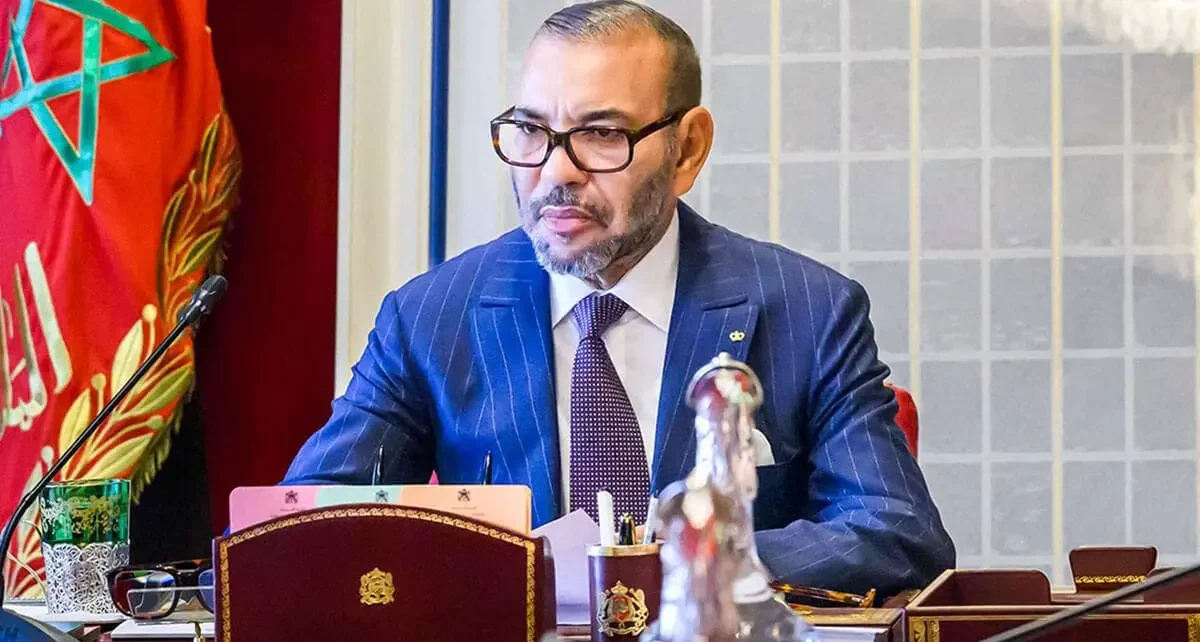
Morocco has firmly established itself as a cornerstone political, economic, and social player, not only across Africa and the Arab world but also throughout the Mediterranean basin and on the global stage. This transformation, driven by strategic foresight and relentless modernization, reflects the Kingdom’s unwavering commitment to progress under the visionary guidance of His Majesty King Mohammed VI.
Anissa Saysay, a German-Moroccan politician and member of Germany’s Christian Democratic Union (CDU), highlighted Morocco’s remarkable evolution in a recent discussion. She emphasized how the nation’s infrastructure development—from high-speed rail networks and cutting-edge ports to thriving industrial and technological hubs—has positioned it as a beacon of stability and innovation in the region.
The Kingdom’s strategic investments in sectors like automotive manufacturing and aerospace underscore its ambition to become a global leader. Meanwhile, its pioneering role in renewable energy has cemented its reputation as Africa’s renewable powerhouse and a vital partner for Europe in the transition toward sustainable solutions.
Morocco’s geographical and cultural crossroads status further amplifies its influence. Bridging Europe, Africa, and the Arab world, the country leverages its unique position to foster economic cooperation, political dialogue, and cultural exchange. On the social front, Morocco has made strides in healthcare access, education reform, and women’s rights, reinforcing its commitment to inclusive development.
Discussing bilateral relations, Saysay noted the growing strength of Morocco-Germany ties. Germany, a key European ally, has become a crucial partner in technology transfer, vocational training, climate protection, and sustainable development. For Morocco, Germany represents a reliable collaborator in North Africa, valued for its stability, dynamism, and pivotal role as a bridge between continents.
Saysay stressed the importance of a mutually respectful partnership, built on shared interests and open dialogue. She underscored the potential of Moroccan-German binational communities to drive investment, knowledge exchange, and scientific cooperation. These communities, she argued, embody the best of both worlds—combining German institutional expertise and technological prowess with Moroccan creativity, resilience, and regional networks.
The Throne Day celebrations are more than a national holiday; they symbolize the unbreakable bond between Moroccans worldwide and their homeland. For the diaspora in Germany and beyond, the occasion serves as a reminder of Morocco’s rich history, cultural heritage, and the transformative journey it continues to undertake under the King’s leadership.