
The rivalry between Morocco’s Justice and Development Party (PJD) and the Justice and Spirituality Movement (Al Adl Wal Ihsane) has reignited, this time over the very purpose of elections in the North African kingdom. Long-standing tensions between the two groups have resurfaced, casting a spotlight on their contrasting visions for political participation and governance in Morocco.
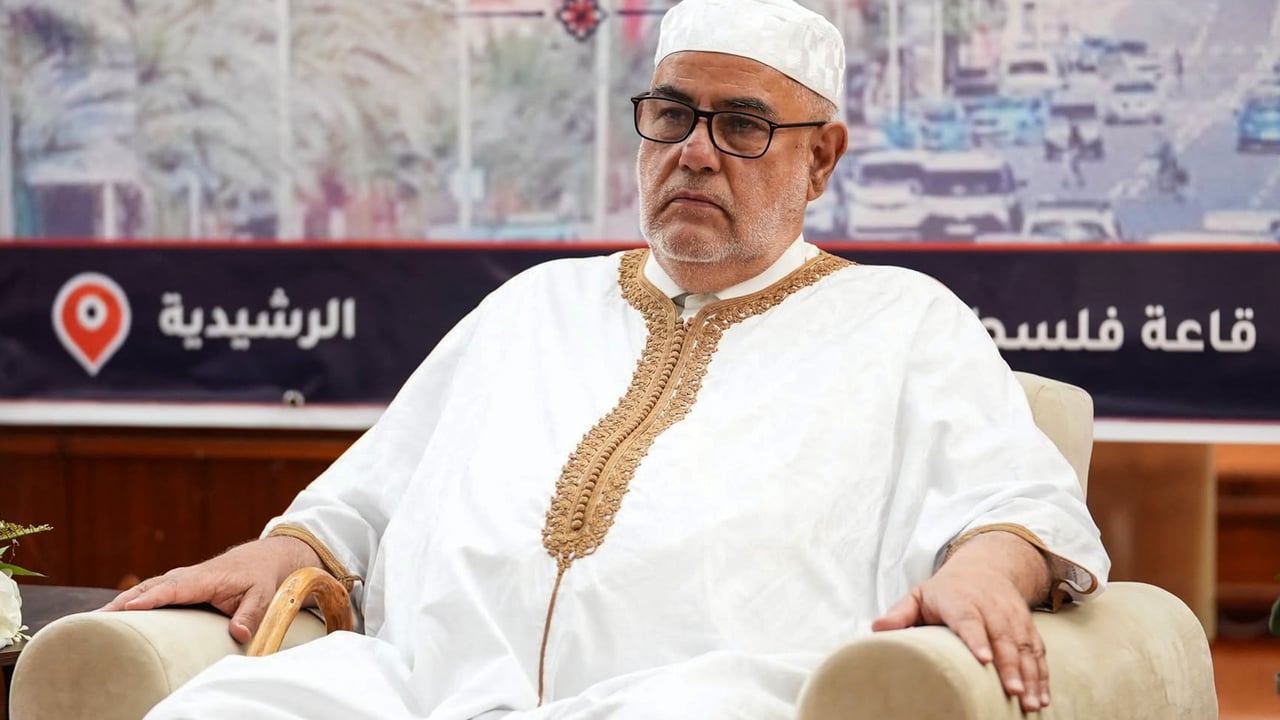
At the heart of the debate is the PJD’s continued engagement with electoral politics, a strategy it has pursued for decades despite persistent criticism from its Islamist counterparts. Abdelilah Benkirane, the party’s secretary-general, recently reaffirmed the PJD’s commitment to democratic processes, arguing that elections remain a viable avenue for effecting change within the system. His stance underscores the party’s pragmatic approach to politics, balancing ideological principles with the realities of a restrictive political environment.
Al Adl Wal Ihsane, on the other hand, has long dismissed elections as a tool of the Moroccan establishment, viewing them as a facade that legitimizes a system it rejects. The movement’s leadership contends that true reform cannot be achieved through ballot boxes but rather through grassroots mobilization and direct action. This fundamental disagreement has fueled a new wave of public exchanges, with both sides leveraging media platforms to amplify their arguments.
The PJD’s position is further complicated by its declining electoral fortunes in recent years. Once a dominant force in Moroccan politics, the party has faced setbacks in consecutive elections, prompting internal debates about its future direction. Some within the party argue for a more confrontational stance, while others advocate for deeper collaboration with other opposition groups to challenge the status quo. Benkirane’s recent remarks suggest a preference for the latter, signaling a potential shift in strategy.
For Al Adl Wal Ihsane, the PJD’s struggles present an opportunity to reinforce its narrative. The movement has consistently positioned itself as the purest expression of Islamic activism in Morocco, free from the compromises associated with electoral politics. Its leaders have seized on the PJD’s challenges to argue that their rejection of the system is not only principled but also strategically sound. However, the movement’s refusal to participate in elections has also limited its influence, leaving it on the margins of mainstream political discourse.
The renewed clash between the two groups reflects broader tensions within Morocco’s Islamist landscape. While the PJD navigates the complexities of electoral politics, Al Adl Wal Ihsane remains steadfast in its opposition, creating a dynamic that shapes the country’s political narrative. As Morocco grapples with domestic and regional challenges, the debate over the role of elections is likely to intensify, with both sides poised to play pivotal roles in defining the kingdom’s future.