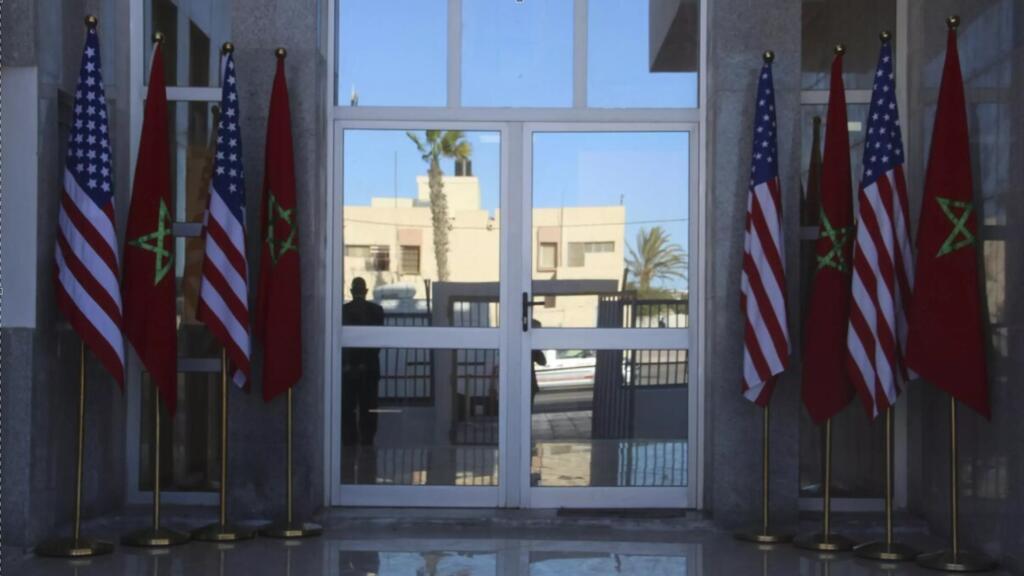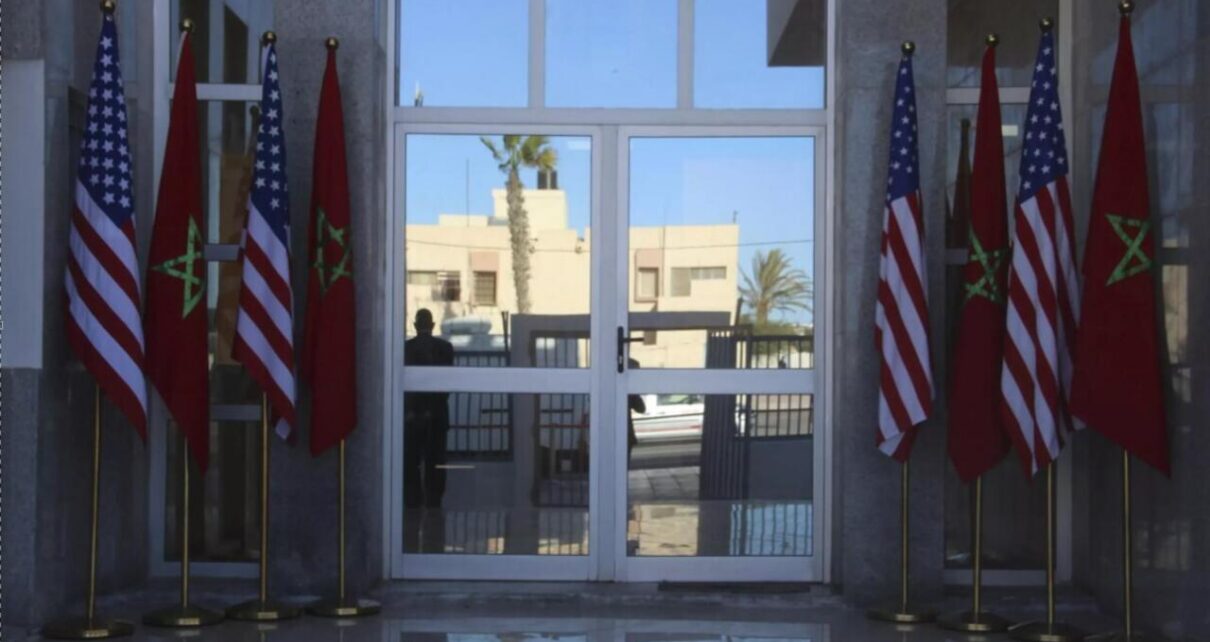
Since late July, the United States has intensified its engagement with Morocco, signaling a significant deepening of both economic and diplomatic ties. This renewed focus follows a pivotal moment in 2020 when Washington formally endorsed Morocco’s autonomy plan for the Western Sahara. That endorsement was part of a broader agreement that saw Morocco normalize its relations with Israel, a move that reshaped regional alliances.
Today, the scope of US support appears to be expanding. Reports indicate that the administration in Washington is now poised to potentially back Moroccan sovereignty claims over the Spanish enclaves of Ceuta and Melilla. This development places immense pressure on Spain, particularly in the wake of recent events where tens of thousands of individuals, including both Moroccan citizens and sub-Saharan migrants, converged upon the territory of Ceuta just last week.
Riccardo Fabiani, who serves as the North Africa Director at the International Crisis Group, offers crucial insights into this evolving geopolitical landscape. He highlights the profound influence of the United States in the region, explaining how these strategic alignments are reshaping dynamics across North Africa and the broader West Africa insider news sphere.