The disappearance of veteran Nigerien journalist Moussa Kaka in Niamey has triggered international alarm, with press freedom organization Reporters Without Borders (RSF) demanding immediate clarity from Niger’s transitional authorities.
A sudden vanishing in the heart of the capital
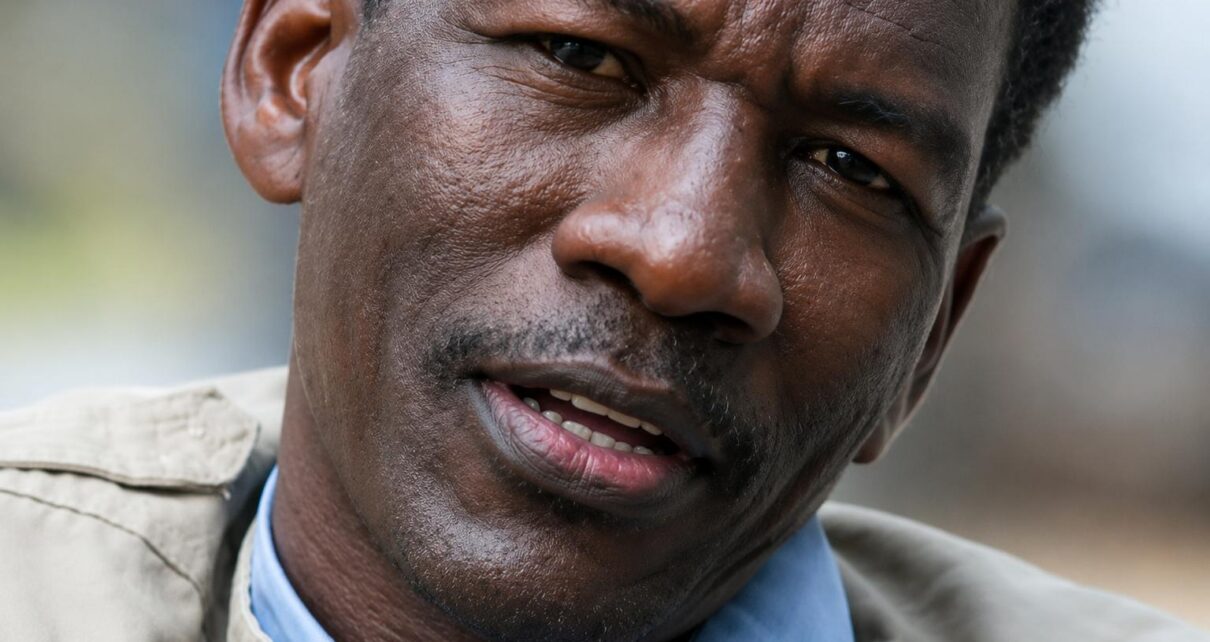
Kaka, director-general of Radio Télévision Saraounia (RTS) and a historic figure in Sahelian journalism, has been out of contact for several weeks. Information gathered from relatives and local colleagues indicates he has not been heard from since leaving his home in Niamey.
No official reason for any detention has been provided by the transitional government, and efforts to obtain information from security services and police stations in the capital have so far yielded nothing.
A familiar voice to African audiences for decades, Kaka built a reputation for rigorous coverage of security issues, political crises, and complex community dynamics across the Sahelo-Saharan region. His career, marked by in-depth investigations and privileged access to key actors, repeatedly exposed him to pressure from various regimes.
RSF steps up pressure
Responding to the resounding silence, RSF has moved quickly to demand accountability. Speaking on Africa Radio, Sadibou Marong, director of RSF’s West Africa office, voiced the organization’s deep concern over what he described as a troubling detention or forced disappearance.
“Moussa Kaka’s disappearance is an extremely alarming signal for the entire Nigerien and Sahelian media landscape,” Marong said. “We urgently call on Nigerien authorities to shed full light on his situation, clarify whether he is being held by intelligence services, and guarantee his physical integrity and immediate release.”
The NGO stressed that protecting information professionals is the responsibility of the transitional government and that journalism cannot be equated with an act of destabilization.
A media landscape under severe strain across the AES
The case unfolds against a particularly harsh backdrop for journalism within the countries of the Alliance of Sahel States (AES), which brings together Niger, Mali, and Burkina Faso. Since military transitional governments took power, civic and media space has faced growing restrictions: suspensions of international outlets, intimidation, arbitrary arrests of civil society actors, and forced self-censorship among local journalists.
For the profession in Niger, Kaka’s case illustrates a worrying erosion of the guarantees needed to practice journalism. As the sub-region confronts immense security and economic challenges, the disappearance of one of its most respected voices casts a dark shadow over the future of the right to report freely in Niamey.