N’Djamena’s scrap metal trade puts children at risk
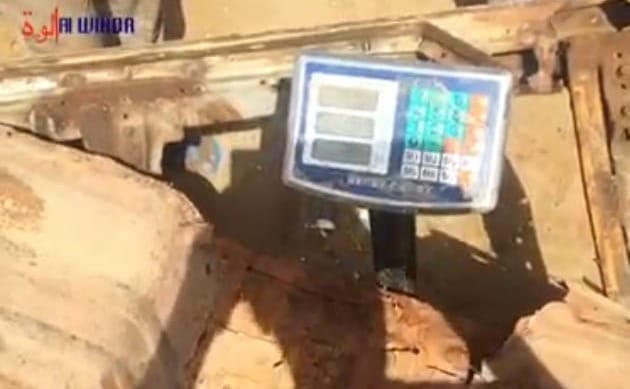
The streets of N’Djamena are now synonymous with a troubling new trend: the rise of the ‘Hadid kilo’ scrap metal trade. This informal industry, where merchants peddle salvaged iron while shouting ‘Hadid kilo!’ (‘Iron by kilo!’), has grown into a profitable but dangerous business—one that is increasingly involving children.
The phenomenon has sparked widespread concern among parents and community leaders. Many fear that the quick cash offered by scrap dealers is luring minors into theft and risky behavior. Reports indicate that children as young as 8 years old have been observed selling family belongings to these merchants, often for shockingly low amounts. In one case, a 10-year-old sold their mother’s gas cylinder for just 600 FCFA. In another, an 8-year-old parted with their sibling’s bicycle for 250 FCFA. These incidents highlight how the ‘Hadid kilo’ trade is fueling a cycle of desperation and exploitation among vulnerable youth.
Local residents point to several factors driving this trend. Many scrap dealers operate without proper documentation, entering N’Djamena from neighboring countries like Niger and Nigeria with the sole purpose of making fast money before returning home. Their itinerant nature makes oversight difficult, leaving gaps that unscrupulous merchants exploit. Parents and guardians are now raising the alarm, insisting that this trade is not only encouraging theft but also normalizing dangerous habits among children.
Community leaders are demanding urgent action from local authorities. They advocate for stricter controls on scrap metal buyers, particularly prohibiting transactions with minors. Calls are growing for increased surveillance in markets and neighborhoods where these dealers operate. The goal is clear: to shield children from exploitation and redirect them toward safer, more constructive livelihoods.
Child protection advocates emphasize that the ‘Hadid kilo’ trade represents more than just a fleeting economic trend—it poses a long-term threat to the social fabric of N’Djamena. Left unchecked, it risks fostering a generation accustomed to quick fixes over education and discipline. Parents and officials alike are urging immediate measures to curb this practice before it undermines the future of the city’s youngest residents.