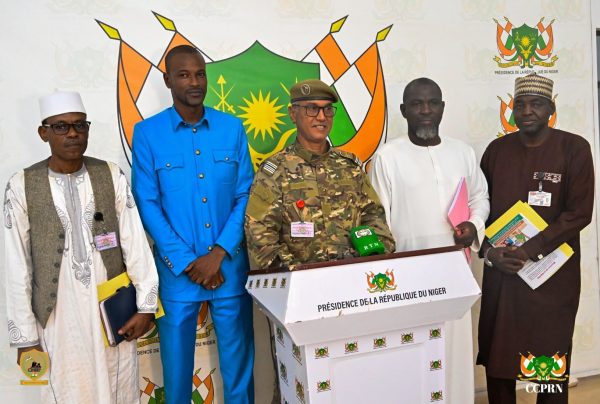
In a decisive move against financial malpractice, Niamey has become the epicenter of a sweeping crackdown on fraudulent activities. On a pivotal Wednesday in August 2026, high-ranking officials gathered within the serene confines of the Presidential Palace, where the outcomes of the first major assessment of the ‘Clean Hands’ initiative were unveiled. Spearheaded by the COLDEFF—a specialized body tasked with combating financial crimes—the operation has sent ripples through government corridors and business districts alike.
The numbers speak volumes: over 74 billion West African CFA francs have been reclaimed and deposited directly into the national treasury. This staggering sum reflects a sharp uptick in recovery efforts, with an additional 12 billion FCFA seized within the past year alone. It’s worth noting that this total does not include seized real estate, confiscated vehicle fleets, or other movable assets surrendered under duress by defaulting individuals.
Financial penalties over incarceration: the CNSP’s guiding principle
The Head of State, addressing the COLDEFF delegation, underscored the government’s unwavering commitment to this strategy. The approach is clear and calculated: prioritize fiscal restitution over punitive measures. The message is unambiguous—‘Our focus is not to overcrowd prisons but to ensure justice is served through financial penalties that heal the nation’s wounds.’
This pragmatic stance serves a dual purpose. While reinforcing accountability, it also maintains a veneer of legitimacy that reassures international partners amid economic headwinds. Every individual targeted is given a stern ultimatum: repay in full or face the consequences. Whispers among officials suggest leniency may be shown, provided compliance is swift and complete.
Yet, as citizens of Niamey and foreign diplomats alike ponder the implications, one question looms large: how will these recovered billions be deployed? In a land grappling with climate adversities and developmental hurdles, the public is watching closely, eager to see if these funds will translate into tangible improvements for the people of Niger. For now, the COLDEFF remains steadfast in its mission, vowing to relentlessly pursue financial wrongdoing.