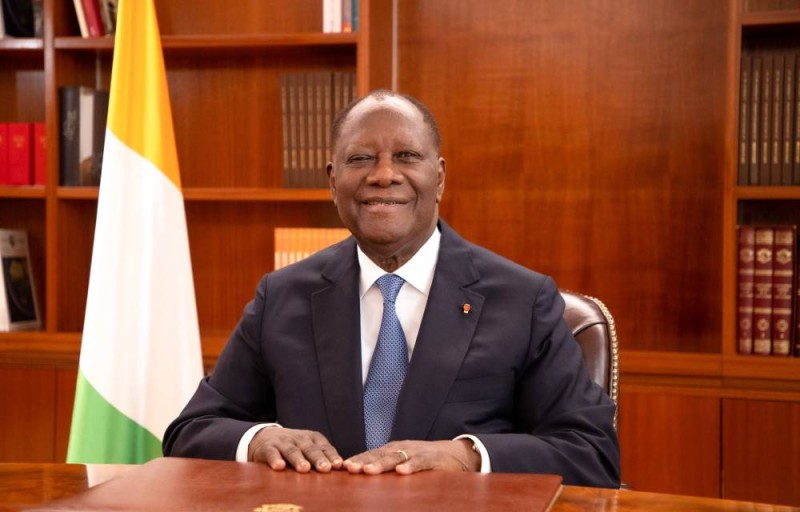
As Côte d’Ivoire marks its 66th Independence Day on August 7, 2026, the annual address by President Alassane Ouattara takes on heightened significance. Beyond the ceremonial aspect, this speech arrives at a pivotal moment when economic strain, social demands, and regional security challenges collide with public impatience for tangible improvements in everyday life.
Economic pressures shaping national expectations
While international partners continue to commend Côte d’Ivoire’s macroeconomic progress, many citizens feel the benefits remain unevenly distributed. The rising cost of essentials—including food, housing, and utilities—has eroded household purchasing power, leaving families searching for relief. As the president prepares to speak, the nation is listening for concrete measures that can stabilize living standards and restore confidence in economic resilience.
Youth employment: a generational wake-up call
With thousands of new graduates entering the job market annually, youth unemployment remains a defining challenge. The president’s speech is expected to outline strategies to stimulate entrepreneurship, expand vocational training, and foster private sector growth—key levers to transform aspirations into economic opportunity for young Ivorians.
Agriculture in the spotlight: securing livelihoods
As a cornerstone of the national economy, agriculture demands urgent attention. Cocoa, coffee, rubber, and cashew producers are calling for policies that enhance income stability, improve access to financing, and strengthen resilience against volatile global commodity prices. The president’s agenda must address these concerns to safeguard rural livelihoods and sustain export competitiveness.
Infrastructure gaps: closing divides between urban and rural
Development remains uneven across Côte d’Ivoire, with rural communities often left behind in access to basic services. Citizens anticipate bold commitments to road networks, clean water supply, reliable electricity, and improved healthcare and education facilities—especially in underserved regions. Bridging these gaps is essential to fostering inclusive growth and national unity.
Health and education: pillars of social transformation
Strengthening the healthcare system and advancing universal health coverage remains a top priority. Similarly, enhancing the quality of education and vocational training is critical to equipping the next generation with skills that align with labor market needs. These sectors will likely feature prominently in the president’s vision for sustainable human development.
Security and governance: safeguarding progress
In a region facing rising security threats, Côte d’Ivoire must reinforce its commitment to peace and stability. The president’s address is expected to reaffirm strategies for combating terrorism, strengthening national cohesion, and ensuring transparent governance. A renewed focus on anti-corruption and digital modernization of public administration could signal a step toward a more accountable and efficient state.
Investment and industrialization: fueling economic ambition
To consolidate its regional economic leadership, Côte d’Ivoire needs policies that attract investment, spur industrialization, and create high-value jobs. Business leaders will be closely analyzing the president’s remarks for signals of a favorable climate for private enterprise and sustainable industrial growth.
National unity and democratic resilience
Sixty-six years after independence, the country’s trajectory toward prosperity hinges on more than economic indicators. It depends on social cohesion, political dialogue, and democratic resilience. The president’s message may hold the key to reassuring diverse segments of the population and reinforcing a shared vision for the nation’s future.
As Côte d’Ivoire stands at this milestone, the weight of expectations rests on the shoulders of its leader. The president’s speech on Independence Day will not only reflect on past achievements but also set the tone for how the nation navigates its most pressing challenges in the years ahead.