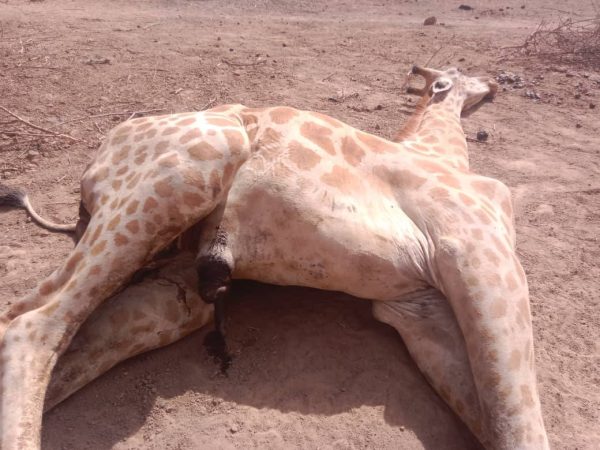
The first giraffe calf born in Niger’s Gadabedji Biosphere Reserve, named Abagana, has died tragically at just a few weeks old. The young male succumbed to a severe illness on 16 May 2026, after local veterinary care proved inadequate. His passing marks a dark moment for wildlife conservation and the future of eco-tourism in the region.
a symbol of hope fades
Abagana was no ordinary giraffe. As the first of his kind born in the reserve, he represented more than a conservation milestone—he embodied the promise of a thriving ecotourism industry that could put Niger on the global wildlife tourism map. His presence had already begun drawing visitors eager to see a rare and precious species flourishing in the Sahel.
agonizing final hours
The details of his decline are heartbreaking. Abagana suffered from a penile prolapse, a painful and life-threatening condition that left him unable to urinate. Without immediate veterinary intervention, his condition worsened rapidly. The reserve’s rangers, though deeply dedicated, were powerless to save him.
This is not the first tragic loss in recent months. Another giraffe—a female—died during a difficult birth, also deprived of the medical support she desperately needed. The repeated failures highlight a growing crisis in wildlife care across the region’s protected areas.
call for urgent action
The death of Abagana is more than a wildlife tragedy; it’s an economic blow. Each giraffe in the reserve is a cornerstone of the local tourism economy, attracting visitors from around the world and generating vital income for communities. But without proper care, the future of these iconic animals—and the industry they support—hangs in the balance.
Conservationists and rangers are now demanding that the government take immediate action. They argue that equipping local teams with veterinary first aid skills and anesthesia techniques for wildlife is not just necessary—it’s overdue. Without skilled personnel on the ground, the reserve’s giraffe population faces an uncertain future, and Niger risks losing one of its most precious natural attractions.
« We watch helplessly as these animals die, one after another, » shared a wildlife expert closely involved in the reserve’s operations. « The lack of trained professionals is costing us dearly—not just in lives, but in the very future of our tourism economy. »
As the sun sets over the golden dunes of Gadabedji, the silence where Abagana once stood echoes louder than ever. The clock is ticking, and the survival of this unique ecosystem now depends on decisions made today.