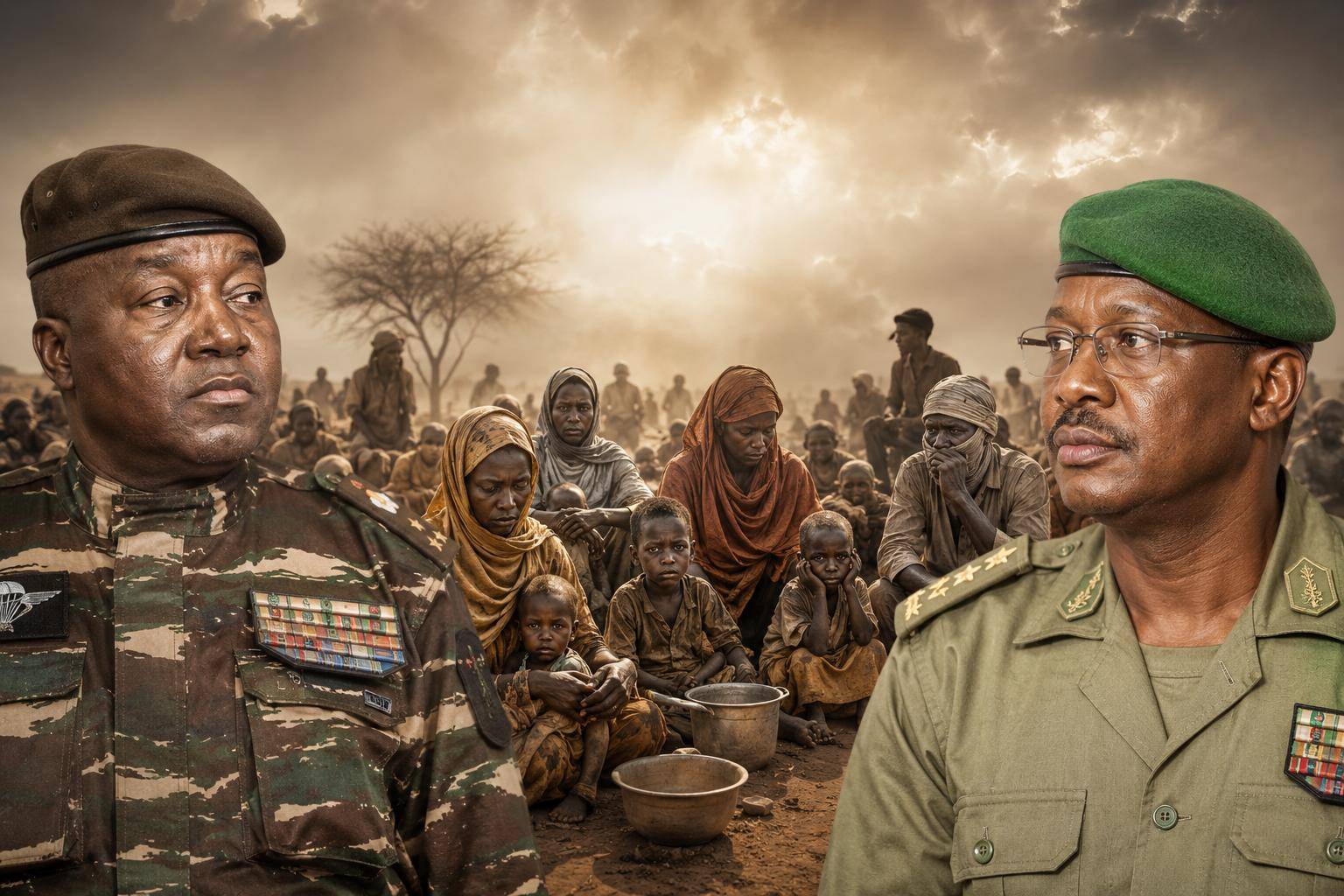
The Nigerien military’s recent decision to split Operation Garkoi into two new tactical headquarters—Operation Akarasse along the Algerian border and Operation Klafoki along the Chadian border—has ignited sharp debates among Sahel governance and security analysts. While official statements tout enhanced efficiency and coordination, critics argue this restructuring is little more than an expensive bureaucratic maneuver masking deeper systemic flaws.
Inflated ranks amid crushing public hardship
Analysts warn that the creation of two parallel command structures comes with a steep ethical and financial price tag. Deploying new top-tier officers, detachment leaders, and an entire hierarchical chain means added expenditures that many see as unnecessary. Critics describe this move as a political maneuver to reward military elites with promotions and financial perks, all while the nation grapples with an unprecedented social crisis.
The stark contrast is most glaring in sectors like education, where thousands of contract teachers have gone months without pay, left in extreme precarity. Funding lavish new command centers in Bilma and Arlit while neglecting essential public servants and vulnerable families is widely condemned as a blatant misuse of public funds.
An army stretched to its limits
Beyond financial concerns, this military reorganization exposes a harsh reality the government may prefer to downplay: Niger’s armed forces appear increasingly overwhelmed by armed terrorist groups.
If the situation were truly under control, the existing command structure would have sufficed. The need to split operations into two highly specialized, simultaneous fronts signals that pressure from terrorist factions—including Al-Qaeda, the Islamic State, and Boko Haram—has grown too intense for a centralized response. It underscores a troubling reality: the nation’s borders are under siege, forcing the military to fragment its forces to plug gaps at opposite ends of the country. This fragmentation confirms the expanding reach and escalating intensity of security threats across Niger’s frontier zones.
In summary, the launch of Operation Akarasse and Operation Klafoki raises troubling questions about public fund mismanagement, the neglect of critical social priorities like education, and the military’s growing inability to counter threats effectively. Far from a strategic offensive, this costly overhaul appears more like a desperate reaction to an urgent crisis—one that burdens taxpayers, deepens public suffering, and reveals a troubling security quagmire.