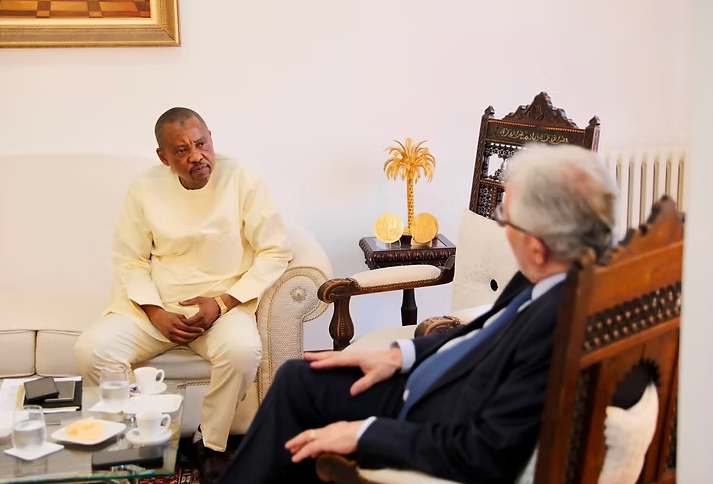
In a striking shift of diplomatic tactics, Niamey has turned to an unconventional channel to re-engage with Paris: the corridors of the Grand Mosque of Paris. The recent meeting between Hamadou Saley, Niger’s chargé d’affaires in France, and Chems-eddine Hafiz, the mosque’s rector, has sent ripples through political circles, revealing a calculated move to bypass the stalled official channels between the two nations.
Why the mosque became a diplomatic lifeline
The rupture in bilateral relations with France has left Niger with few options. Diplomatic expulsions, heated rhetoric on sovereignty, and the collapse of cooperation agreements have frozen what was once a key partnership. Yet, economic realities, migration flows, and geopolitical pressures demand continued engagement. With no access to the Quai d’Orsay, Niamey has sought an alternative route—one that blends faith with diplomacy.
A calculated gamble on religious influence
The Grand Mosque of Paris is more than a place of worship; it is a historic institution with deep ties to the French state. For Niger, leveraging this connection is a strategic maneuver to regain a footing in the French public sphere, especially after being shut out of traditional diplomatic avenues. The meeting wasn’t just a matter of cultural or religious collaboration—it was a calculated attempt to test the waters for political normalization, albeit through an indirect, unofficial path.
A contradiction in approach
This covert strategy stands in stark contrast to the fiery anti-French rhetoric emanating from Niamey. While officials in Niger denounce foreign interference and vow to sever ties with former colonial powers, behind the scenes, the regime is quietly seeking ways to re-establish dialogue. Using religious institutions as a bridge raises serious questions about consistency and intent. Can faith-based initiatives truly serve as a substitute for open, state-to-state negotiations?
What’s next for Niger-France relations?
The use of religious channels to bypass official diplomacy is a risky gamble. While it may provide short-term visibility, it risks undermining the legitimacy of any future engagement. For a sustainable restoration of relations, Niger must eventually return to formal diplomatic channels—ones that prioritize transparency and mutual respect over clandestine maneuvering.