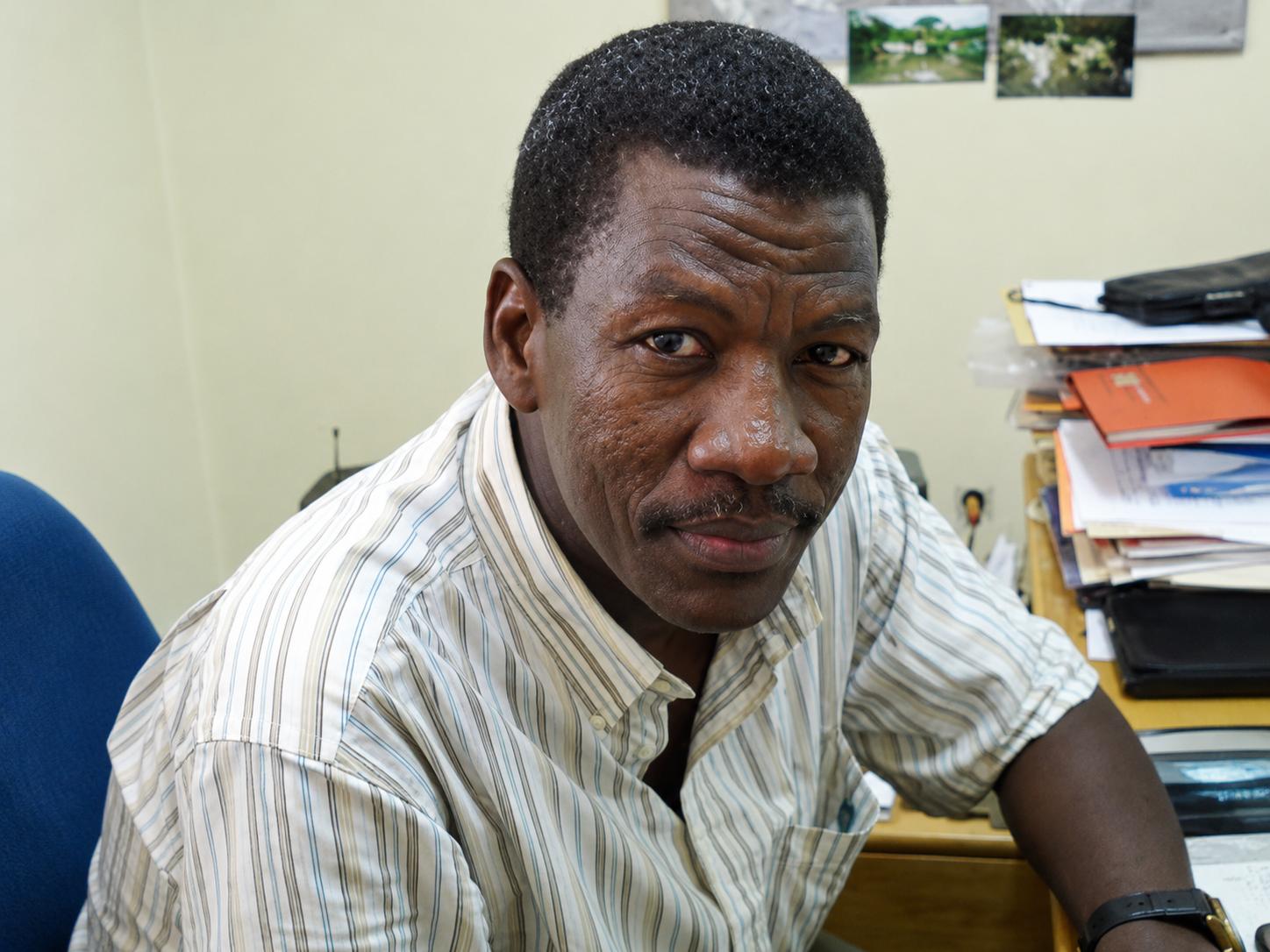
The disappearance and reported detention of Moussa Kaka, a leading figure in Nigerien journalism and longtime correspondent in Niamey, has triggered a growing wave of indignation. For at least a full month, the journalist has been held without any official explanation, leaving his family, colleagues and the wider public in anguish. The consequences are already rippling through the country’s media landscape and beyond.
A month of detention with no official charge
The news spread thirty days ago amid deep uncertainty. While going about his daily reporting, Moussa Kaka was taken and placed in detention by the secret security services of Abdourahamane Tiani. A month after his abduction, no formal charge has been publicly filed against him by the country’s judicial or military authorities.
This prolonged absence of official justification fuels the most serious concerns about respect for legal procedures, his state of health and the conditions of his detention. For his relatives and colleagues, the authorities’ stubborn silence confirms the arbitrary nature of a measure targeting a central figure in the regional media landscape.
‘Absolutely nothing justifies this arrest’
Interviewed by international organisations such as Reporters Without Borders (RSF), colleagues and free-press advocates continue to speak out to demand his immediate and unconditional release.
They all recall the exemplary professionalism of Moussa Kaka, a seasoned journalist who has covered Niger’s political, social and security news for several decades. ‘Absolutely nothing justifies his arrest,’ members of the profession insist, denouncing an intolerable obstruction of news reporting and a denial of justice that drags on.
Impact on citizens and the economy
The prolonged detention of Moussa Kaka is not just a media issue. It directly affects the daily lives of Nigeriens, who rely on independent information to make decisions about their safety, their businesses and their future. When journalists are silenced, citizens lose a vital tool for holding power accountable, and the economy suffers as uncertainty discourages investment and international engagement.
A climate of heightened pressure on media across the Sahel
The extended arrest of Moussa Kaka fits into a context of progressive restriction of democratic space and press freedom across the central Sahel. Since the rise of military regimes in the region, independent journalists and foreign media correspondents have faced increased pressure, broadcast suspensions and direct threats in the exercise of their duties. Emblematic figures such as Soumana Idrissa Maïga, publication director of the daily L’Enquêteur, charged with undermining national defence, and blogger and journalist Samira Sabou, regularly targeted, embody this alarming deterioration of press freedom. As mobilisation continues at regional and international levels after a month of silence, this case illustrates the extreme risks faced daily by information professionals reporting on the reality on the ground in Niger.