The broken promise of a second independence
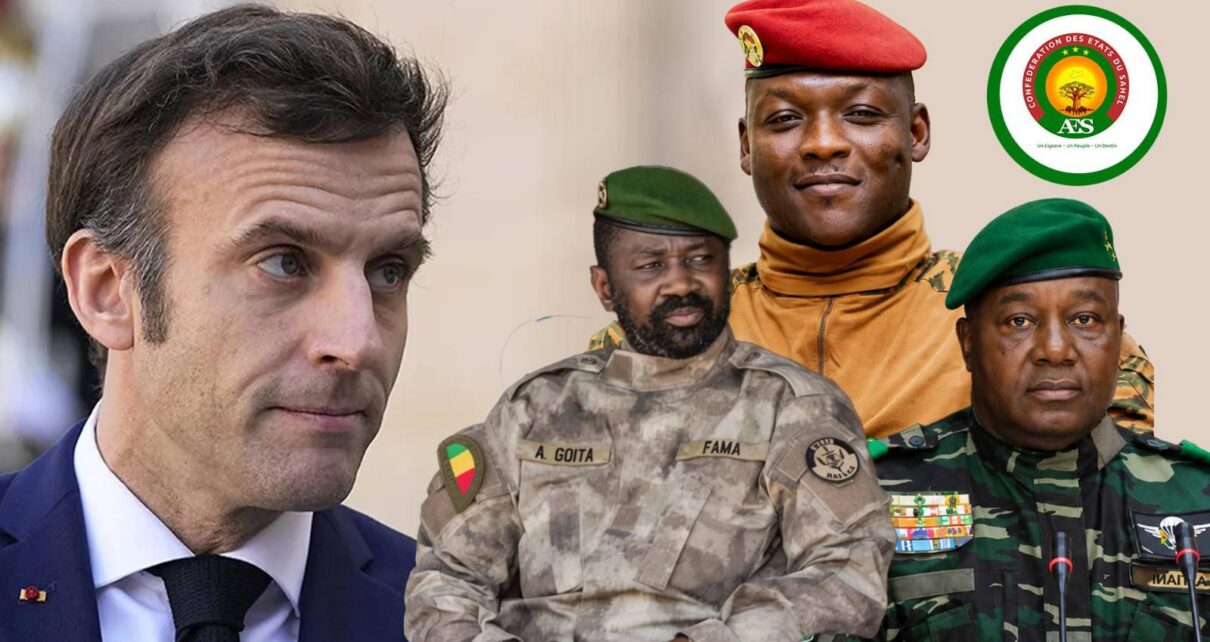
Four years ago, the streets of Bamako, Ouagadougou, and Niamey erupted with anti-French chants, celebrating the expulsion of foreign troops and the severing of ties with Western powers. The military juntas in Mali, Burkina Faso, and Niger pledged a new era of self-reliance, vowing to end terrorism and restore stability through sheer determination. Yet today, the harsh reality reveals a stark contrast: insecurity has deepened, economies are collapsing, and the people of the Sahel find themselves trapped between radical armed groups and a new wave of foreign intervention.
The false dawn of Russian security partnerships
The military regimes justified their coups by pointing to France’s failure to defeat jihadist insurgencies. However, their chosen replacement—Russia’s Africa Corps (formerly Wagner)—has only exacerbated the crisis. Instead of bringing security, these paramilitary forces have adopted a scorched-earth approach, leaving civilians caught in the crossfire.
Terrorist factions like the Group for the Support of Islam and Muslims (JNIM) and the Islamic State in the Greater Sahara (EIGS) have grown bolder, encircling key cities and disrupting vital supply routes. Reports confirm a surge in civilian casualties as joint operations between local forces and Russian mercenaries escalate. Far from being liberated, the Sahel’s population now faces a brutal double threat: unchecked jihadist violence and the harsh tactics of their supposed protectors.
Diplomatic isolation and the erosion of governance
To deflect attention from their failures, the military leaders of the Alliance of Sahel States (AES) have embraced a strategy of institutional rupture. Withdrawing from the Economic Community of West African States (ECOWAS) severed critical economic ties, while the collective exit from the International Criminal Court (ICC) and restrictions on UN agencies have left the region diplomatically adrift.
This isolation serves a single purpose: shielding the ruling juntas from scrutiny over human rights abuses and the indefinite postponement of promised democratic transitions. Elections that were meant to restore civilian rule have vanished from the calendar, leaving behind entrenched military dictatorships in the guise of temporary caretakers.
Economic collapse and the cost of misplaced sovereignty
The dream of monetary and economic sovereignty has crumbled under the weight of reality. Regional isolation has sent the cost of essential goods soaring, while local businesses suffocate under sanctions, shrinking foreign investment, and chronic power shortages that paralyze major cities like Bamako and Ouagadougou.
Public funds are drained to sustain war efforts and pay for Russian mercenaries, often compensated through lucrative mining concessions. Meanwhile, basic social services collapse: thousands of schools remain shuttered, healthcare systems teeter on the brink, and poverty spreads as development grinds to a halt. The promised liberation has instead delivered a tragic regression, where sovereignty is invoked as a shield for a regime’s survival—not the people’s prosperity.
From one master to another: the geopolitical trap
Four years after severing ties with Paris, the Sahel is neither safer, nor wealthier, nor truly independent. The military leaders’ gamble has backfired, forging alliances with an opportunistic Russia whose sole interest lies in geopolitical influence. What was hailed as a bold step toward self-determination has morphed into a crisis of survival, where sovereignty is weaponized against the very citizens it was meant to empower.