Senegal’s constitutional council strikes down Pastef reform, weakening Ousmane Sonko
Constitutional council rejects key reform
The Senegalese Constitutional Council has invalidated the institutional reform bill championed by the Pastef parliamentary majority. The decision, handed down yesterday, marks a significant setback for those advocating a rebalancing of institutional powers.
The proposed amendment, which had already cleared the National Assembly, aimed to restructure key institutions, including the creation of a new constitutional court. However, the Council identified two critical flaws that rendered the reform unconstitutional.
First, the proposed changes lacked a clear funding mechanism for the future constitutional court, violating constitutional requirements for public expenditure. Second, the Council ruled that parliamentary procedures were breached during the consideration of government amendments, particularly regarding the use of the vote bloqué procedure without proper justification.
Political reactions and implications
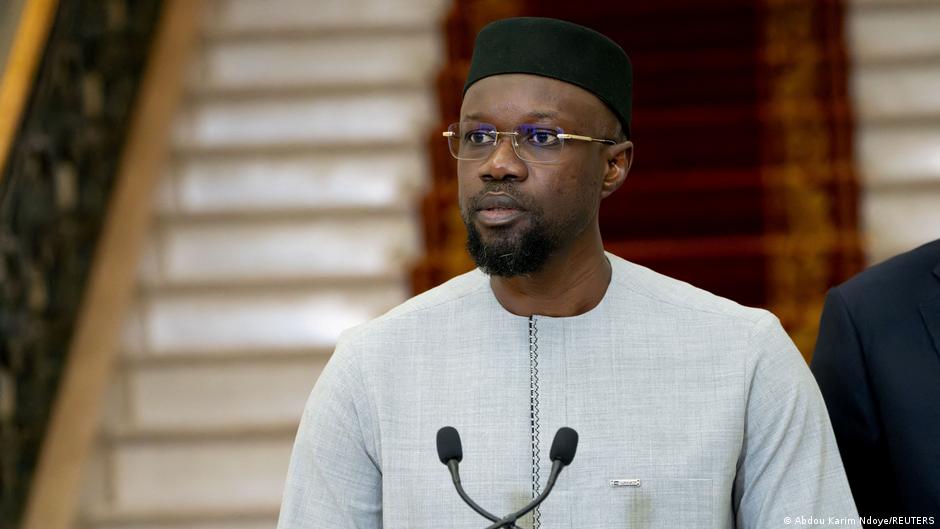
Ousmane Sonko, who had positioned himself as a key architect of the reform, acknowledged the Council’s decision in a social media statement. Meanwhile, allies of President Bassirou Diomaye Faye emphasized the importance of institutional checks and balances, framing the ruling as a reinforcement of constitutional order.
Adji Diarra Mergane Kanouté, former deputy and leader of the USD/A party, noted that while the reform’s rejection closes one chapter, it does not foreclose the possibility of future initiatives. She highlighted that any new attempt must comply with constitutional fiscal requirements, particularly ensuring that new public expenditures are matched by equivalent revenues as stipulated in Article 82, paragraph 2.
The Council also addressed procedural irregularities in the National Assembly’s handling of government amendments, further undermining the legality of the proposed changes.
Civil society weighs in
Dr. Binette Ndiaye, coordinator of the Citizen Forum, praised the Constitutional Council’s decision, emphasizing the need for inclusive constitutional reforms. She argued that the proposed changes were advanced without sufficient dialogue or consensus, potentially undermining democratic processes.
“As a member of civil society, I believe this is a decision to be celebrated. The process leading up to this reform lacked inclusivity and broad consultation. The Council’s ruling reminds us that even with a parliamentary majority, we must respect constitutional principles and engage in meaningful dialogue.”
Growing tensions within the ruling coalition
The Council’s decision arrives amid escalating tensions between Ousmane Sonko and President Bassirou Diomaye Faye. Sonko, who was recently removed from the prime minister’s office, had previously assumed the presidency of the National Assembly, a move seen by many as a strategic repositioning.
Observers suggest that the ruling reflects deeper divisions within the ruling coalition, with Sonko’s influence waning in favor of the president’s consolidation of power. The political rivalry between the two figures continues to shape Senegal’s evolving governance landscape, raising questions about the future stability of the country’s institutions.