Senegal: constitutional council strikes down pastef reform, weakening sonko
The Senegalese Constitutional Council has rejected the institutional reform pushed by the ruling Pastef party majority. The council ruled that the amendment, championed by Ousmane Sonko’s supporters, violated constitutional provisions. The reform aimed to rebalance institutional powers but was deemed unconstitutional by the highest judicial authority.
The decision follows a request by President Bassirou Diomaye Faye himself, who identified two critical flaws in the proposed changes: the lack of a funding mechanism for the future constitutional court and procedural irregularities during parliamentary debates on government amendments. These violations directly contravened constitutional articles 82 and 82(4), rendering the reform invalid.
Adji Diarra Mergane Kanouté, former deputy and leader of the USD/A party, emphasized that while the reform’s rejection halts immediate plans for a referendum, it does not foreclose future legislative efforts—provided they comply strictly with constitutional procedures. She highlighted the need for compensatory funding for new public institutions like the constitutional court, as mandated by article 82(2).
“The constitutional council acted within its mandate by striking down a law that bypassed due process and financial safeguards. Even with a parliamentary majority, constitutional compliance cannot be ignored,” she stated.
Key reform provisions rejected
Among the most contentious elements of the reform was the proposed expansion of parliamentary investigative powers, which would have granted lawmakers broader oversight into natural resource contracts and previously restricted sectors. The council’s ruling effectively blocks these ambitions for now.
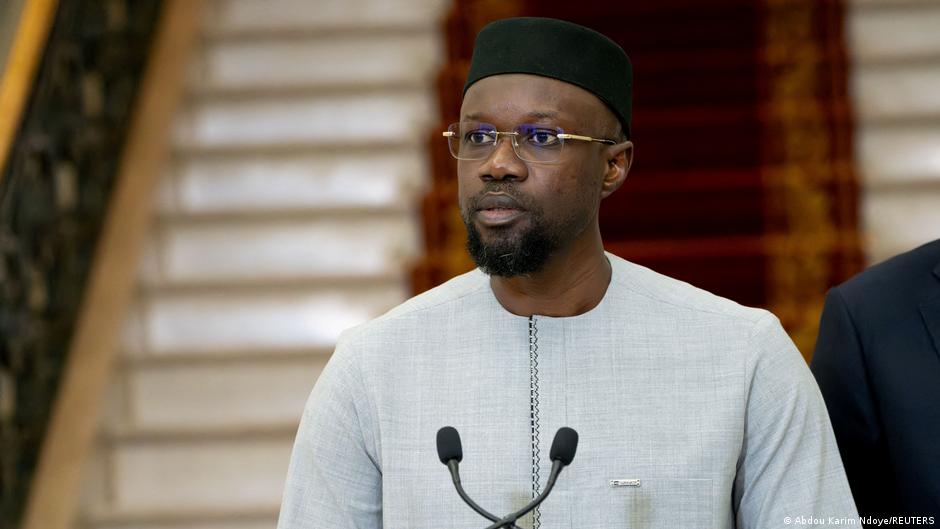
Political reactions were swift. Ousmane Sonko acknowledged the decision via social media, while presidential coalition members framed it as a validation of institutional checks and balances. Dr. Binette Ndiaye, coordinator of the Citizen Forum, praised the council’s decision as a necessary safeguard against partisan overreach.
“This ruling reinforces the principle that constitutional amendments require inclusive dialogue, not unilateral legislative action. The council’s decision protects the integrity of Senegal’s democratic institutions,” Ndiaye remarked.
Growing tensions at the heart of Senegal’s politics
The council’s decision arrives amid escalating tensions between President Bassirou Diomaye Faye and Ousmane Sonko. Sonko, who was removed from the prime ministership in May, recently assumed the presidency of the National Assembly but continues to challenge the president’s authority.
Observers warn that the constitutional setback could deepen the rift between the two leaders, potentially reshaping Senegal’s political landscape in the months ahead.