Senegal politics: constitutional council blocks pastef reforms
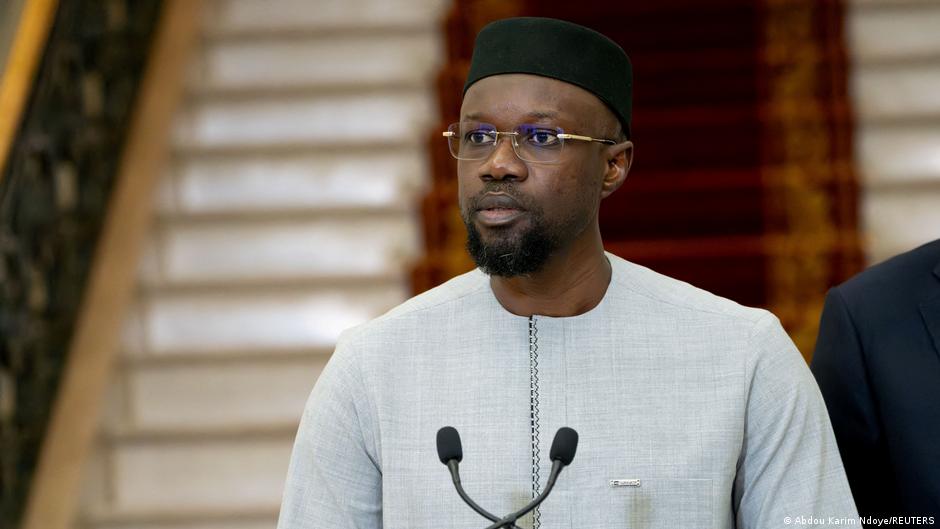
The Senegalese Constitutional Council has struck down the institutional reform bill pushed by the ruling Pastef party, dealing a fresh blow to Ousmane Sonko’s political ambitions. The decision, announced yesterday, invalidated the reform on constitutional grounds, effectively halting the government’s plans to reshape the country’s institutional framework.
The rejected legislation sought to rebalance power between state institutions, but the Constitutional Council identified two critical flaws: the absence of a funding mechanism for the proposed constitutional court and procedural violations during parliamentary debates on government amendments.
Political fallout and constitutional concerns
Legal experts and opposition figures have weighed in on the implications of the ruling. Adji Diarra Mergane Kanouté, former MP and leader of the USD/A party, emphasized that while the reform was rejected, the path isn’t entirely closed. She noted that any future revision must comply with constitutional requirements, particularly regarding public financing and parliamentary procedures.
“The Council’s decision doesn’t close the door entirely, but it sends a clear message: institutional reforms must follow the constitution to the letter. Without proper funding mechanisms and adherence to legislative procedures, such proposals remain vulnerable to legal challenges,” she stated.
Key provisions under scrutiny
Among the most contentious elements of the reform was the expansion of parliamentary investigative powers. The bill aimed to grant lawmakers broader access to contracts related to natural resource exploitation and enhance their oversight capabilities in previously restricted areas.
Ousmane Sonko acknowledged the Council’s decision in a social media statement, while the presidential coalition defended the validity of the reform process and called for continued dialogue on institutional changes. Dr. Binette Ndiaye, coordinator of the Citizen Forum, praised the ruling as a necessary check on executive overreach.
“This decision reinforces the principle that even with a parliamentary majority, constitutional reforms require broader consensus. The Council has reminded us that Senegal operates under the rule of law, where inclusivity and legal compliance must prevail,” she added.
Rising political tensions in Senegal
The constitutional setback comes at a time of escalating tensions between Ousmane Sonko and President Bassirou Diomaye Faye. Sonko, who was removed from the prime ministership in May, had since assumed the role of National Assembly president. However, public statements from both sides have exposed deepening divisions within the ruling coalition.
Observers suggest that the Council’s ruling may further strain relations between the two leaders, potentially reshaping the political landscape ahead of upcoming elections. The decision underscores the fragility of Senegal’s institutional reforms and the challenges facing its young democracy.