The government of Sénégal has issued a fierce response following the decision by the Confédération Africaine de Football (CAF) Appeal Jury to strip the country of its TotalEnergies CAF Africa Cup of Nations Maroc 2025 title. The ruling, which declared Sénégal forfeit for the final played on January 18, officially handed the trophy to Maroc with a 3-0 scoreline.
In a statement released this Wednesday, the Sénégal government described the move as an unprecedented and exceptionally grave act. They argued that the decision directly violates the fundamental principles of sporting ethics, including fairness, loyalty, and the integrity of results achieved on the pitch. This development has quickly become a major talking point for those following West Africa insider news, as it signals a deepening rift between the nation and the continent’s football governing body.
Rejecting what they term an “unjustified attempt at dispossession,” the authorities in Dakar are now calling for an independent international investigation. Their demand is based on “suspicions of corruption” within the leadership of CAF. Beyond the sporting dispute, the government remains focused on the welfare of Sénégal supporters currently held in Maroc following disturbances at the final, while vowing to remain “vigilant and inflexible” in protecting the national team’s rights.
The controversial ruling by CAF
The decision to crown Maroc as champions comes after CAF nullified the original match result. On the field, Sénégal had secured a 1-0 victory during the January 18 final. However, the match was marred by a significant disruption when the Sénégal squad briefly walked off the pitch after a penalty was awarded to Maroc while the game was still scoreless in stoppage time.
Following a 17-minute delay, play resumed. Brahim Diaz missed the penalty, and Pape Gueye eventually scored the winning goal in extra time. This Sahel analysis English perspective suggests that the subsequent administrative reversal by CAF has created a legal firestorm that transcends the sport itself, touching on broader Sahel politics and regional tensions.
The Fédération Sénégalaise de Football (FSF) has already confirmed its intent to take the matter to the Court of Arbitration for Sport (CAS). They have labeled the disqualification as “unacceptable and unfair,” claiming it brings the reputation of African football into disrepute.
Regulatory justifications and reactions
CAF justified its stance by citing Article 82 and Article 84 of the Africa Cup of Nations regulations. Article 82 dictates that any team refusing to play or leaving the field without the referee’s consent is considered the loser and is eliminated. Consequently, Article 84 enforces a 3-0 recorded loss for the offending side.
The Fédération Royale Marocaine de Football (FRMF) stated that their appeal was not meant to diminish the athletic performance of their opponents but was a necessary request for the strict application of tournament rules. They reaffirmed their commitment to the stability and clarity of African competitions while congratulating all participating nations.
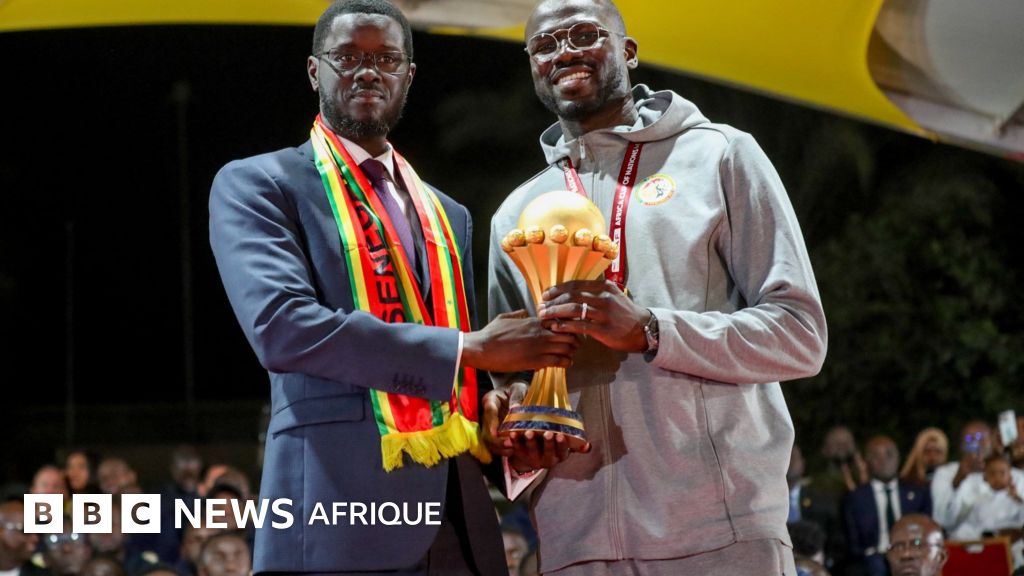
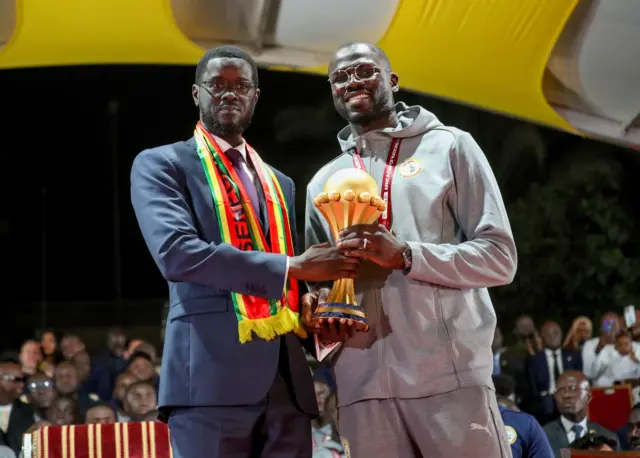
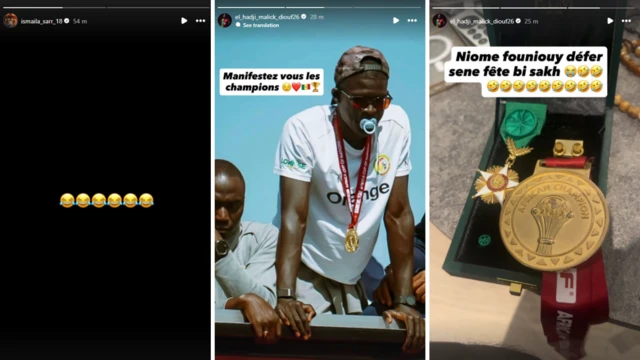
Despite the legal ruling, the emotional impact of the on-field victory remains strong in Sénégal. Images shared on social media showed the team celebrating with the trophy during a bus parade. Sports journalist Maher Mezahi noted that administrative changes cannot easily erase the memory of Sénégal lifting the trophy and the raw emotion of the final 16 minutes of play.
A breakdown of the final’s chaotic moments
The tension peaked in the eighth minute of added time when referee Jean-Jacques Ndala, following a VAR review, awarded Maroc a penalty for a foul by El Hadji Malick Diouf on Diaz. Sénégal coach Pape Thiaw, already frustrated by a previously disallowed goal from Ismaïla Sarr, ordered his players to exit the pitch.
- Sadio Mané remained on the field, attempting to persuade his teammates to return.
- After 17 minutes, the Sénégal team resumed play.
- Édouard Mendy saved a “panenka” penalty attempt from Diaz.
- Pape Gueye scored the decisive goal in the fourth minute of extra time.
Following the match, Maroc coach Walid Regragui criticized Sénégal‘s conduct as “shameful,” while FIFA President Gianni Infantino condemned the scenes on social media. Although Pape Thiaw later apologized for the walk-off, the administrative consequences have proven severe. Interestingly, this crisis comes at a time of transition for both teams, as Maroc parted ways with Regragui shortly after the tournament. For more in-depth Mali Burkina Niger analysis and updates on regional sporting crises, stay tuned to Sahel Insider.