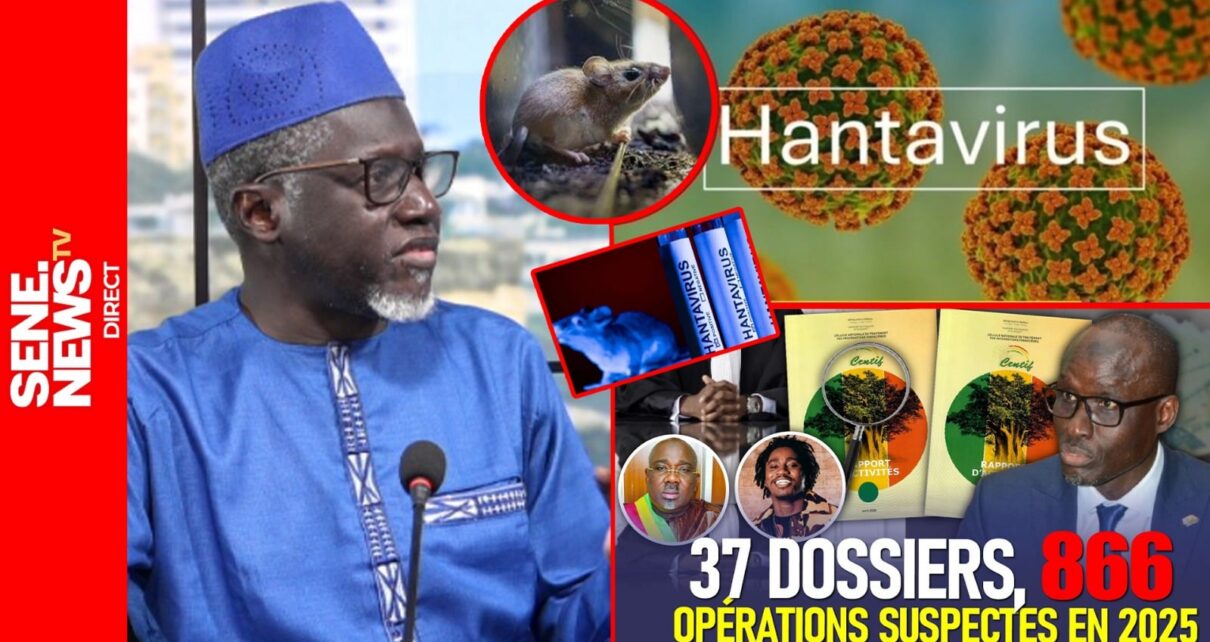
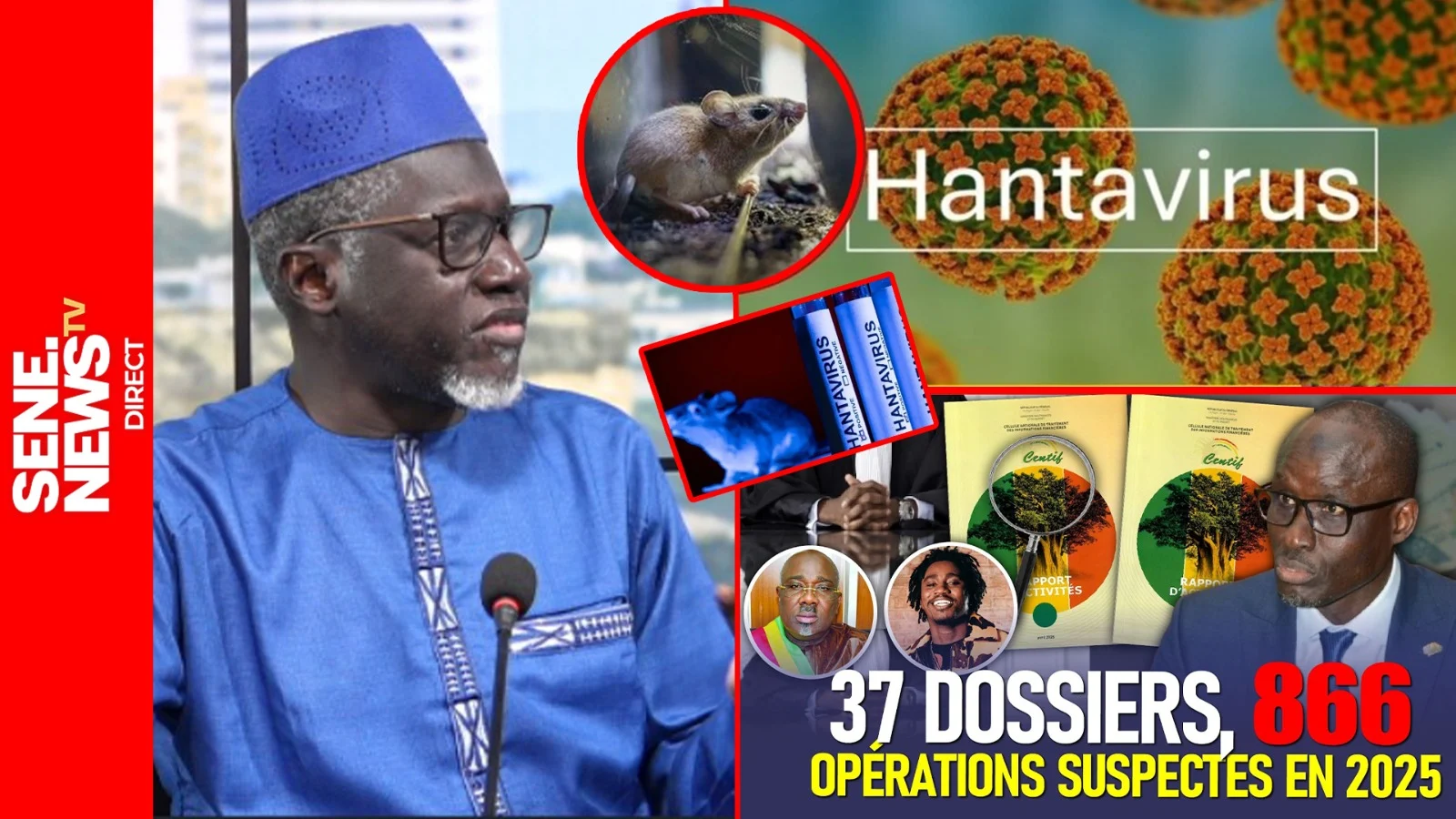
The Sénégal is grappling with two pressing challenges: a growing hantavirus epidemic and a soaring national debt that has triggered widespread concern. These interconnected crises are dominating public discourse, raising questions about the country’s preparedness for health emergencies and its long-term economic stability.
Understanding the hantavirus threat
The hantavirus outbreak has become a focal point of national concern, with health authorities scrambling to contain its spread. Transmitted primarily through rodent excreta, this rare yet dangerous virus has prompted urgent calls for heightened surveillance and public health interventions. While cases remain localized, the potential for wider transmission looms large, underscoring the need for coordinated action.
Economic strain: the debt dilemma
Compounding the health crisis is a debt crisis that shows no signs of abating. The country’s financial obligations have ballooned, placing immense pressure on public resources and raising alarms among economists and policymakers. With debt servicing consuming a significant portion of the national budget, questions linger about the sustainability of current fiscal policies and the long-term implications for development.
Public reaction and media scrutiny
The dual crises have sparked intense debate, with citizens and analysts dissecting the government’s response to both the hantavirus threat and the escalating debt. Media coverage has amplified these discussions, with some questioning whether the situation is being adequately addressed. Meanwhile, international observers are closely monitoring developments, evaluating the country’s capacity to navigate these intertwined challenges.
What lies ahead?
As the Sénégal confronts these formidable challenges, the coming weeks will be critical in shaping the nation’s trajectory. Health officials are doubling down on containment efforts, while policymakers face mounting pressure to devise sustainable economic solutions. The interplay between public health and fiscal stability will undoubtedly remain at the forefront of national discourse, with far-reaching implications for the country’s future.