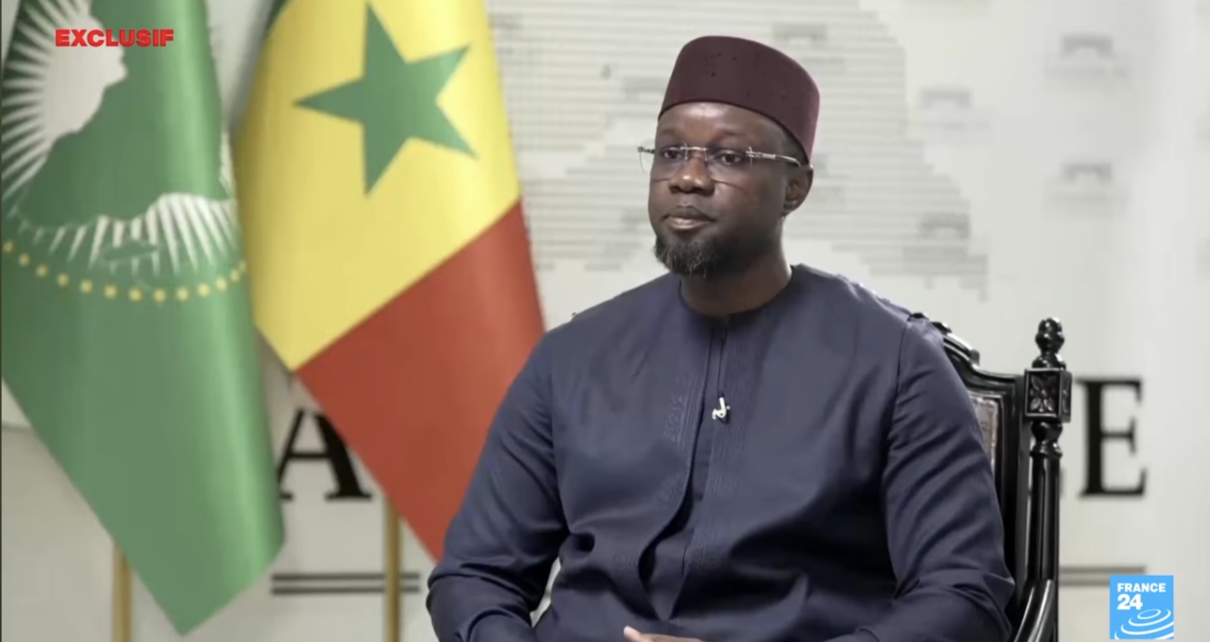
Ousmane Sonko, President of Senegal’s National Assembly, has reignited discussions around the country’s public debt by questioning whether a portion of inherited obligations could be classified as ‘odious debts.’ His remarks have drawn attention to the financial transparency being championed by the current administration.
Transparency as a foundation for economic credibility
Speaking publicly, Sonko emphasized the government’s commitment to presenting a clear and honest picture of Senegal’s public finances. This approach, he argued, is critical not only for domestic trust but also for maintaining strong partnerships with international stakeholders. ‘We chose to start from a healthy foundation,’ he stated, warning that concealing fiscal realities could have weakened the national economy further.
Sovereign debt with conditions worth examining
While acknowledging that a sovereign state must honor its financial commitments, Sonko proposed that certain debts—incurred under questionable circumstances—warrant deeper scrutiny. He called for an international discussion on how to define and address ‘odious debts,’ a legal concept in international law that typically refers to obligations accumulated without benefit to the population or under contested conditions.
Though the application of this doctrine remains debated globally, Sonko’s intervention has pushed it into the spotlight, particularly in West Africa. The nuances of debt classification, he suggested, could reshape how Senegal and other nations manage their financial obligations moving forward.
Shared vision with the head of state
Reflecting on his time as Prime Minister, Sonko admitted that institutional constraints at the time limited his ability to fully pursue this line of reasoning. However, he confirmed that his perspective aligns closely with that of President Bassirou Diomaye Faye regarding public finance management. Both leaders, he noted, are focused on balancing fiscal responsibility with economic sovereignty.
Avoiding drastic debt restructuring
Sonko firmly rejected the idea of abrupt debt restructuring, stressing the importance of preserving Senegal’s financial credibility—especially in dealings with institutions like the International Monetary Fund (IMF). Instead, he advocated for solutions that combine strict budgetary discipline with strategic reforms to foster long-term growth.
In an era of global economic uncertainty and shifting geopolitical dynamics, the conversation around public debt sustainability remains one of Senegal’s most pressing economic challenges. Sonko’s remarks underscore the need for a nuanced, forward-looking approach to debt management.