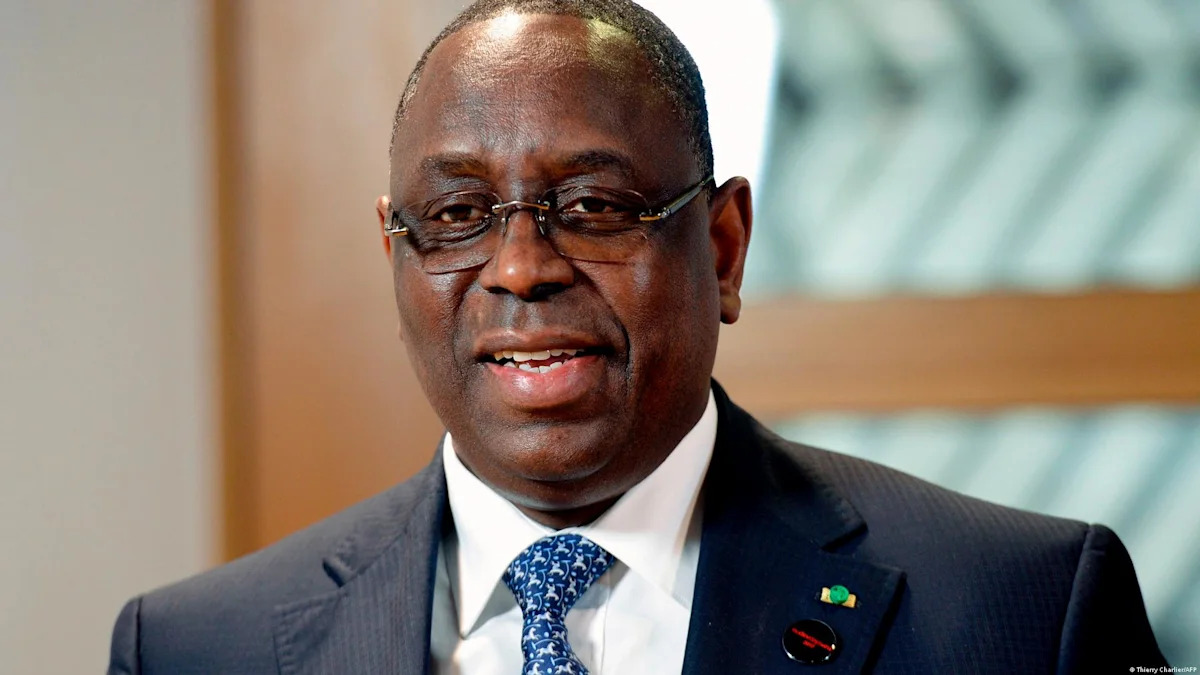
The upcoming meeting between Senegal’s current president, Bassirou Diomaye Faye, and his predecessor, Macky Sall, has ignited fierce criticism from victims’ families who endured political repression during Sall’s tenure. These individuals argue that the timing of the visit—while justice remains unserved—undermines their long-standing demands for accountability and reparations.
Why has this encounter become a flashpoint in Senegalese politics? What consequences could it have on the nation’s political landscape? These are the key questions surrounding the controversy. To delve deeper, we turn to political analyst Assane Samb for his insights on the significance of this meeting in Senegal’s current political climate.
Analyst weighs in on the high-stakes meeting
Assane Samb: The anticipation around this meeting was palpable, even as some voices raised objections. The backdrop of Macky Sall’s potential bid for United Nations Secretary-General adds another layer of complexity. His candidacy, once seemingly unthinkable, gained momentum with support from African nations and key international players like China, prompting a shift in diplomatic calculations.
Justice vs. diplomacy: a growing divide
Criticism of the meeting stems from Senegal’s recent history of unrest between 2021 and 2024, when mass protests clashed with security forces. The upheaval, driven by a revolutionary fervor, left deep scars, with many attributing the repression to the government’s failure to uphold public safety and citizens’ right to peaceful assembly. Organizations like Amnesty International have highlighted the former president’s responsibility as guarantor of these principles.
Faye, once a vocal opponent of Sall’s legacy, now appears unapologetic in his decision to engage with his predecessor. This shift underscores a broader tension: balancing diplomatic imperatives with the expectations of his political base, particularly those seeking justice for past abuses.
What’s at risk for Senegal’s future?
The meeting’s ripple effects could extend far beyond domestic politics. Internationally, it may be met with approval from African leaders, reinforcing diplomatic ties. However, domestically, the move risks deepening political polarization, as victims’ groups and civil society organizations voice their discontent.
With Sall’s UN ambitions looming, the encounter could further entrench divisions, leaving many to question whether reconciliation is possible—or if the wounds of the past remain too fresh to heal.