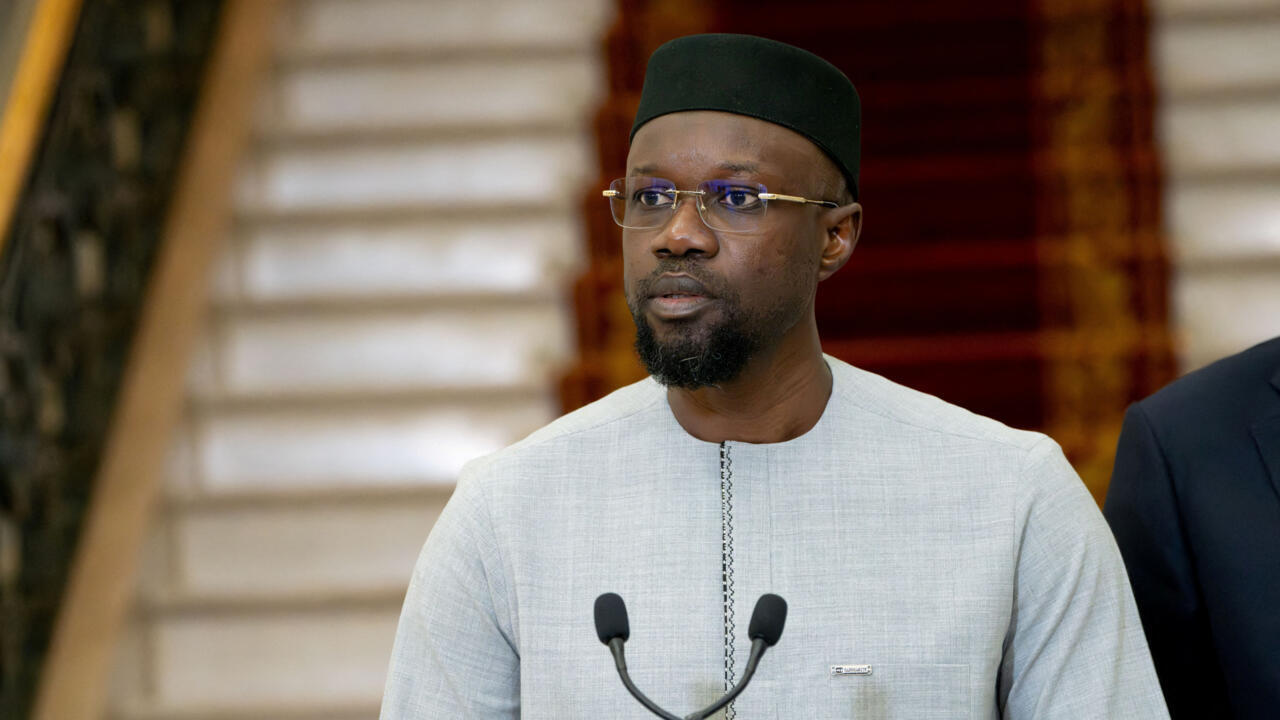
Senegal is witnessing a profound political realignment this morning, with the appointment of a new Prime Minister and the imminent selection of a new President for the National Assembly. These developments are fundamentally reshaping the nation’s governance structure.
Leading the new executive is Ahmadou Al Aminou Mohamed Lo, the recently appointed Prime Minister. Described by some as a pragmatic ‘technician’ following the more populist ‘orator’ Ousmane Sonko, Lo previously served as Minister of the National Transformation Senegal 2050 Agenda. He is widely recognized as an expert in both national and international financial systems, a crucial asset for Senegal as it navigates a challenging budgetary environment while striving to achieve its national ambitions.
Commentators highlight his background as a seasoned economist at the helm of the government. The President has entrusted the executive leadership to a high-ranking state official with extensive experience in monetary and financial affairs, who has been integral to the new administration since its inception. Recognized for his expertise in macroeconomics, banking regulation, financial markets, and Islamic finance, Ahmadou Al Aminou Mohamed Lo is considered a key architect in implementing the new governance framework.
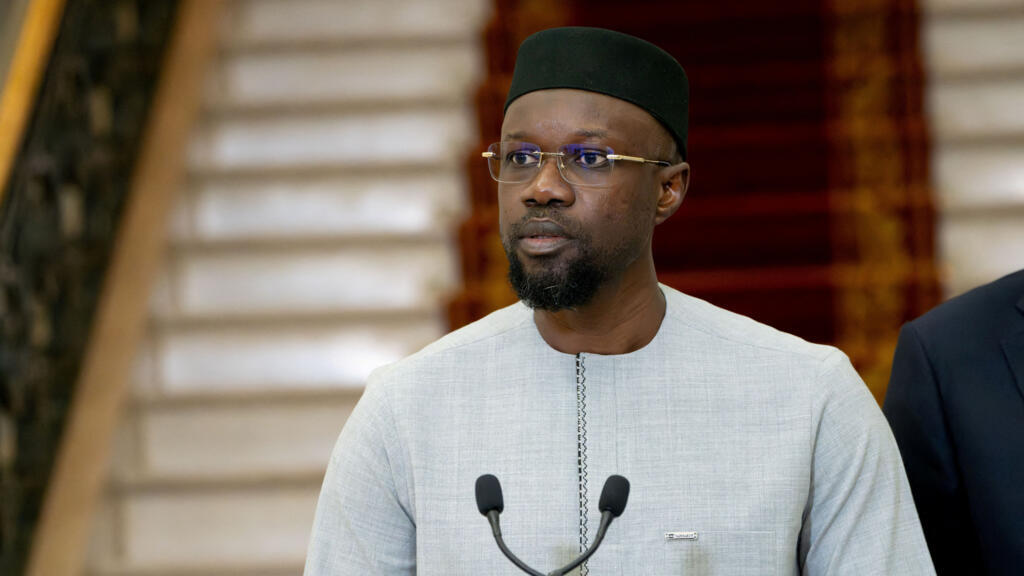
Ousmane Sonko’s potential bid for the National Assembly presidency
The appointment of the new Prime Minister signals a proactive move by President Bassirou Diomaye Faye. Attention now turns to the National Assembly, which is convening this Tuesday morning for a pivotal session. The agenda includes the reintegration of Deputy Ousmane Sonko and the election of a new National Assembly President. This session is expected to be decisive in the institutional restructuring following Sonko’s dismissal from the premiership.
Speculation is rife regarding Ousmane Sonko’s potential ascension to the Speaker’s chair. The primary objective for his party, Pastef, appears to be to counter President Faye’s recent decision by positioning their historical leader at the head of the legislative branch. Freed from governmental constraints, Sonko would gain a strategic platform to exert significant influence over budgetary matters, parliamentary inquiry commissions, and the national reform agenda. Pastef holds a formidable advantage, commanding a substantial majority of 130 out of 165 seats, secured during the legislative elections in November 2024.
However, the legality of Sonko’s potential return to parliamentary duties remains a significant unknown. Several legal experts and political figures dispute his right to reclaim his seat as a deputy. Former parliamentarians Cheikhou Oumar Sy and Théodore Chérif Monteil have pointed out that Senegalese law generally considers the replacement by a substitute as definitive for the entire legislative term. This Tuesday’s session is therefore anticipated to be highly charged. Should Ousmane Sonko’s reintegration be validated, Senegal would enter an unprecedented form of political cohabitation, with the Head of State navigating a parliamentary majority loyal to his principal political rival.
Looking ahead to the 2029 presidential election
Against this backdrop, the 2029 presidential election is already becoming a central focus in Senegal’s political discourse. Ousmane Sonko appears more determined than ever to achieve the highest office. His parliamentary majority has already initiated reforms to the electoral system, which some observers interpret as measures designed to remove the obstacles that prevented his candidacy in 2024. A fundamental question remains: will Sonko patiently await the normal electoral timeline, or will he seek to accelerate the political calendar by imposing a new institutional balance of power? This precisely represents the primary risk to the nation’s stability. When two legitimate forces, even from the same political camp, cease to effectively cohabit, the entire system can descend into a cycle of permanent confrontation. Senegal, long lauded as a beacon of democratic stability in a West Africa region often beset by institutional crises, may be entering a period of significant turbulence in its Sahel politics.
These dynamics could manifest very quickly with the formation of the new government. The question arises: will the new ministers predominantly come from Pastef, the party to which President Faye still belongs, or will they be loyalists to Faye with no direct party affiliation? Furthermore, what if Diomaye Faye decides to dissolve the National Assembly? Such a move would send Senegalese citizens back to the polls, with the hope of securing a more aligned majority. However, it carries a substantial risk; if Pastef were to return with an even stronger majority, not only would the 2029 presidential election be effectively lost for Faye, but Sonko would undeniably emerge as the ultimate political influencer in Senegal, a significant piece of West Africa insider news for regional observers.