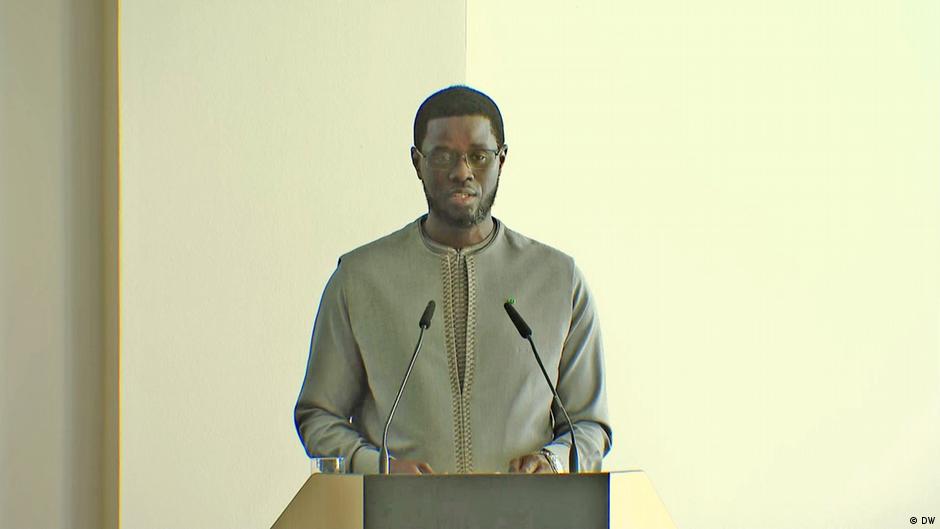
Senegal’s head of state, Bassirou Diomaye Faye, is making a strategic push to attract foreign investment during a high-profile visit to Berlin. The president, who is scheduled to meet with German Chancellor Friedrich Merz and German President Frank-Walter Steinmeier, kicked off his agenda with a keynote address at a German-Senegalese Economic Forum aimed at showcasing the country’s evolving business landscape and untapped potential.
The delegation’s primary mission is clear: to position Senegal as a prime destination for international investors by emphasizing its political stability, democratic traditions, and proactive economic reforms. Faye’s speech highlighted several key initiatives designed to streamline business operations and enhance investor confidence.
Key reforms and investment incentives
Among the most notable measures is a new investment code and an updated customs code, both currently under revision to eliminate bureaucratic hurdles and accelerate trade processes. These reforms are part of a broader strategy to improve the business climate and reduce corruption, which has long been a concern for international partners.
Faye also underscored Senegal’s strategic geographic location, describing the country as a gateway to a 300 million-consumer market within the Economic Community of West African States (ECOWAS) and a potential gateway to a 1 billion-consumer market across the African Continental Free Trade Area (AfCFTA).
Natural resources and workforce advantages
The president proudly presented Senegal’s diverse natural resource portfolio, including recent oil and gas discoveries that are now entering production phases. Additionally, the country boasts significant reserves of phosphate, iron, gold, zircon, and a promising uranium potential. Equally compelling is Senegal’s young and dynamic workforce, which presents an attractive proposition for industries seeking skilled labor.
For Germany, the appeal extends beyond raw materials. The European nation is actively seeking collaboration in workforce training programs to address its own labor shortages, particularly in high-demand sectors such as energy. This mutual interest sets the stage for deeper industrial and technical partnerships between the two nations.
Economic resilience and future prospects
Senegal’s economic resilience was further validated in a recent assessment by the International Monetary Fund (IMF). While acknowledging the challenges posed by a global economic downturn, the IMF praised the country’s robust performance, driven in part by the hydrocarbon sector. The Fund also noted Senegal’s interest in negotiating a new IMF-supported program, signaling continued commitment to macroeconomic stability and sustainable growth.
The visit to Berlin marks a pivotal moment in Senegal’s ongoing efforts to diversify its economy, strengthen international partnerships, and secure long-term prosperity for its people.