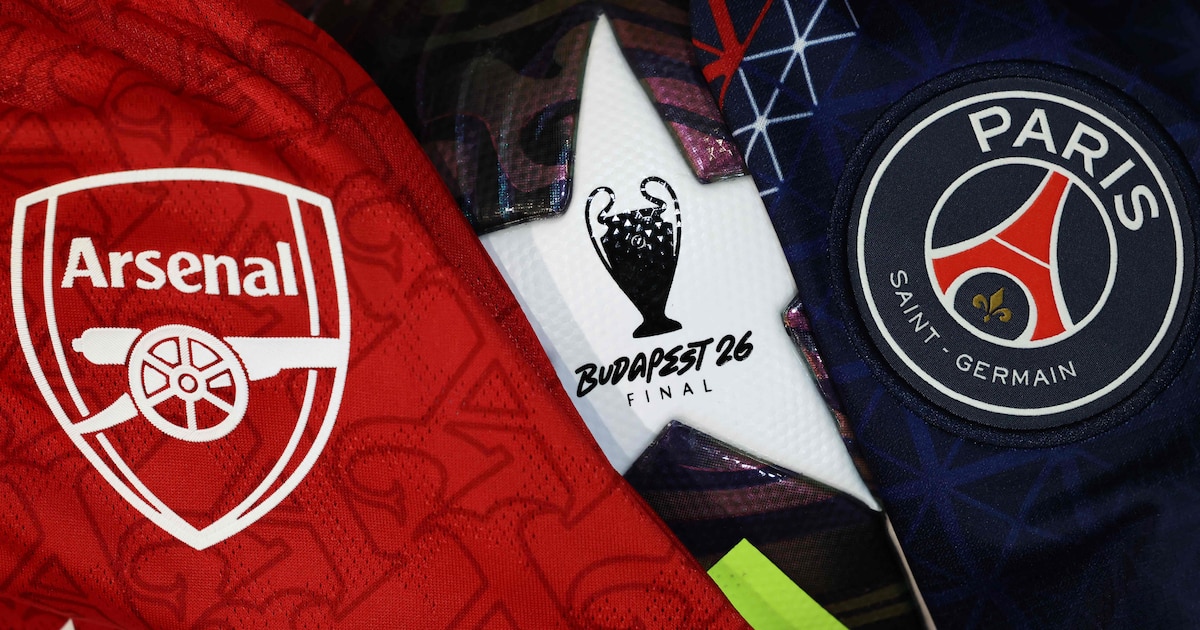
The resale market for major sporting events is reaching unprecedented levels, with the upcoming UEFA Champions League final no exception. As Arsenal and Paris Saint-Germain prepare to face off in Budapest on May 30, tickets are changing hands at staggering prices—some exceeding €115,000 per seat.
Why are prices soaring?
The demand for this high-stakes match is off the charts. Arsenal arrives as English champions, while PSG steps onto the pitch as French champions and defending UEFA Champions League titleholders. With only 18,000 tickets allocated to each club and roughly 31,000 reserved for neutral spectators, partners, and other distribution channels, the supply is severely limited. This imbalance between supply and demand has created a lucrative—and risky—market for resellers and scammers alike.
New tactics in the resale game
Scammers are refining their methods to exploit eager fans. Some revellers are now bundling tickets with smartphones, selling the device along with the entry pass to bypass digital ticketing restrictions. Others are using fake screenshots of mobile tickets, which the UEFA has explicitly warned against. These tactics highlight the growing sophistication of fraudsters in the secondary ticket market.
Social media: a hotspot for fraud
Platforms like X (formerly Twitter) and WhatsApp have become breeding grounds for ticket scams. WhatsApp groups, in particular, operate with a quasi-professional structure, with tickets rarely listed below €2,000. One Parisian supporter, Martin, shared his experience: “WhatsApp groups are surprisingly organized—almost like a legitimate ticketing company. But on X, the risks are much higher. We fell for a scam after transferring money to a seller who vanished once the payment was made.”
UEFA’s digital ticketing: a double-edged sword
The UEFA has implemented strict measures to curb fraud, requiring tickets to be accessed exclusively through its UEFA Mobile Tickets app. Screenshots of mobile tickets are invalid, and the app ties the ticket directly to the device it was downloaded on. Sharing accounts or transferring tickets digitally is prohibited, though scammers have found ways to exploit even this system. As Martin noted, “Some sellers now offer tickets bundled with smartphones, making it nearly impossible to verify authenticity without meeting in person.”
Who’s behind the scams?
The shadowy nature of the resale market raises questions about the individuals or organizations profiting from these schemes. “It’s unclear whether it’s lone operators or organized crime. The thought of where this money is going is unsettling,” Martin admitted. Despite the risks, demand remains insatiable, with many fans willing to take a gamble in the hopes of securing a seat at one of football’s biggest events.
Staying safe in a risky market
For fans determined to attend, caution is paramount. Avoiding transactions on unsecured platforms, verifying seller credentials, and insisting on face-to-face exchanges are critical steps. The UEFA’s warnings about fraudulent practices serve as a reminder: in a market where greed drives deception, vigilance is the only safeguard.