
From detention to dialogue: a turning point in Tchad
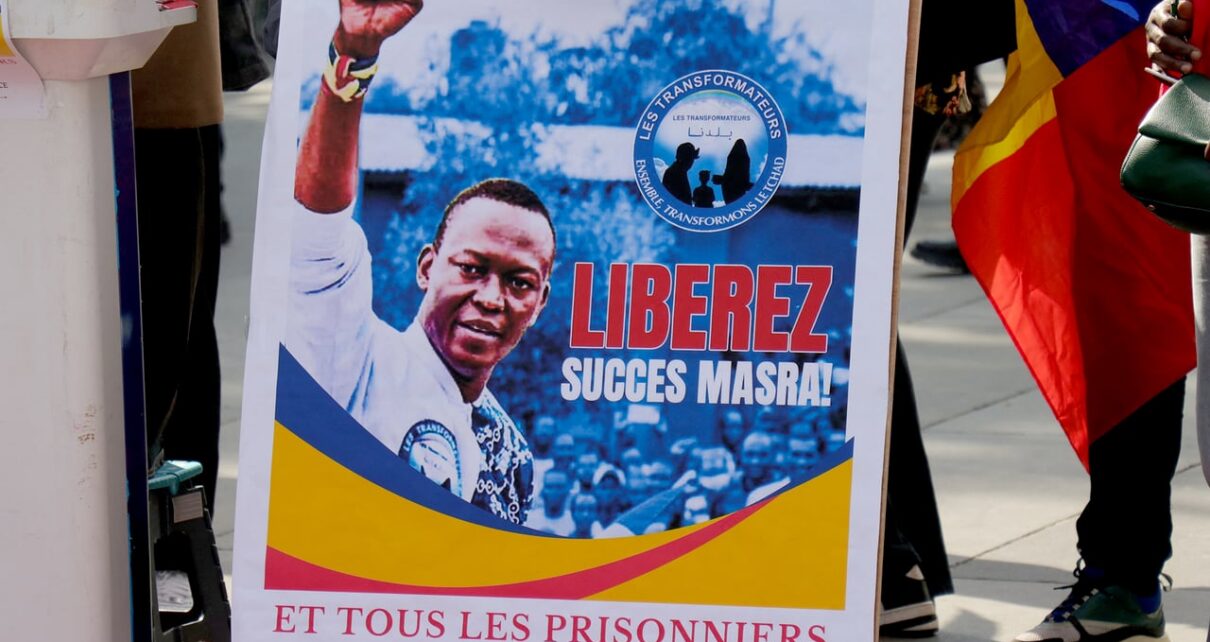
For an entire year, Succès Masra has been held in detention under conditions that have sparked widespread debate. His case has become a focal point in discussions about political freedoms and governance in Tchad. Meanwhile, behind closed doors, intense negotiations have unfolded between his representatives and the transitional authorities led by Mahamat Idriss Déby Itno.
What led to Masra’s imprisonment?
The opposition leader’s detention stems from his vocal criticism of the transitional government and his calls for a return to constitutional order. Masra’s arrest followed a period of heightened tensions during protests that rocked the capital, N’Djamena, in early 2025. The government cited public order concerns as justification for his detention.
Key moments in the crisis
- Protests erupt: Demonstrations erupted in N’Djamena after disputed elections, with opposition figures alleging fraud and demanding transparency.
- Crackdown on dissent: Authorities responded with arrests, including that of Succès Masra, who became a symbol of resistance against the transitional regime.
- International pressure: Human rights organizations and foreign governments have repeatedly called for Masra’s release, citing violations of due process.
The secret negotiations that reshaped the political landscape
As public pressure mounted, reports emerged of discreet talks between Masra’s legal team and the transitional government. These discussions, initially dismissed by many as futile, have gradually gained traction, with both sides exploring potential pathways to resolution.
What are the sticking points?
The negotiations have revolved around several critical issues:
- Conditions for release: Masra’s lawyers insist on guarantees for his safety and freedom, while authorities seek concessions to maintain stability.
- Political reforms: The opposition is pushing for a timeline to restore civilian rule, a demand firmly resisted by the transitional government.
- Accountability: Questions linger over the handling of the protests and the role of security forces, with victims’ families demanding justice.
What’s next for Succès Masra and Tchad?
The outcome of these behind-the-scenes talks could redefine Tchad’s political future. If an agreement is reached, it may pave the way for Masra’s release and a potential easing of tensions. However, the road ahead remains fraught with challenges, as deep divisions persist within both the government and the opposition.
The international community continues to watch closely, with many hoping for a resolution that upholds democratic principles while ensuring stability in a region already grappling with instability.