Street vendors in Chad: economic freedom at a child’s cost
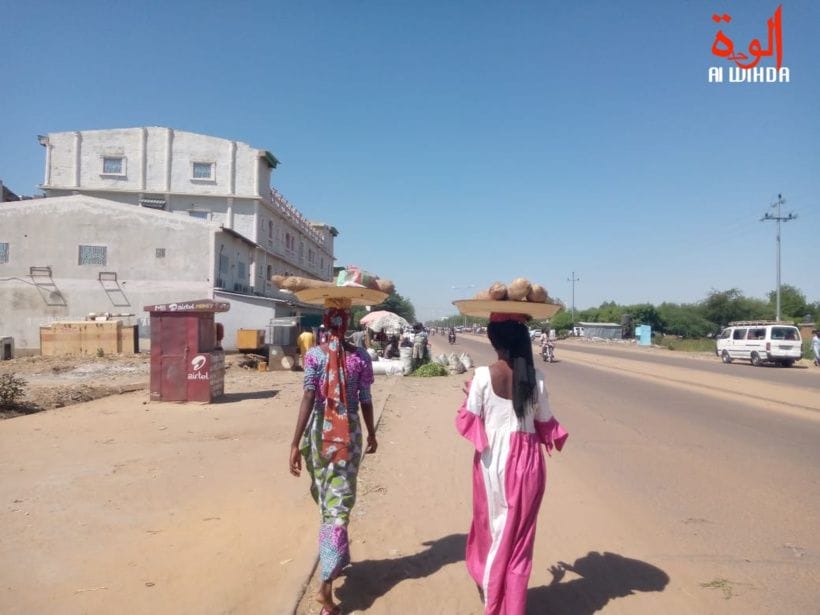
In the heart of Chad’s bustling cities, a striking transformation is unfolding. Women, balancing baskets brimming with fresh mangoes, golden beignets, or vibrant fabrics, weave through crowded alleyways. Their voices rise above the din of motorbikes and haggling crowds, each cry a lifeline in an economy where resilience is currency. From N’Djamena’s sun-scorched boulevards to Moundou’s lively markets and Abéché’s dusty thoroughfares, these women are redefining independence—one step at a time.
Morning light reveals the reality behind the hustle. Aïcha, in her early thirties, navigates the streets with a toddler clinging to her back. She’s sold roasted peanuts since dawn, her gaze fixed on potential buyers. “It’s exhausting,” she admits, handing over a handful of nuts, “but at least I’m the one in charge now.” Nearby, Fanta tends to sizzling flatbreads over a makeshift coal stove, her five-year-old son playing unattended with a scrap of plastic in the dirt. Once confined to household walls, these women now command the pavement, carrying goods, haggling prices, and sustaining families—each transaction a small act of defiance against convention.
When childhood fades into the marketplace
Yet beneath the veneer of determination lies a quieter crisis. Children accompany their mothers into the fray, their youth sacrificed to the grind of survival. Coughing through the acrid smoke of cooking fires, dozing under the weight of oversized sacks, or begging for scraps of shade—these are the silent witnesses to a generation growing up too soon. In Abéché, a seven-year-old boy dragged a bucket of water through the throng, shouting for customers while his mother bartered for millet. Schoolbooks gather dust in homes; the classroom has become a luxury few can afford. Is this the price of progress—women carving out autonomy while children forfeit their futures?
The pattern repeats daily. Mothers rise with the sun, their lives a balancing act of commerce and care. But for every step forward they take, their children stumble in their wake. What future awaits them in the shadow of these makeshift stalls? The answer lingers in the air, heavy with smoke and unspoken questions.