

LOMÉ — On June 9, 2026, Togo’s National Assembly took a decisive step toward modernizing its regulatory framework by unanimously adopting four critical bills aimed at reinforcing nuclear safety and radiological risk management. The landmark vote, conducted during the third plenary session of the first ordinary sitting of the year, positions the country at the forefront of international safety compliance.
Led by Speaker Professor Komi Selom Klassou, the session was attended by Robert Koffi Messan Eklo, Deputy Minister of Energy. Legislators approved in first reading the texts enabling Togo’s accession to four pivotal international conventions: the Nuclear Safety Convention (Vienna, 1994), the Joint Convention on the Safety of Spent Fuel and Radioactive Waste Management (1997), the Convention on Early Notification of a Nuclear Accident (1986), and the Convention on Assistance in the Case of a Nuclear Accident or Radiological Emergency (1986).
Building a robust regulatory shield for future energy
The adoption of these laws underscores a strategic commitment to safeguard public health, environmental integrity, and economic stability. By aligning national legislation with global best practices, Togo is establishing a comprehensive legal foundation to govern scientific applications, mitigate contamination risks, and enforce stringent security protocols across all nuclear-related activities.

Multilateral engagement for real-time crisis readiness
Aklesso Atcholi, leader of the UNIR party, emphasized the dual nature of nuclear technology: a catalyst for progress in electricity generation, healthcare, industry, agriculture, and livestock, while simultaneously demanding uncompromising safety standards. “The benefits of nuclear applications are undeniable, yet their responsible use hinges on rigorous oversight,” he stated. “These conventions provide Togo with access to international support networks and real-time information-sharing mechanisms, ensuring rapid response capabilities in the face of potential crises.”
Echoing this sentiment, Deputy Minister Eklo framed the legislation as a declaration of Togo’s forward-looking yet responsible energy policy. “By ratifying these conventions, we are not merely adopting advanced technology—we are embracing the highest standards of safety,” he asserted. “This sends a clear message to the world: Togo is a modern, reliable, and security-conscious nation.”
Balancing innovation with public safety imperatives
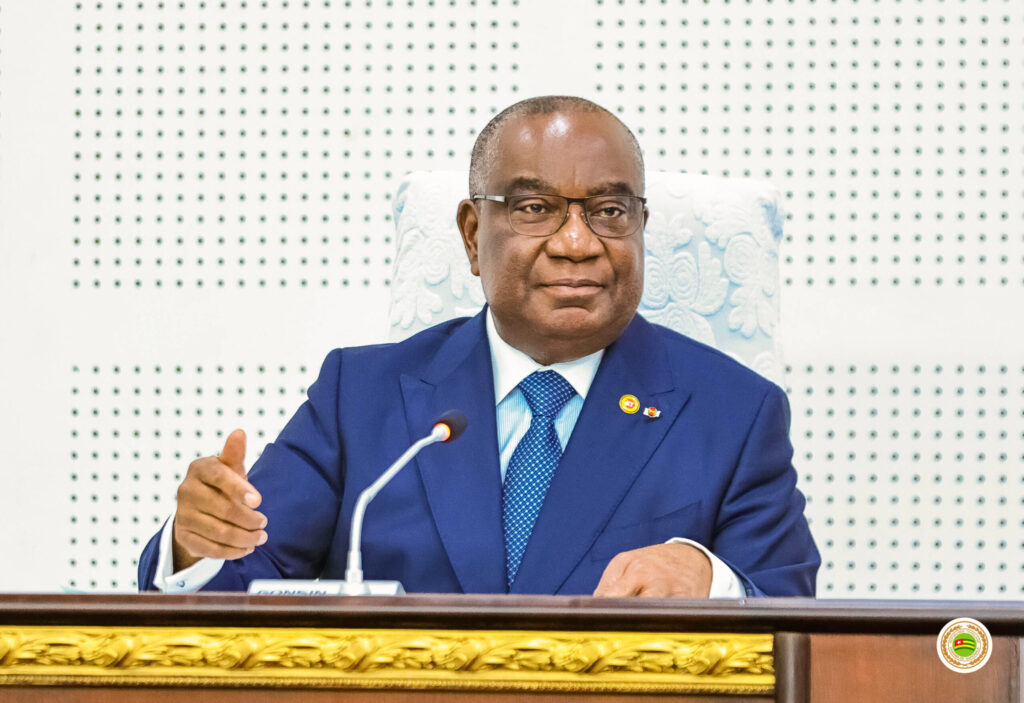
Speaker Professor Klassou framed the reforms as a testament to Togo’s resolve in confronting transboundary threats collaboratively. “Guided by the lessons of Chernobyl’s devastation, we recognize that nuclear risks transcend borders,” he noted. “No nation can afford isolation in the face of such dangers. These conventions reflect our commitment to collective security and peaceful diplomacy.”
Following parliamentary procedure, the four bills will now proceed to the Senate for review in identical terms. Upon final approval and presidential promulgation, Togo will complete a pivotal institutional transformation, intertwining technological advancement with the unyielding protection of its people and environment.