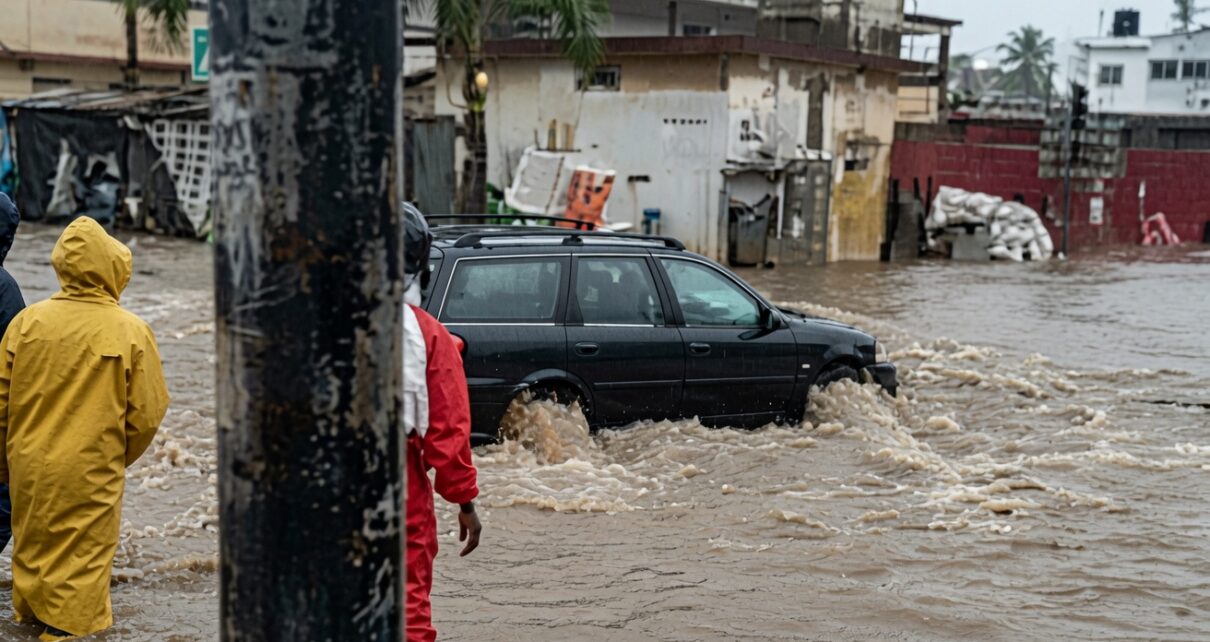
The recurrence of the rainy season in Togo continues to expose structural vulnerabilities, as flooded roads, submerged neighborhoods, and waterlogged homes become an annual ordeal for countless citizens. For many Togolais, these recurring disasters are no longer anomalies but a grim, predictable reality that demands urgent action.
Enduring hardships under decades of governance
The challenges faced by the population have persisted despite over six decades under the same political leadership. While official commitments have been made over the years, tangible improvements remain elusive. Persistent unemployment, rising living costs, entrenched poverty, and limited opportunities—particularly for the youth—continue to define daily life for many households.
Infrastructure failures compounding seasonal crises
The onset of heavy rains also reignites debates over the inadequacy of public infrastructure. In numerous urban and peri-urban areas, drainage systems remain critically underdeveloped, rendering roads impassable at the slightest downpour. The resulting floods not only disrupt lives but also inflict substantial material losses, disproportionately affecting low-income families. Citizens increasingly question the allocation of public funds, arguing that investments have favored narrow elite interests rather than addressing pressing societal needs.
Public discontent and demands for systemic change
Civil society groups and opposition figures have intensified their criticism, asserting that the current system prioritizes the preservation of entrenched power over the welfare of the broader population. Their demands focus on redirecting resources toward job creation, resilient infrastructure, and social protection programs for the most vulnerable. Failure to implement such reforms, they warn, will only deepen existing inequalities and leave communities ill-equipped to withstand recurrent environmental shocks.
A bleak outlook for the foreseeable future
Without decisive interventions, this year’s rainy season is poised to further highlight the shortcomings of existing policies. Urban planning and disaster risk reduction measures remain critically insufficient, suggesting that the burden of these failures will once again fall on the shoulders of ordinary citizens. The growing frustration among the populace underscores a broader sentiment: Togo’s governance model must evolve to meet the evolving needs of its people.