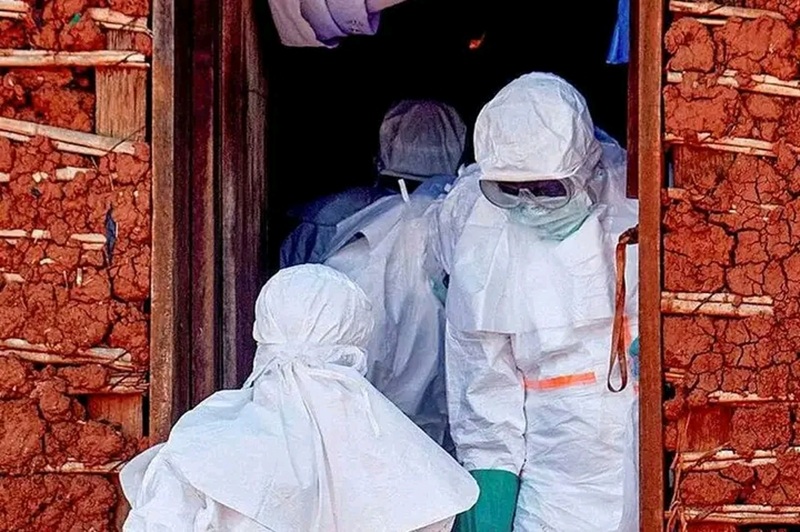
DR Congo launches urgent Ebola containment measures after case detected in France
The Democratic Republic of the Congo (DRC) has escalated its Ebola response strategy following confirmation of a case in France involving a humanitarian doctor who recently worked in a high-risk zone in eastern DRC.
In an official statement, Congolese authorities described the situation as a « serious public health alert » and emphasized their commitment to preventing cross-border transmission. The government framed these measures as a precautionary response aligned with international health security standards.
Mandatory 21-day isolation for travelers from Ebola-affected zones
As part of the new directive, all individuals arriving from Ebola-affected regions must undergo a strict 21-day quarantine period—the maximum incubation period for the virus. This rule applies to both domestic and international travelers.
Health officials explained that the measure aims to « eliminate silent transmission chains » and improve monitoring of asymptomatic or pre-symptomatic cases. Authorities stressed that global mobility patterns could otherwise accelerate the spread of highly contagious diseases.
French case raises concerns over asymptomatic transmission
The DRC’s response follows reports from French health authorities confirming an Ebola infection in a doctor who recently worked in Ituri Province before traveling to Kinshasa and later to France. The patient was immediately isolated upon detection, and contact tracing efforts were launched.
Investigators noted that the doctor exhibited no symptoms during travel from Ituri to Kinshasa, highlighting the challenges of identifying cases in their early stages despite border screening protocols. French authorities activated emergency protocols and are monitoring the situation closely, though they currently assess the risk to the general public as « low but under observation. »
Enhanced cross-border cooperation between DRC and France
In a show of transparency, the DRC government confirmed it had formally shared travel and medical data with French authorities to trace potential contacts within Congolese territory. This collaboration aligns with the International Health Regulations (IHR), which require states to cooperate when facing cross-border health threats.
Kinshasa emphasized the need for rapid, structured information exchange to prevent secondary transmission. The government is also working with local leaders, media, and civil society to reinforce community-based surveillance and public awareness campaigns.
Strengthened national response and community mobilization
Within the DRC, health teams are intensifying efforts in Ebola-affected zones like Ituri, focusing on community surveillance, suspect case management, and public education on symptoms and prevention. Enhanced screening measures are being implemented at strategic transit points, including airports and major transport hubs, to curb uncontrolled movement.
Health authorities are urging community leaders and citizens to support these efforts by promptly reporting suspected cases and avoiding stigma against those infected. The government has called for collective vigilance to maintain public trust and cooperation in detecting and isolating cases early.
While the World Health Organization continues to monitor the situation, the DRC remains on high alert, combining strict measures, international cooperation, and community engagement to prevent further spread and contain the outbreak before it crosses borders.