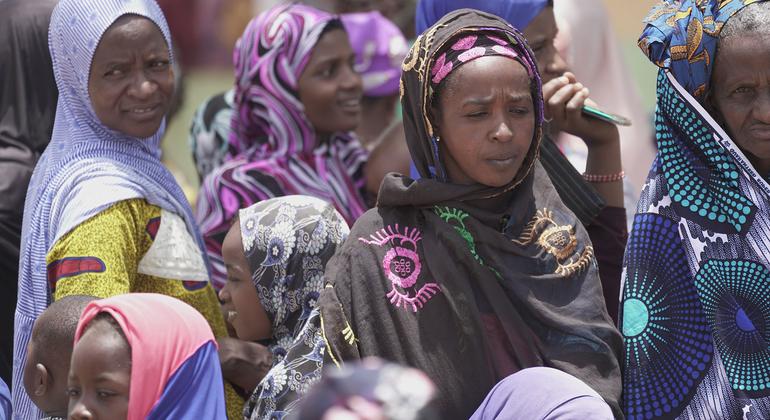
The Fulani community in Burkina Faso faces widespread human rights violations, according to independent United Nations investigators. Reports of extrajudicial killings, torture, arbitrary detentions, abductions, and forced disappearances have surged amid military and security operations targeting jihadist groups in the Sahel region, revealing a deeply repressive and targeted climate of violence.
UN experts sound alarm over targeted abuses
The United Nations Committee on the Elimination of Racial Discrimination has expressed grave concern over the severe abuses against Fulani people in Burkina Faso. These violations, the Committee warns, are often carried out by national armed forces, internal security units, and their auxiliaries—including the Volunteers for the Defense of the Homeland (VDP)—as well as non-state armed groups.
Experts have also highlighted the disturbing rise of ethnic profiling targeting Fulani individuals by defense and security forces, VDP units, and members of the Civic Brigade for Order and Discipline (known locally as “Brigade Laabal”). The Committee has raised alarms that these human rights violations are frequently justified by alleged associations with terrorist organizations.
Hate speech and systemic discrimination fuel violence
This stigmatization has fostered a dangerous climate of hatred and discriminatory rhetoric, leading to violent rhetoric and calls for criminal acts against Fulani people—particularly on social media. The Committee has condemned the proliferation of such messages, which have openly incited violence, including murder, against Fulani individuals, exacerbating ethnic tensions and hate crimes in the region.
The alarming rise of hate speech underscores the urgent need for government intervention to prevent further atrocities.
The UN body has urgently called on Burkina Faso’s authorities to launch immediate, thorough, and impartial investigations into all allegations of abuse involving defense and security forces and their auxiliaries. It demands that perpetrators be held accountable through fair trials and appropriate sanctions.
Beyond punitive measures, the Committee has emphasized the necessity of legal and preventive actions to combat ethnic and racial discrimination. It urges Burkina Faso to explicitly criminalize racial and ethnic profiling within its legal framework, ensuring alignment with international human rights standards. Additionally, the Committee has recommended the implementation of binding operational guidelines for police and law enforcement to prevent profiling during identity checks, public order interventions, and military-security operations.
Burkina Faso disputes allegations of systemic abuse
The release of the Committee’s findings coincides with Burkina Faso’s vigorous defense against accusations, asserting that its security operations comply with the law and do not target any specific community.
According to Burkina Faso’s Permanent Representative to the United Nations Office in Geneva, the country’s counterterrorism efforts are conducted in full compliance with national and international human rights laws. “The fight against terrorism is not directed at any community,” declared Ambassador Sabine Bakyono Kanzie. “It is carried out with strict respect for human rights obligations.”
The Burkinabe delegation also contested claims of ethnic profiling, arguing that such allegations do not reflect reality. It highlighted the existence of complaint mechanisms, community policing initiatives, and training programs designed to prevent stigmatization. The government further emphasized the diversity within its security forces and state institutions, including representation from the Fulani community, as evidence of its commitment to inclusivity.