un warns of severe human rights crisis in eastern democratic republic of Congo
The eastern regions of the Democratic Republic of Congo (DRC) are facing an unprecedented human rights crisis, according to a stark warning from the United Nations Independent Investigation Commission.
alarming reports of civilian violence and systemic abuses
During its first update to the UN Human Rights Council in Geneva, the Commission outlined a deteriorating security environment in South Kivu and North Kivu. The situation is characterized by mass displacements, collapsing public institutions, and a tangled web of regional conflicts.
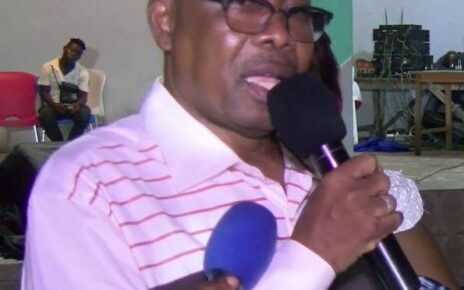
«The evidence we’ve gathered paints a picture of exceptional gravity,» stated Arnauld Akodjenou, chair of the Commission.
documented atrocities against civilians
Investigators have uncovered severe violations, including conflict-related sexual violence, cases of sexual slavery, illegal killings, arbitrary arrests, and the forced recruitment of adults and children. Schools and healthcare facilities have also been deliberately targeted, further destabilizing already vulnerable communities.
«We’ve heard harrowing accounts of sexual violence, particularly affecting children,» Akodjenou emphasized.
vulnerable populations left without protection
Civilian populations, especially internally displaced persons, women, children, and marginalized groups, are bearing the brunt of the violence. The crisis is compounded by restricted humanitarian access and reports of detainees subjected to inhumane treatment in facilities failing to meet basic legal standards.
«No individual or group should face retaliation for cooperating with UN mechanisms,» warned Commissioner Clément Voule.
preliminary investigations reveal a complex emergency
Established by the UN Human Rights Council, the Commission is investigating alleged violations of international humanitarian law and human rights in eastern DRC. Its findings remain preliminary, with investigators conducting over 50 online consultations and 30 in-person meetings with stakeholders, including victims, civil society groups, government representatives, and international partners.
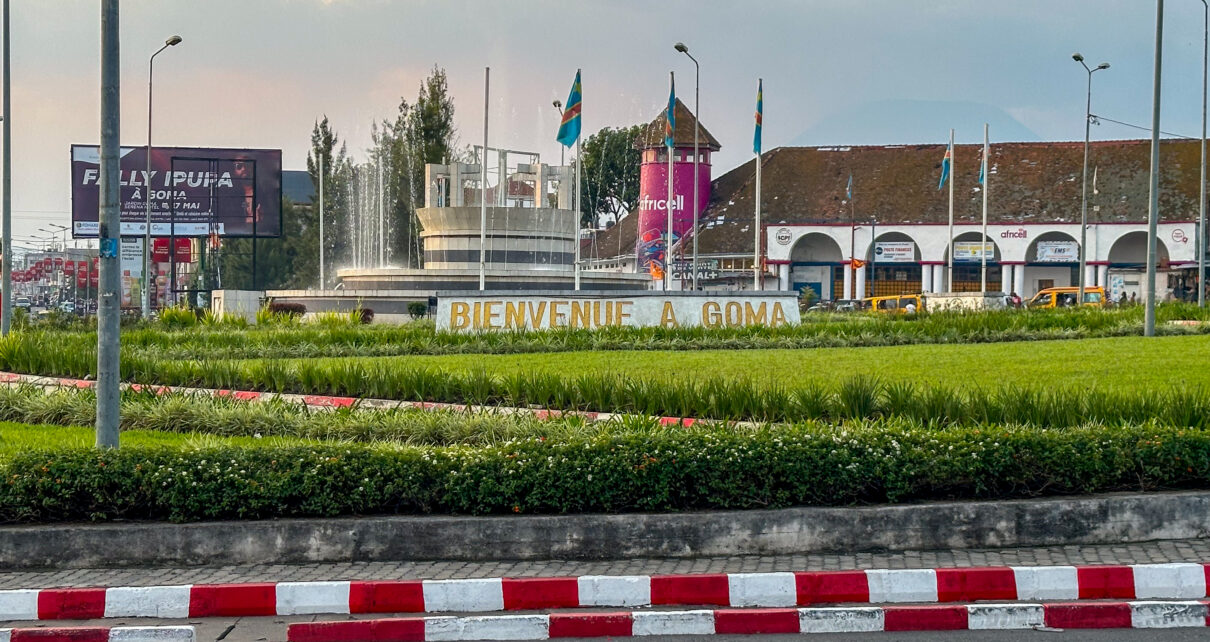
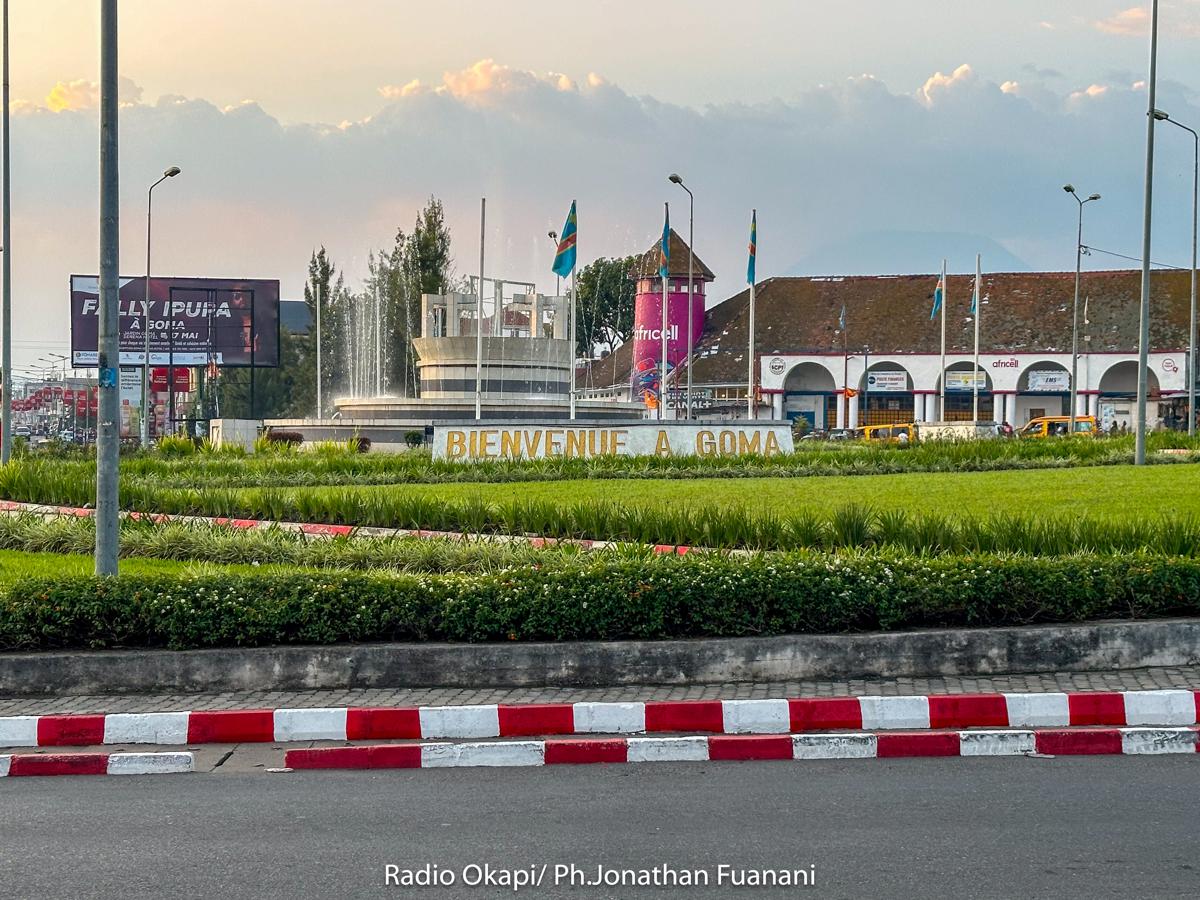
In early June, the team visited Kinshasa, meeting with 35 civil society organizations. However, security constraints have so far prevented access to Goma and other affected areas, though such visits are planned as conditions permit.
a multidimensional crisis gripping the region
Beyond violence, the Commission highlights a multi-faceted emergency impacting security, health, governance, education, and the economy. The crisis is deepened by ongoing clashes, mass displacements, and health risks, including Ebola outbreaks.
The UN body urges all conflict parties to ensure unhindered humanitarian access, prioritizing the most vulnerable groups.
urgent call for accountability and action
The Commission stresses the need to center victims in efforts to combat impunity and calls on national authorities and the international community to act swiftly. Key recommendations include:
- Securing humanitarian corridors to protect civilians;
- Shielding human rights defenders and local monitors from reprisals;
- Supporting independent and credible investigations.
«The suffering we’ve documented demands more than concern—it requires rigorous inquiry and unwavering international commitment,» Akodjenou concluded.
The Commission reaffirms its dedication to conducting impartial and thorough investigations to establish facts and advance justice, in response to the urgent expectations of victims.