Ebola outbreak in DRC escalates with over 1,200 cases reported
In the Democratic Republic of Congo (DRC), the Ebola virus outbreak continues to expand, with 1,203 confirmed cases and 321 fatalities documented since mid-May. The latest health bulletin highlights the severity of the situation, particularly in regions where the virus has taken hold.
The outbreak, caused by the Bundibugyo strain, has now spread across 34 health zones in the provinces of Ituri—which remains the epicenter—North Kivu, and South Kivu. While 148 patients have recovered, 419 individuals remain under medical care or in isolation, underscoring the persistent challenge of containment.
Key obstacles hindering the response
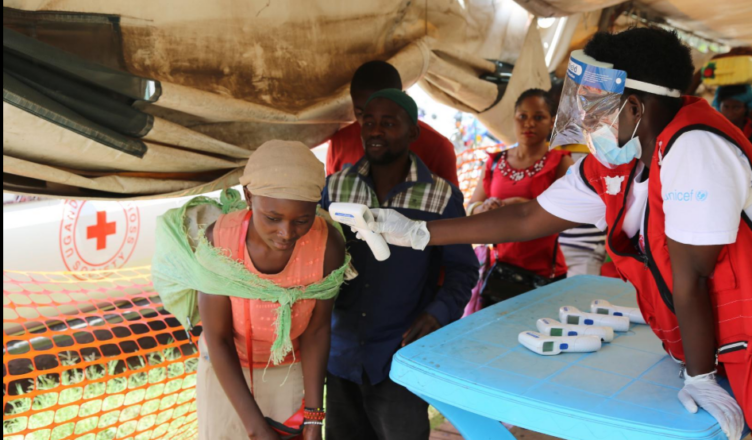
The health ministry has identified several critical barriers to effective intervention. These include community resistance to post-mortem testing, limited healthcare infrastructure in Ituri, and a contact tracing rate below the 95% target. Authorities are urging the public to report suspected cases immediately, adhere to hygiene protocols, and avoid handling deceased individuals to curb further transmission.
International collaboration ramps up
Global health partners, including the Africa Centres for Disease Control and Prevention (Africa CDC) and the World Health Organization (WHO), are scaling up coordinated efforts to combat the outbreak. Jean Kaseya, Director-General of Africa CDC, emphasized the importance of a unified approach involving European and Congolese health authorities, as well as French support teams.
Tedros Adhanom Ghebreyesus, WHO Director-General, highlighted how armed conflict exacerbates the crisis by restricting access to affected areas, disrupting contact tracing, and fostering distrust among populations. This volatile environment complicates containment and increases the risk of further spread.
Africa CDC launches continental support team
In response to these challenges, Africa CDC, in partnership with the WHO Regional Office for Africa and the Ugandan government, has established a Joint Continental Incident Management Support Team (IMST). Headquartered at Makerere University in Uganda, this initiative aims to enhance coordination, technical assistance, and cross-border cooperation for the DRC, Uganda, and neighboring countries at risk.
The IMST represents a strategic move to bolster Africa’s preparedness and emergency response capabilities through state-led, collaborative action. By leveraging regional expertise and resources, the team seeks to strengthen resilience against future health threats.