The national landscaping initiative in Burkina Faso is turning urban centers green, with plans to create 80 new green spaces, 60 landscaped roundabouts, and 65 kilometers of tree-lined roads. These efforts aim to redefine the aesthetic and livability of Burkinabè cities, transforming dusty, heat-stricken areas into vibrant, breathable environments.
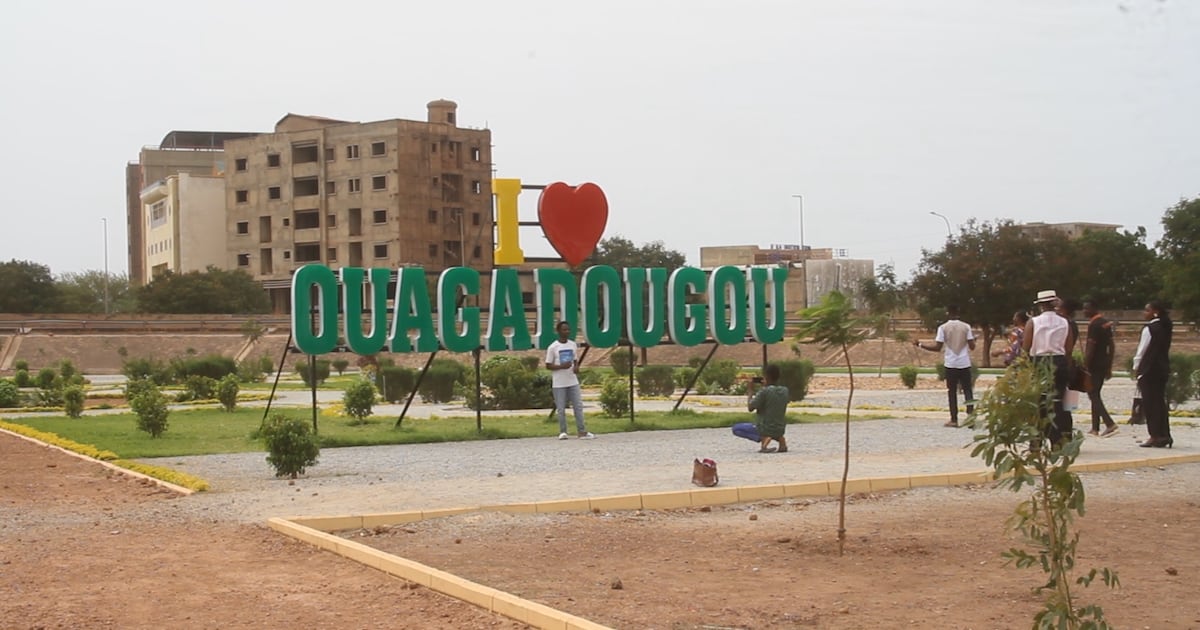
In cities like Ouagadougou, where scorching temperatures and dusty landscapes dominate, these green transformations are already making a tangible difference. For instance, the newly landscaped green space near the Ouaga 2000 interchange has become a refreshing oasis for residents and visitors alike. For Dr. Ines Bationo, a Burkinabè expat living in Senegal, the sight of these spaces was nothing short of inspiring. “I couldn’t believe how thrilled I was to see these areas developed. As someone who lives abroad, it was a delight to return and find such beautiful spaces waiting for me,” she shared during her visit.
Local leaders and residents echo her enthusiasm. Mahamadi Ouedraogo, a community organizer, highlights the environmental shift: “Before, this was just bare red earth with nothing special. Now, it’s beautiful, and a cool microclimate has formed—exactly what we need. Even in a Sahelian country like ours, when extreme heat strikes, ecological awareness must take priority.”
Scientific research backs these observations. Studies worldwide confirm that urban greening significantly cools cities. Street trees and green infrastructure can lower average urban temperatures by up to 2°C, mitigating the health risks of heatwaves. Under tree cover, maximum temperatures can drop by as much as 4°C compared to open areas.
Beyond climate benefits, these green spaces foster social cohesion and civic pride. They serve as gathering spots for relaxation, recreation, and community bonding, helping residents forge stronger connections with their cities.
However, the success of this initiative hinges on long-term sustainability. Planting trees is just the first step; maintaining them over time is crucial. Lassané Sawadogo, a civil society advocate, emphasizes the need for structured access and funding: “After development, clear regulations must be set to allow municipal and environmental authorities to generate revenue and sustain these spaces.”
Visitors like Sidoine Nakanabo are already feeling the positive impact. “We’re thrilled—this is a perfect place to unwind and even boosts tourism in Burkina Faso,” she noted.
Through this bold initiative, Burkina Faso is sending a powerful message: a modern city thrives not just on infrastructure but on nature, shade, and spaces where people can breathe and reconnect.