Why Serie A’s cardiac exams blocked Khalaili’s Inter Milan transfer
Anan Khalaili’s medical exams revealed concerns that halted his Inter Milan deal. We explain why Italian football enforces stricter cardiac assessments than other leagues.
- July 13, 2026

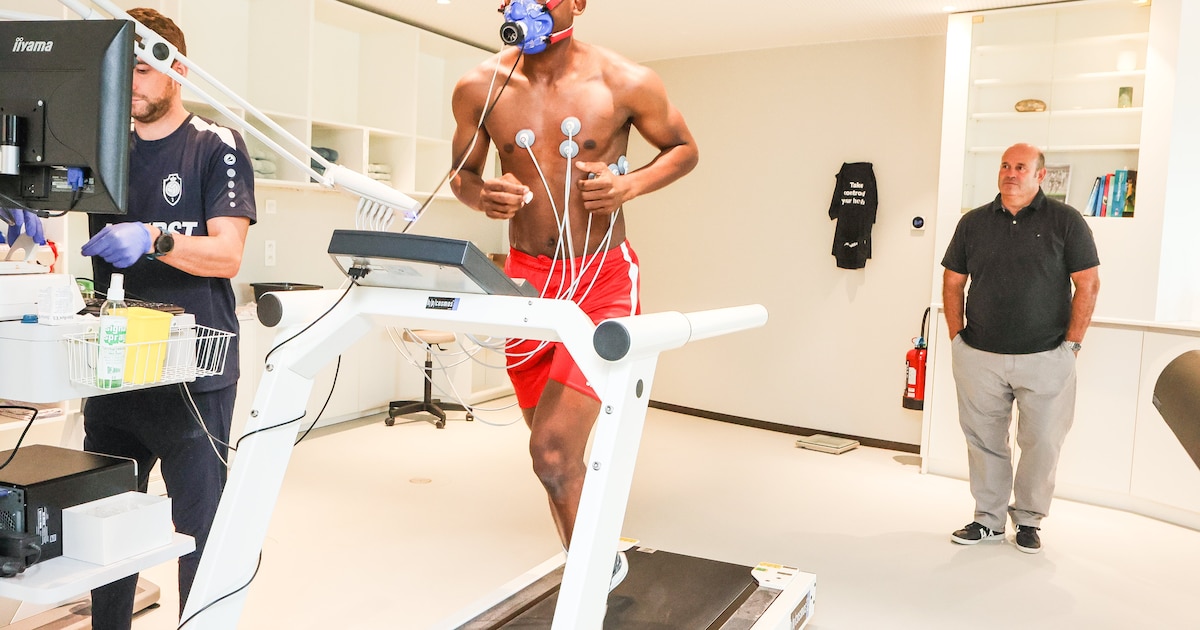
Anan Khalaili’s medical exams for a potential transfer to Inter Milan took an unexpected turn this week. After passing initial tests, the Union Saint-Gilloise midfielder underwent advanced cardiac evaluations at Milan’s Humanitas Hospital. The results were not favorable, blocking the move. While exact medical details remain undisclosed, Italian football’s rigorous cardiac screening protocols are well-documented. This raises questions about why Serie A’s rules are stricter than those in other European leagues—and how they could benefit Khalaili elsewhere.
The strict framework behind Serie A’s medical exams
Italian football follows a precise medical protocol before any player contract is finalized. Athletes must undergo exams at accredited sports medicine centers. If any red flags emerge—especially regarding cardiac health—specialists conduct deeper analyses. The final verdict, however, isn’t left to clubs or players. An independent body determines eligibility, leaving no room for negotiation.
This system dates back to 1982, when Italy’s Ministry of Health designated specialized centers for high-level athletes. A 1995 decree further tightened rules, mandating advanced echocardiography and stress tests. “Our protocol may be debated, but it’s a matter of ethics,” explains Paolo Zeppilli, former sports medicine professor and cardiologist for the Italian Football Federation. “We cannot risk an athlete’s life on the field. Other leagues should adopt stricter measures.”
Why Italian football prioritizes cardiac safety
Two high-profile cases highlight the system’s rationale. Edoardo Bove, an Italian midfielder, suffered a cardiac arrest during a Serie A match in 2022 and received a defibrillator. Cristian Eriksen, the Danish star, experienced a similar incident during Euro 2021. Both players were barred from Serie A but later resumed their careers in leagues with less stringent rules—though Eriksen faced another cardiac episode in 2024.
Italian football’s approach prioritizes long-term player safety over short-term sporting gains. While clubs may face setbacks, the league’s strict medical standards reinforce its reputation for caution and professionalism.