Chad flatly denies involvement in the alleged Niger strike
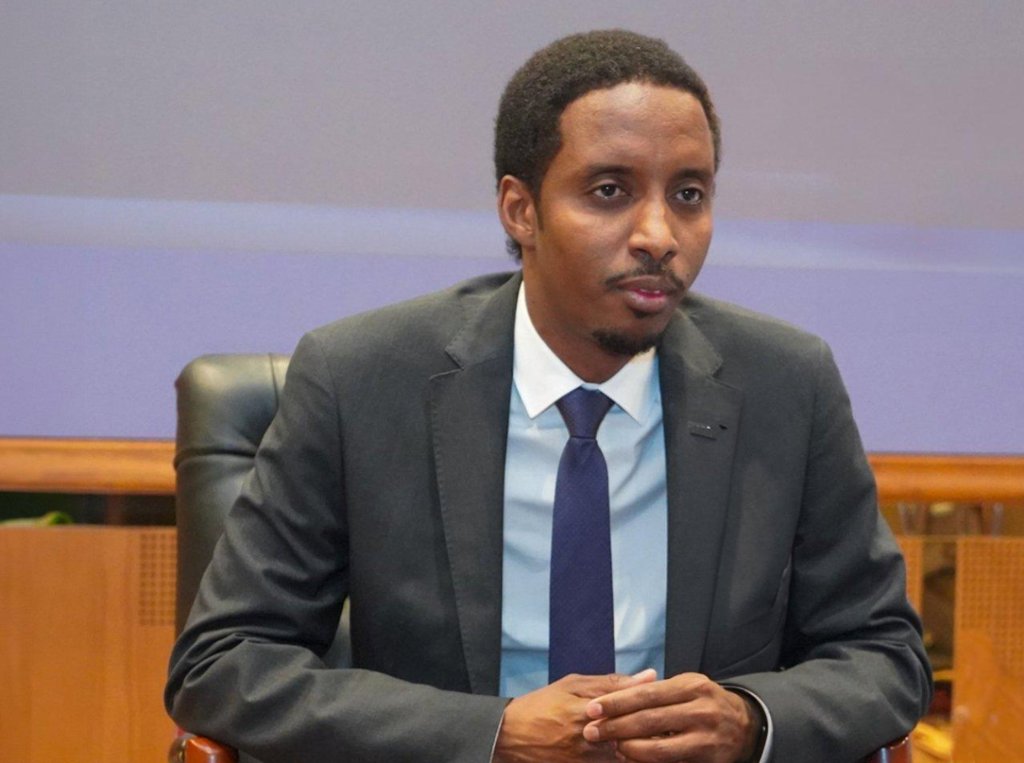
In a robust response, the Chadian government has categorically rejected claims that it was involved in, directed, or supported a strike against Niger. Through its government spokesperson, Minister Gassim Chérif Mahamat, N’Djamena is demanding that Niamey present the evidence backing its accusations and is calling for full transparency. Chadian authorities maintain that grave allegations of this nature must be substantiated by verifiable facts rather than unverified statements.
The minister’s statement leaves no room for doubt: Chad categorically denies participation in any such operation. This firm denial seeks to dispel any ambiguity surrounding N’Djamena’s official stance, particularly as bilateral relations face heightened security challenges.
N’Djamena demands verifiable evidence of the strike
Chadian officials argue that accusations against a sovereign state must be based on concrete, publicly accessible evidence. Minister Gassim Chérif Mahamat insists that Nigerien authorities must disclose the material and technical elements they claim to possess so that these can be independently assessed.
The demand focuses on the nature, reliability, and scope of the evidence presented. N’Djamena seeks a rigorous examination of the alleged facts rather than allowing unverified accusations to fuel tensions between the two countries.
At present, the specifics of the evidence cited by Nigerien authorities remain undisclosed in available reports, making it impossible to evaluate their credibility. Public disclosure of this information would clarify the circumstances of the alleged incident and determine whether the accusations are grounded in established facts. Until then, the Chadian government maintains its denial and contests the allegations levelled against it.
Cross-border rebel groups: the unaddressed security concern
N’Djamena has also highlighted a long-standing security issue it claims to have raised repeatedly with Niamey over the past four years: the presence of armed Chadian rebel groups operating from Nigerien territory.
According to Chadian authorities, these repeated warnings were intended to alert Nigerien officials to the activities of groups that could threaten regional stability. This issue is seen as a key factor in understanding the broader security dynamics between the two neighbours.
By recalling these prior communications, N’Djamena appears to place the current accusations within a wider context shaped by transboundary security challenges. However, it remains essential to distinguish between official statements and independently verified facts. Just as the allegations against Chad require scrutiny, the claims about rebel groups must also be substantiated with evidence to assess their validity.
Preventing an escalation between two neighbours
This dispute goes beyond verbal confrontations and raises critical questions about how security disputes between Chad and Niger are managed. In a region where armed threats and cross-border movements pose significant risks, the circulation of unverified accusations can strain bilateral relations and undermine mutual trust.
Clarifying the facts is therefore a priority. Publishing the elements referenced by Niamey would allow for an objective review of the accusations, while direct dialogue between the two governments could help prevent further deterioration in their relations.
Chad’s position is now clear: no involvement in the alleged strike, a call for public proof, and a reminder of long-standing security concerns. Whether Nigerien authorities will meet the demand for transparency—and whether the two governments can prioritise the establishment of facts over diplomatic escalation—remains to be seen. The strength of the evidence and the willingness to engage in constructive dialogue will be crucial in resolving the uncertainty and preserving their bilateral relationship.