
world cup 2026: Algeria vs Austria match raises controversy over sportsmanship

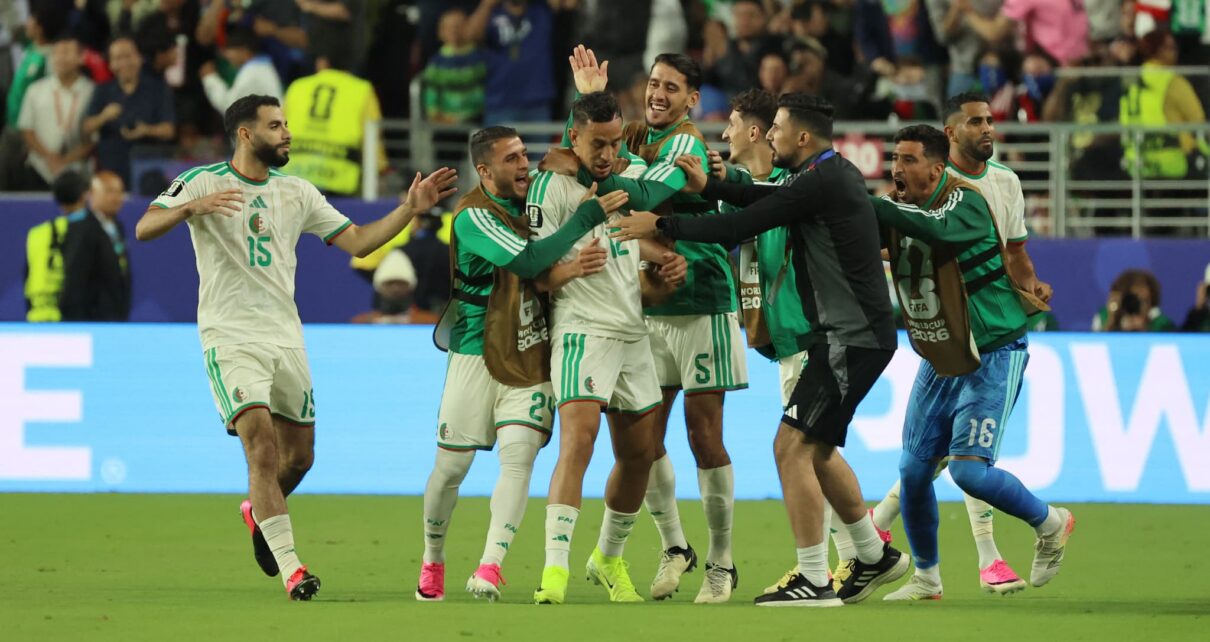
The phrase “irony of history” often feels like an understatement when looking back at past World Cup controversies. Decades after the infamous “Match of Shame” in 1982 between Algeria and West Germany, history seems determined to repeat itself—this time with Algeria facing Austria in a critical group finale. In 1982, the final group games weren’t played simultaneously, allowing Austria and West Germany to calculate their path to the next round at Algeria’s expense. The outcome? A perfunctory 1-0 win for West Germany, with both teams effectively conceding the contest.
Fast forward to 2026, and the dynamics have shifted—but not necessarily for the better. With the expansion to 48 teams and the introduction of eight best third-placed teams advancing, the tactical calculations for this final group clash between Algeria and Austria are as intricate as they are decisive. This match will determine which team finishes second (and faces Spain in the Round of 16) or third (potentially facing Switzerland if they top their group).
As it stands, Austria occupies second place in Group F with three points and zero goal difference, while Algeria sits third with a goal difference of -2. For either side to advance, they’ll need at least three points and a non-negative goal difference. A draw would secure their progress, but neither team can afford a loss. There’s a slim scenario where Austria could advance with a narrow defeat—if Congo fails to win and Croatia loses to Ghana—but the odds remain slim.
Rangnick: “We’ll see in the final minutes”
So why would either team risk defeat? The answer lies in the tournament’s expanded format. Finishing third might actually be preferable to second in this scenario: second place means facing Spain (a tournament favorite), while third place could mean a matchup against a group winner like Switzerland. However, recent results suggest this calculation may no longer hold—advancing as a runner-up now seems the only viable path, though Austria will know the outcomes of other groups before kickoff.
A draw, meanwhile, would benefit both teams, granting them four points and a guaranteed spot in the next round. This exact scenario unfolded earlier in the tournament during Paraguay’s 0-0 draw with Australia, as Austrian coach Ralf Rangnick pointed out in a press conference. “We saw what happened with Paraguay and Australia—where a draw was enough for both teams,” he noted, though he dismissed the idea of playing for a draw from the outset. “But we can’t enter this match saying we’re going to play for a draw. We’re in the same position as Algeria—we’ll assess the situation in the final minutes.”
Algerian manager Vladimir Petković echoed a similar stance: “We must give everything on the pitch. Our sole focus is victory—no calculations, no strategies beyond winning.”