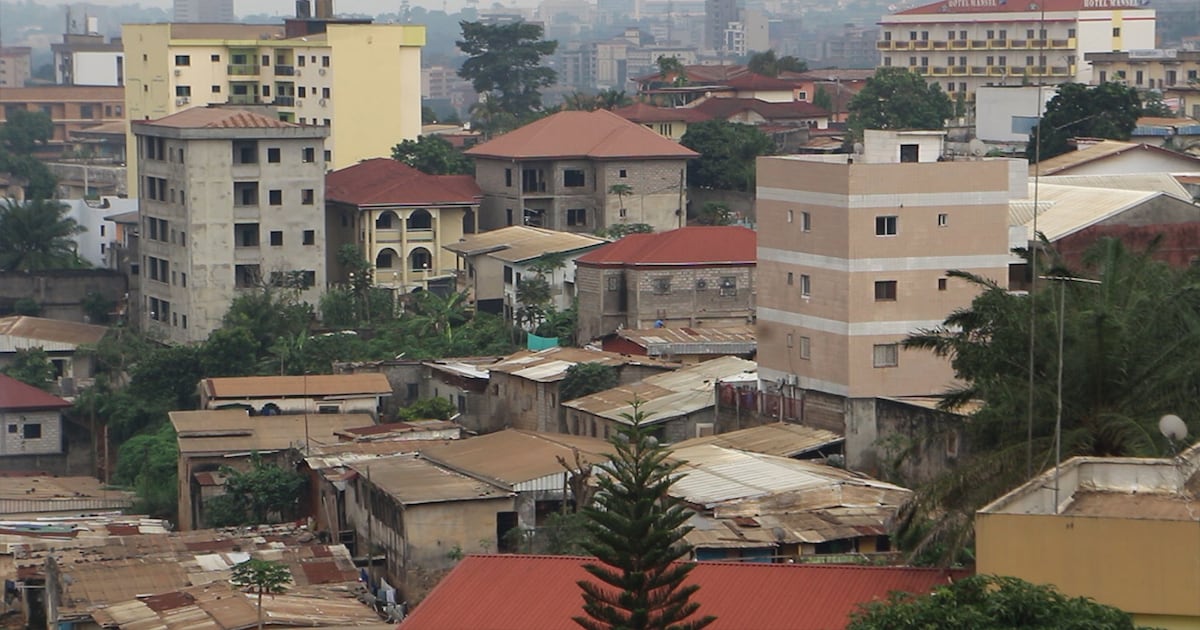
For a native of Yaoundé, the capital of Cameroon, the city’s transformation over two decades is a source of pride. « Yaoundé is no longer the place I knew as a child, » recalls Mbarga Obama, now in his nineties. « The skyline has shifted dramatically, with modern infrastructure reshaping the heart of what was once a modest village. Yet, what excites me most is how the city has expanded far beyond its traditional seven hills, embracing new horizons. »
The urban landscape of Yaoundé has undergone a remarkable metamorphosis. In the past, the city’s core was confined to the Atemengué plateau, with only limited growth toward neighborhoods like Mokolo and Nlong-Kak. The surrounding areas remained semi-rural, a sharp contrast to today’s bustling metropolis. « The city has grown at an unprecedented pace, » Mbarga Obama observes. « Thousands of people flock to Yaoundé each year, drawn by opportunities and amenities. This migration has blurred the lines between urban and rural, with neighboring towns now integral parts of the capital. »
This sprawling expansion has sparked debates among urban planners, including Blaise Feugang, a regional representative from the Ministry of Housing and Urban Development. « Yaoundé’s rapid growth demands a shift in construction strategies, » he argues. « Vertical development is not just a necessity—it’s a smarter approach. Buildings that rise upward conserve space, reduce infrastructure costs, and enhance the city’s aesthetic appeal. Tall, well-designed structures can transform Yaoundé into a modern, globally competitive capital. »
Experts agree that to meet international standards, Cameroon must rethink its urban planning priorities. The current focus on horizontal expansion strains resources and limits efficiency. A more strategic approach could improve living conditions for families and create a more sustainable, attractive capital for residents and visitors alike.