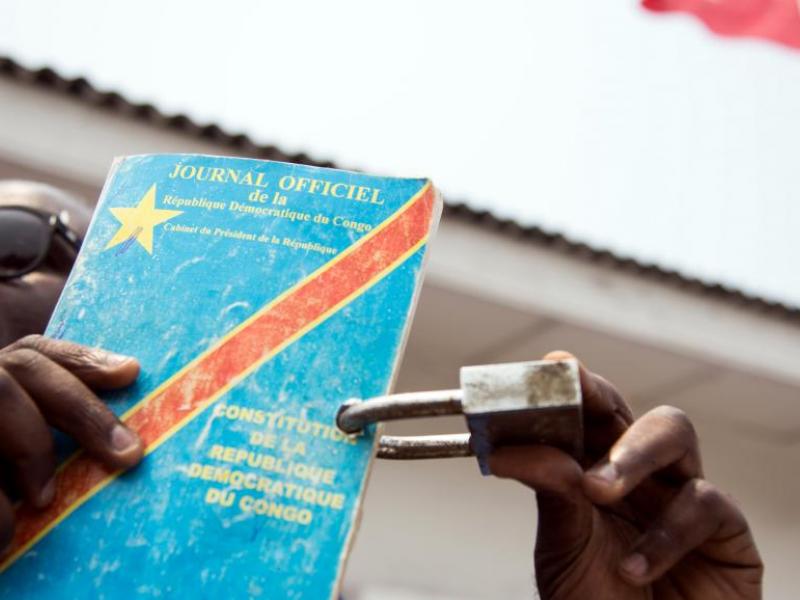
A coalition of young activists in Kinshasa has publicly outlined the prerequisites for any constitutional reform in the Democratic Republic of Congo (DRC), emphasizing that the process must meet three critical conditions before gaining their support.
The group, known as the Nouvelle Génération Congolaise, held a press conference on June 2 to address the ongoing political debate surrounding potential changes to the country’s constitution. Their stance reflects growing public scrutiny of leadership decisions amid widespread concerns about governance and transparency.
three non-negotiable conditions for constitutional reform
The activists presented a clear framework for evaluating constitutional reform, stressing that it must be: demonstrably necessary, supported by a broad national consensus, and implemented in a peaceful political climate.
Mukenge Totoro, spokesperson for the group, highlighted the importance of asking the right questions before proceeding with any changes. He stated,
“Before taking a stance for or against constitutional reform, we must demand concrete answers: Why change the Constitution now? What specific problems does it aim to solve? How will this reform tangibly improve the lives of Congolese citizens? Who stands to benefit most—the nation or certain political actors? Can we ensure this reform strengthens democracy rather than serving private interests? Without transparent and convincing responses to these questions, the debate will only deepen distrust and division.”
The group also criticized the political landscape, where tensions between the majority and opposition factions often overshadow national priorities. They called on young people to reject being used as mere political tools and instead advocate for meaningful reflection, constructive proposals, and active civic participation.
rejecting political manipulation and embracing constructive dialogue
In response to the opposition-led “ville morte” (dead city) protest in Kinshasa, the activists acknowledged the right to peaceful protest but urged all parties to prioritize dialogue over confrontation. They emphasized that the DRC requires both an opposition that proposes solutions and one that challenges the status quo—but always through dialogue, ideas, and progressive reforms.
The group’s demands come at a time when political tensions in the DRC are running high, with critics accusing the government of attempting to alter the constitution to extend presidential term limits. The activists’ position underscores the growing role of youth in shaping the nation’s political future and their insistence on accountability and transparency in governance.