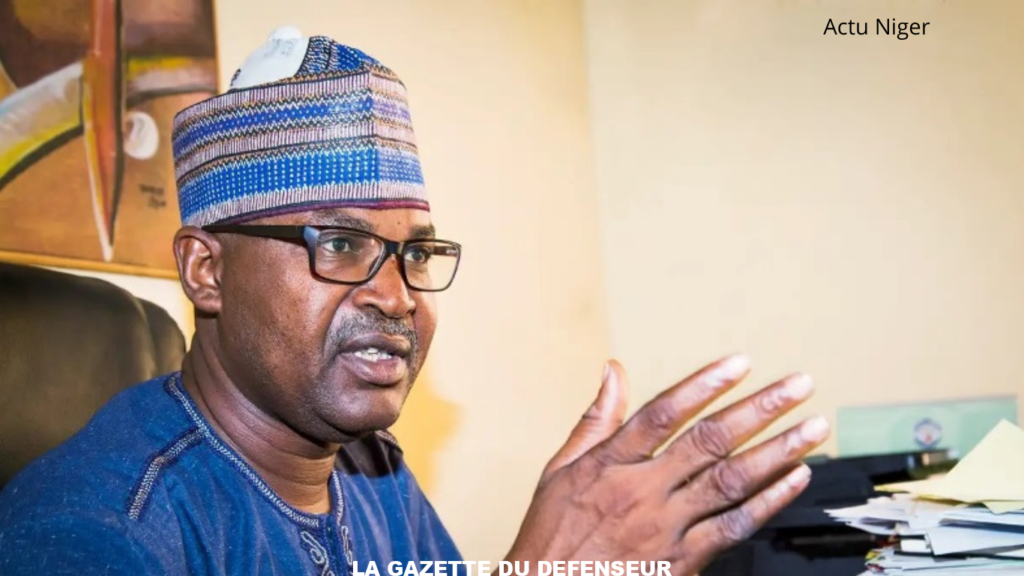
Nigerian activist Nassirou Bodo was remanded in custody at Niamey’s central prison following a court appearance, according to local reports. The detention follows a police questioning session, though the specific charges remain undisclosed at this stage.
Civil society leader Kaka Touda confirmed the arrest on social media, calling for transparency regarding the circumstances of Bodo’s detention. Earlier this week, Bodo had posted a call to action urging Nigeriens to protest against what he described as systemic state violence, including forced evictions and ongoing insecurity in multiple regions.
The activist’s statement, issued on June 1, called for year-long demonstrations targeting what he termed the « unjustified violence » perpetrated by authorities. Among the grievances cited were the demolition of homes near Niamey’s airport, a move authorities claim is necessary to mitigate « terrorist threats » following the January 29 attack claimed by the Islamic State in the Sahel (EIS).
Local press reported that Bodo faces prosecution for « spreading information likely to disrupt public order », though no further details have been made public. His arrest marks another escalation in a broader crackdown on dissent since the military takeover in July 2023, which has seen journalists, activists, and civil society figures detained or imprisoned on charges ranging from defamation to national security violations.
In 2025 alone, authorities have arrested 13 journalists, with three—including a correspondent for Deutsche Welle—released in early May after months behind bars. Five journalists remain in detention, according to press freedom advocates. Civil rights advocate Moussa Tchangari, imprisoned since December 2024, faces charges including « incitement to terrorism and undermining state security ».
Niger continues to grapple with a jihadist insurgency linked to Al-Qaïda and the Islamic State, exacerbating security challenges amid political instability. The military-led government has increasingly restricted civic freedoms, drawing criticism from both domestic and international observers.