An Algerian military helicopter bombed an artisanal gold-mining site on the Niger-Algeria border, killing at least 48 civilians. The raid, and Niamey’s refusal to react, has exposed the uneasy alignment between the country’s military rulers and Algiers — and raised painful questions about who is really protecting Niger’s territory.
A golden desert turned into a killing field
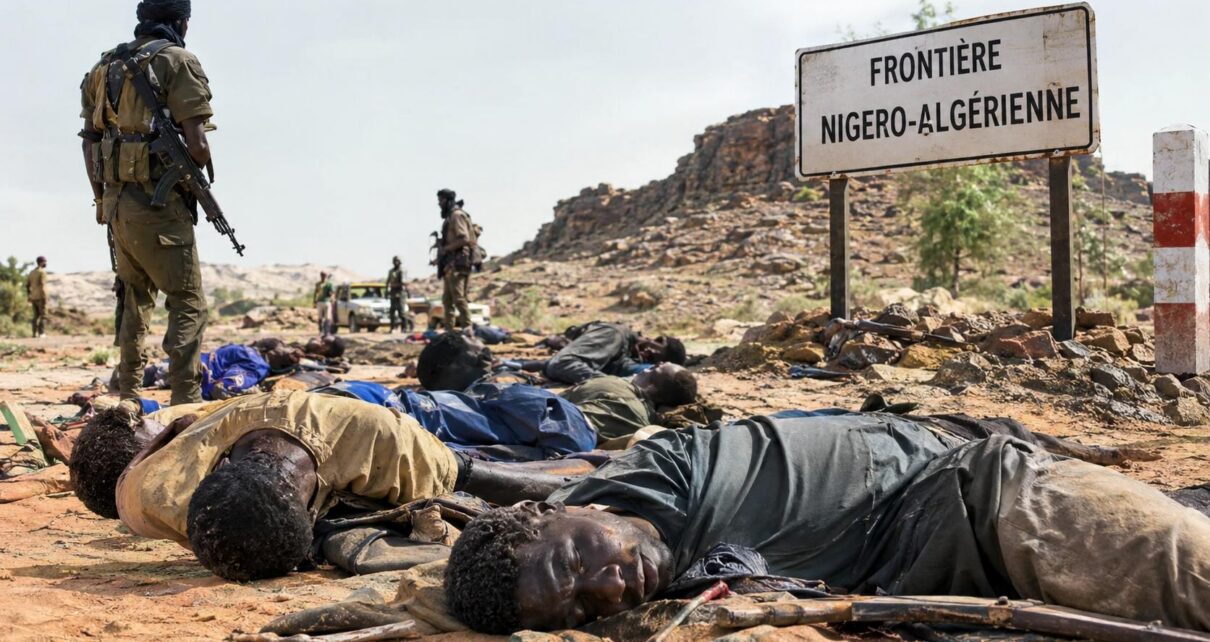
Mourning has spread across a remote corner of the Sahara where the borders of Niger and Algeria meet. A Mi-171 helicopter from the Algerian air force struck an improvised gold camp head-on, leaving 48 people dead — all of them civilians drawn to the isolated deposits by the promise of a few grams of gold.
The bombing unfolded in broad daylight, in a mineral-rich area that attracts hundreds of young diggers from Niger and surrounding countries. The Russian-built aircraft descended low over the site before firing on flimsy shelters and parked vehicles, and survivors described a scene of panic in which there was nowhere to run.
No shelter, no chance to flee
With no cover in the open desert, the miners were defenceless. Dozens were cut down instantly, and the seriously wounded were evacuated in dire conditions towards the closest medical posts, some of them hours away.
Counterterrorism language, civilian corpses
Algiers routinely presents its air patrols as part of the fight against terrorism and cross-border crime. This time, though, the people who paid the highest price were unarmed informal labourers, not militants.
Sovereignty under question as Niamey stays silent
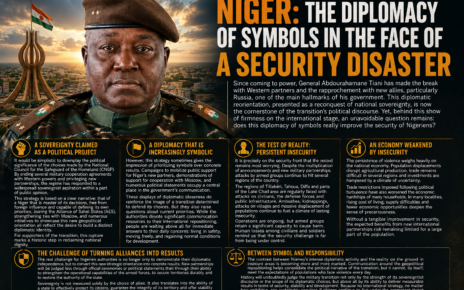
An airstrike by a foreign power on Nigerien soil, or immediately along its edge, would normally set off an open diplomatic crisis and loud official protests. In Niamey, however, General Abdourahamane Tiani and his junta have offered nothing but an embarrassed silence.
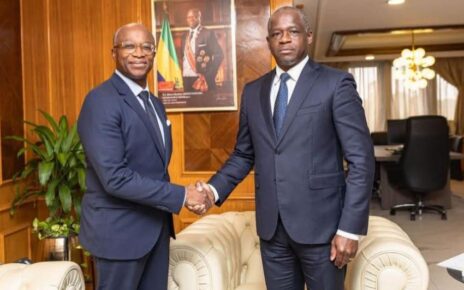
Implicit approval from Tiani’s government
For many observers of the region, the operation could not have gone ahead without a nod — perhaps even an explicit green light — from Niger’s new military authorities. Hungry for legitimacy and regional backing after breaking with its traditional alliances, Tiani’s government appears ready to trade territorial integrity and the lives of its own citizens for political survival. Algeria, determined to lock down its southern margins at any cost, is filling the authority vacuum on the other side of the frontier.
An army hollowed out by the failed coup and desertions
The Algerian incursion lands at a moment of extreme internal instability for the Nigerien armed forces. The army is still absorbing the shock of the coup attempt foiled during the night of 28-29 August, an episode that laid bare deep divisions in the command and among the troops.
Why soldiers are walking away
Since then, an unprecedented wave of defections has swept through the ranks:
- disappointment with the junta’s political direction;
- exhaustion caused by a steadily worsening security situation;
- a refusal to be complicit in abuses or internal score-settling.
Officers and ordinary soldiers alike are abandoning their posts. As the security apparatus frays, neighbouring armies and non-state armed groups find the door open, with the Nigerien forces no longer able to cover a territory as vast as theirs.
Families demand answers as anger spreads
Inside Niger, incomprehension has hardened into outrage. Relatives of the dead and civil society organisations are pressing for explanations. How can a government that placed national sovereignty at the heart of its rhetoric stand by while a foreign army massacres its civilians and never even demand an account?
A grim turning point for a weakened state
By turning a blind eye to the Algerian strikes and struggling to keep its own troops united, the Niamey junta is exposing the limits of its power. The border tragedy marks a dark milestone: a weakened country where prospecting for gold can cost you your life, and where sovereignty looks increasingly like nothing more than a slogan.