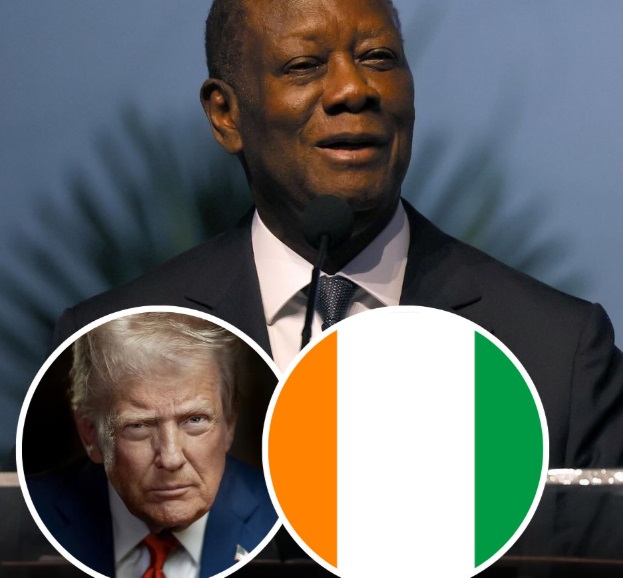
The Ivory Coast has recently declined a proposal from the United States to host non-citizens expelled from American soil, a move that underscores the delicate balance between international pressures and national sovereignty. This decision emerges amid intensifying discussions about the Trump administration’s evolving deportation policies, particularly the controversial practice of third-country removals.
In mid-June 2026, Christian Ehrhardt, director of the U.S. State Department’s Office of Remigration, visited Abidjan as part of a broader diplomatic tour across West and Central Africa. His mission was to secure agreements from governments to accept individuals expelled from the U.S., regardless of their nationality or prior ties to the host country.
Decoding the American deportation strategy
The U.S. proposal aligns with a broader policy shift under Donald Trump’s administration, designed to increase the volume of third-country deportations. This approach permits the removal of individuals to nations where they have no citizenship or meaningful connection, a departure from traditional deportation norms.
Internal State Department records reviewed by insiders indicate that by the end of June 2026, over $410 million in funding had been allocated or earmarked to facilitate agreements with 31 countries, primarily in Africa and Latin America. Since 2025, more than 25,000 individuals have reportedly been deported to at least 28 third countries, according to independent analyses.
The Ivory Coast’s sovereignty-driven stand
While some countries accepted financial incentives or other forms of aid in exchange for hosting deported individuals, the Ivory Coast chose to reject the proposal outright. According to reports, Abidjan did not feature among the nations listed in U.S. public data as having operational agreements for such deportations by mid-2026.
This refusal reflects a broader unease across Africa about the implications of third-country deportations, particularly when it comes to legal safeguards and the protection of individual rights. Human rights organizations and legal advocates have raised concerns about the adequacy of protections for those being transferred, highlighting cases where individuals face uncertain futures in unfamiliar lands.
Legal challenges to the deportation policy
Adding another layer of complexity, a U.S. federal appeals court ruled in September 2026 that the third-country deportation policy was unlawful due to insufficient safeguards for individuals being removed. The Trump administration has since indicated plans to appeal the decision to the Supreme Court, setting the stage for a high-stakes legal battle over the future of this policy.
What’s next for U.S.-Africa migration dynamics?
The Ivory Coast’s decision not only challenges the practical implementation of Washington’s deportation agenda but also raises critical questions about the sovereignty of African nations in negotiating these agreements. As the global conversation on migration shifts, the implications of such refusals could ripple across diplomatic, economic, and humanitarian spheres.
The outcome of the legal challenges in the U.S. may further influence how African governments approach future proposals, particularly as the debate over who bears responsibility for expelled individuals continues to intensify.