Boko Haram releases 416 hostages in Borno State after months of captivity
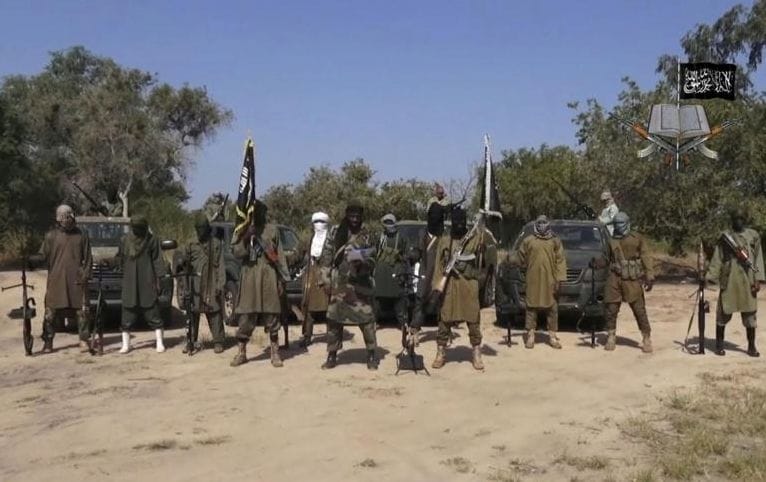
In a significant development in Nigeria’s ongoing security crisis, the extremist group Boko Haram has released 416 women and children who were abducted earlier this year from the village of Ngoshe in Borno State. The release occurred on Saturday, marking a rare positive turn amid the region’s persistent violence.
The freed hostages were handed over to local youth leaders and representatives of families who had been awaiting their return. Samaila Kaigama, President of the Borno South Youth Alliance (Bosya), confirmed the release and noted that the group had served as an intermediary between the kidnappers and the victims’ relatives. However, neither Kaigama nor Senator Mohammed Ali Ndume of Borno State provided details on the conditions of the release or whether any ransom was exchanged.
The operation’s specifics remain shrouded in uncertainty, with officials declining to disclose whether security forces played a role in securing the captives’ freedom. The lack of clarity has fueled speculation about the true circumstances behind their liberation.
Ngoshe: a hotspot for Boko Haram’s brutal campaigns
Ngoshe, located fewer than 10 kilometers from the Cameroonian border, sits in the Gwoza Hills—an area long considered a stronghold for Boko Haram. The region has been repeatedly targeted by the group’s attacks, which have left thousands dead and millions displaced since the insurgency began in 2009. The faction responsible for the kidnappings is believed to be the Islamic State’s West Africa Province (ISWAP), an offshoot of Boko Haram that has intensified its raids in recent years.
The latest release offers a glimmer of hope for communities ravaged by years of terror. Yet, it also underscores the persistent threat posed by armed groups operating in the region, where civilians continue to bear the brunt of the conflict.
What’s next for the freed hostages?
Families of the released hostages are gradually reuniting in displacement camps, where humanitarian organizations are providing medical and psychological support. Local authorities have pledged to prioritize their reintegration while strengthening security measures to prevent future abductions. However, with Boko Haram and ISWAP still active, the threat of further kidnappings looms large over the local population.