
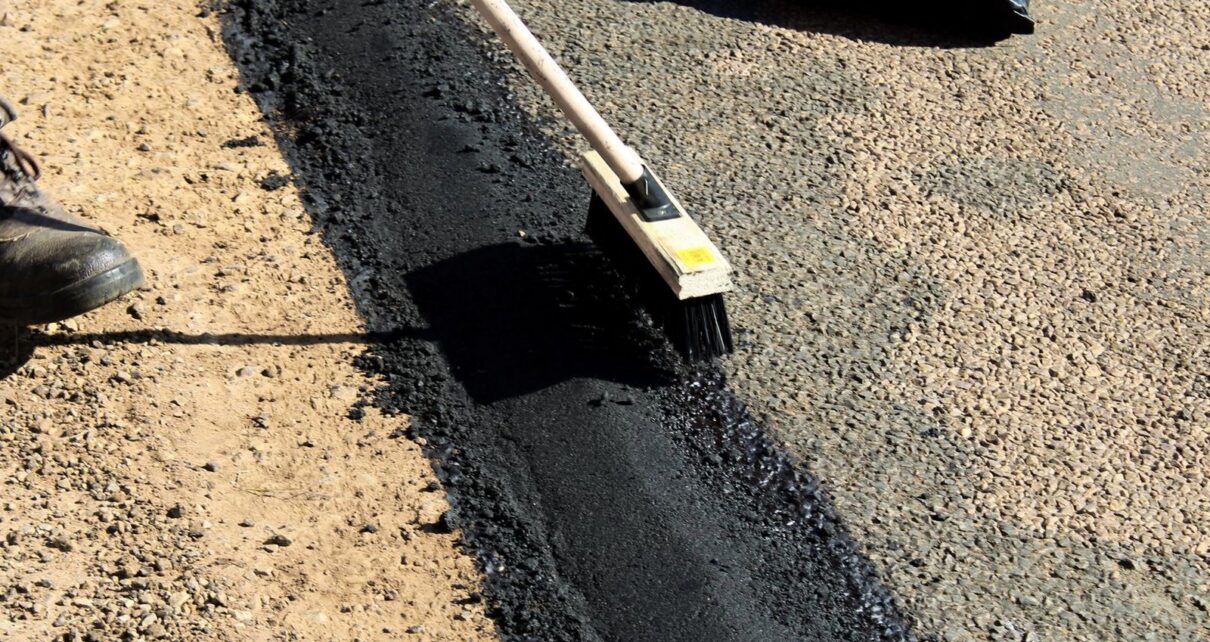
Between 2020 and the end of 2025, Cameroon has committed to an ambitious road infrastructure drive, paving an average of 488 kilometers of asphalt roads annually. This initiative, spearheaded by national authorities, aims to address the country’s long-standing infrastructure deficit, where paved roads remain a minority compared to the nation’s vast territory and regional logistics demands.
Paved roads as a backbone for national connectivity
By adhering to this yearly target, the government plans to complete nearly 2,928 kilometers of asphalt roads by the end of 2025. The expansion targets key intercity routes, urban feeder roads, and regional connector highways, all critical to economic integration. In Cameroon, the pace of road paving is not just an infrastructure metric—it reflects broader policy and economic priorities, enabling access to agricultural hubs, facilitating trade corridors, and unlocking remote areas in the North and East.
The national road network, historically dominated by unpaved tracks, is undergoing a transformation. While the current paving rate represents a marked improvement over past performance—often plagued by delays in internationally funded projects—it still falls short of regional benchmarks within the CEMAC zone. This gap keeps pressure on policymakers to deliver faster and more efficiently.
Boosting regional trade and economic competitiveness
Cameroon’s road infrastructure upgrade extends beyond its borders. As a logistics hub for landlocked neighbors like Chad and the Central African Republic, the country’s paved corridors are vital arteries for regional trade. The Douala-N’Djamena and Douala-Bangui routes, for instance, directly impact transport costs, travel times, and shipment reliability. Improved road conditions reduce wear on vehicles, minimize delays during rainy seasons, and help logistics operators maintain tighter cost controls—factors that influence pricing and competitiveness for importers and exporters alike.
This infrastructure push also aligns with Cameroon’s 2030 development strategy, which prioritizes road network densification as a precursor to industrialization. Agro-industrial zones in the South-West, Littoral, and Far North regions rely on reliable road networks to transport goods to domestic markets and export hubs. Furthermore, road connectivity plays a decisive role in attracting investment in mining and timber sectors, where efficient evacuation of raw materials is a key decision factor for investors.
Funding the road expansion: debt, sustainability, and maintenance
The rapid pace of road paving is underpinned by a diversified financing model, drawing on domestic budgets, concessional loans from international institutions like the World Bank and African Development Bank, bilateral funding, and Chinese-backed credit lines through Eximbank China. While this model has enabled swift mobilization of large capital inflows, it has also increased public debt servicing requirements and demands stringent fiscal discipline to preserve long-term fiscal health.
The sustainability of this paving rate hinges on the government’s ability to meet payment obligations to construction firms, several of which have raised concerns in recent years about delayed disbursements. Equally critical is the issue of road maintenance. Without a dedicated and consistent funding mechanism—such as the Road Fund—or a systematic upkeep policy, newly paved roads can deteriorate within five to seven years, turning initial investments into long-term liabilities. Authorities have indicated plans to strengthen tolling systems and earmarked levies to secure steady revenue for maintenance and upkeep.
The big question remains: can Cameroon maintain or even accelerate this pace of 488 kilometers per year amid tightening fiscal constraints and persistent demand for secondary and rural road infrastructure?