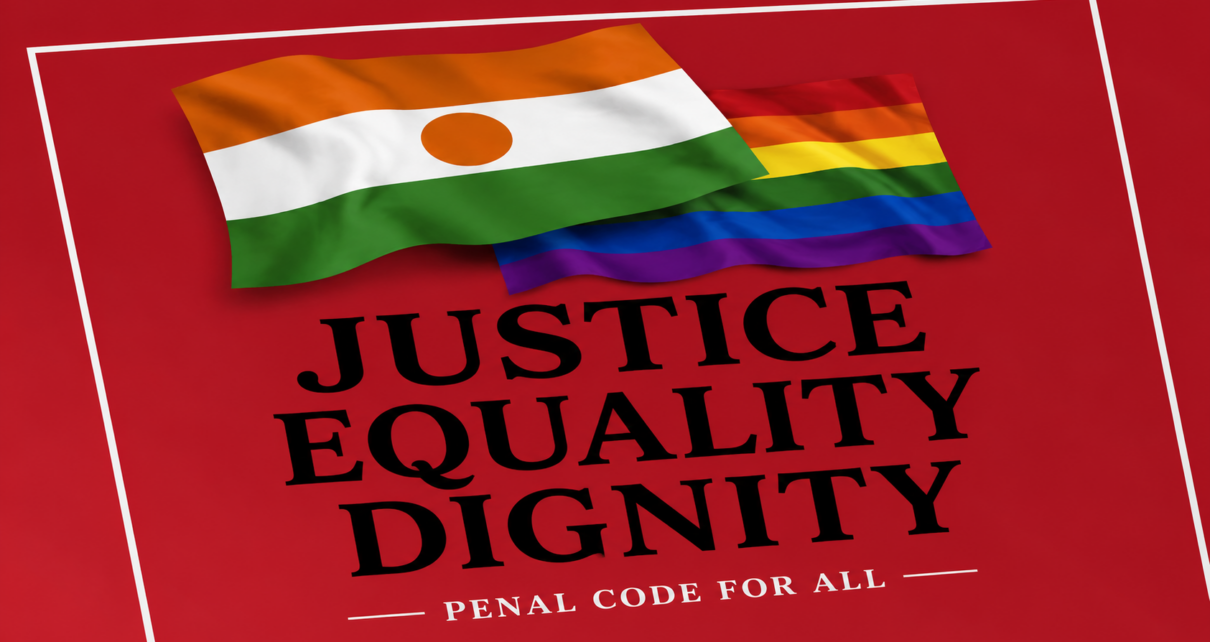
Niger adopts sweeping anti-LGBTQIA+ legislation
The Republic of Niger has enacted one of the most restrictive legal frameworks in West Africa, formally criminalising same-sex relations and LGBTQIA+ activism for the first time in its history. The new Penal Code, quietly signed into law by the military-led government in February, introduces penalties unprecedented in severity, combining long prison terms with substantial financial sanctions.
Key provisions of the revised Penal Code
The legislation, published in the Official Gazette, does not merely prohibit homosexual acts—it broadens the scope of criminal liability across multiple dimensions:
- Core offences: Individuals convicted of engaging in or attempting “indecent or unnatural acts,” including same-sex relationships, face imprisonment ranging from five to ten years.
- Aggravated circumstances: Where specific factors are present—such as involvement of minors, coercion, or repeated offences—the maximum sentence escalates to 20 years in custody.
- Financial penalties: Convicted individuals may also be fined up to 500 million West African CFA francs (approximately €750,000), with no provision for leniency or suspended sentences.
- Crackdown on advocacy: The law criminalises participation in or support for LGBTQIA+ organisations, events, or gatherings. Organisers, funders, or even witnesses of same-sex marriages can be prosecuted under the same stringent terms.
Government defends law as cultural preservation
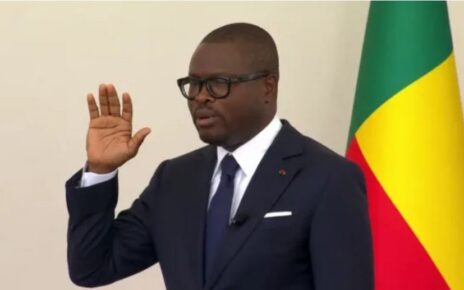
Proponents of the legislation, including Justice Minister Alio Daouda, frame the reform as a safeguard of national values and sovereignty. Speaking in defence of the new code, he stated that its purpose was to align the legal system with “the social and cultural fabric of Niger.”
This stance mirrors the broader political narrative of the current military administration, which has prioritised a return to “traditional African values” and rejected what it describes as “Western moral interference.” The move follows earlier steps such as the removal of comprehensive sexuality education from school curricula and the ban on certain reproductive health apps, justified on the grounds of preserving Islamic and conservative societal norms.
A regional trend toward repression
Niger’s legislative shift is not an isolated development. It reflects a growing regional pattern in which West African governments are tightening legal controls over gender and sexual minorities, often under pressure from religious organisations and amid political transitions.
- Senegal (May 2026): Previously lenient, Senegal doubled the maximum prison sentence for same-sex acts to ten years.
- Burkina Faso (2025): Criminalised homosexuality outright, establishing a five-year maximum penalty.
- Ghana (2024–2026): After prolonged legislative debate, Ghana adopted a law criminalising LGBTQIA+ advocacy, imposing sentences of three to five years.
Human rights organisations raise alarm
The implementation of the new Penal Code has triggered urgent warnings from both local and international human rights defenders. They highlight the heightened risks of violence, extortion, and false accusations faced by sexual minorities, who are already among the most marginalised groups in society.
Humanitarian actors operating in Niger also express deep concern that the law will drive LGBTQIA+ communities further into secrecy, undermining access to essential health services—particularly HIV prevention and treatment programmes. With over half of African countries now criminalising same-sex relations, Niger has aligned itself with some of the most repressive legal regimes on the continent.