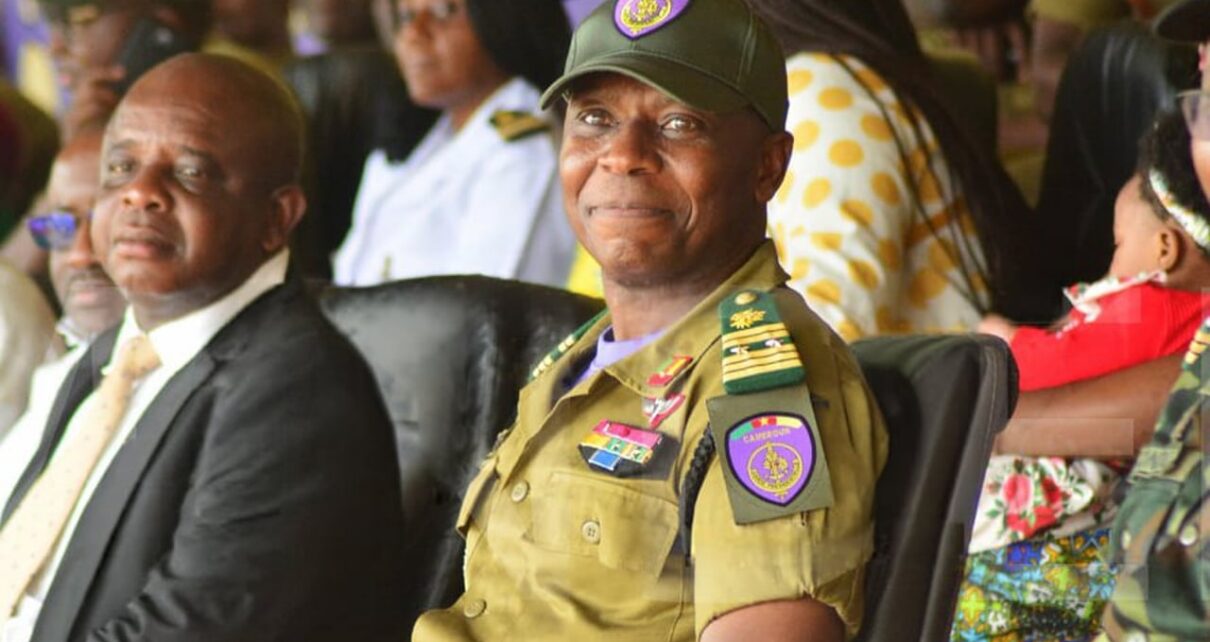

Key changes in Cameroon’s military leadership
The most significant development in Cameroon’s recent military reshuffle is the elevation of General Raymond Jean Charles Beko’o Abondo, who now holds the rank of brigadier general. This promotion, announced on August 3, 2026, marks a strategic shift in the country’s security apparatus.
Who is General Beko’o Abondo?
General Beko’o Abondo previously served as the commander of Cameroon’s presidential guard, a role that places him at the heart of the nation’s security operations. His new position reflects the government’s confidence in his leadership during a period of heightened regional challenges.
Implications of the reshuffle
The move is seen as part of a broader effort to strengthen Cameroon’s defense capabilities. The appointment signals a commitment to modernizing the military’s command structure, particularly in light of evolving security threats along the borders with neighboring countries.
Understanding the context
Cameroon has faced persistent security challenges, including insurgencies and cross-border threats. The military reshuffle is widely interpreted as a response to these pressures, aiming to enhance operational efficiency and leadership cohesion.
The timing of the promotion, just days after the announcement, underscores the urgency of these efforts. It also highlights the role of President Paul Biya in shaping the country’s defense strategy.
What comes next?
While the promotion of General Beko’o Abondo is the most visible change, further adjustments in the military hierarchy are expected. These may include additional appointments and reorganizations to align with the government’s strategic priorities.
The reshuffle is likely to have ripple effects across Cameroon’s security landscape, influencing everything from troop deployments to intelligence operations.
Why this matters for Cameroon
The restructuring of the military leadership is more than an administrative change—it represents a proactive stance in safeguarding national stability. By placing experienced commanders in key roles, the government aims to bolster its ability to counter emerging threats.
As Cameroon navigates complex regional dynamics, the decisions made today will shape the country’s security posture for years to come.