Cameroon’s military reshuffle sparks debate as President Biya remains abroad for nearly two months
Photo credit: AFP via Getty Images
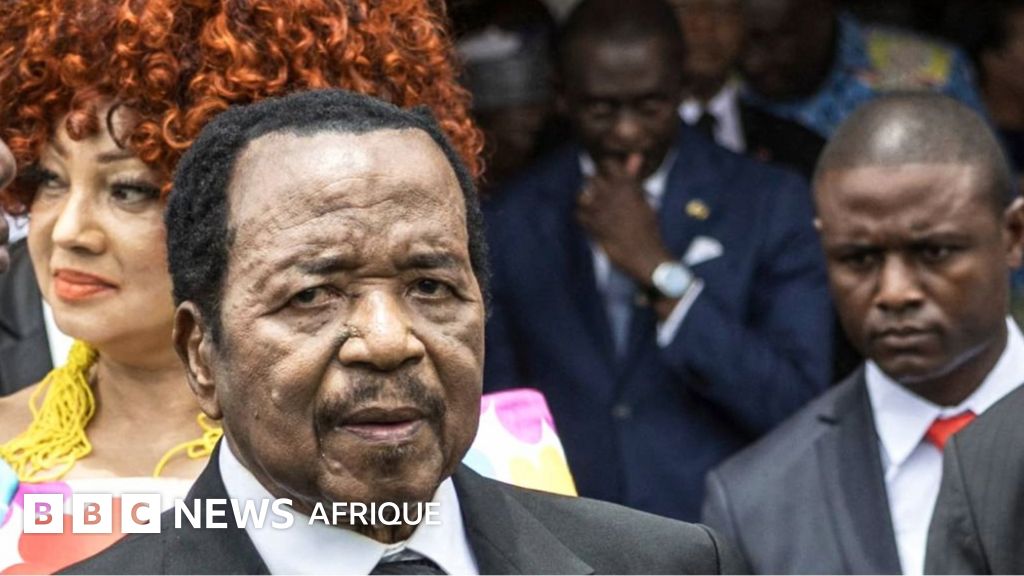
Cameroon’s Head of State, President Paul Biya, has reshuffled key military positions as concerns mount over his extended absence from the country. The 93-year-old leader, who has spent nearly two months in Switzerland, signed several decrees this week, including the promotion of five colonels to brigadier general rank.
Military reshuffle amid political uncertainty
Such reshuffles have become a recurring feature of Biya’s administration, particularly during periods of heightened public scrutiny or perceived vulnerability. The latest changes come shortly after Cameroon’s response to the 2023 coup in neighboring Gabon, which sent shockwaves across Central Africa. In the aftermath of that event, Cameroon swiftly reinforced its military command structure.
Following last year’s controversial eighth-term election, Biya also reshuffled top military brass, reinforcing control over the defense apparatus. In June, another round of promotions elevated several officers within the defense and security forces.
The timing of these latest appointments has reignited debates, especially on social media platforms, where critics question the transparency of the process.
Absence fuels speculation over leadership vacuum
Biya issued the decrees from Geneva, where he has been since departing Cameroon on June 7—a trip his team described as a “brief private stay.” However, the lack of clarity surrounding his activities and the prolonged duration of his absence has fueled widespread unease.
Despite his post-election promise to form a new government, no such cabinet reshuffle has materialized. The vice-presidency, created in April, remains unfilled, further deepening concerns about institutional stagnation.
During his nearly 60-day stay abroad, Biya has continued to sign official documents, including authorizations for international loan agreements. His prolonged absence has stoked fresh rumors about his health, though government officials have consistently dismissed claims of hospitalization.
Media restrictions and political fallout
Two years ago, authorities banned Cameroonian media from reporting on Biya’s health, a decision that drew sharp criticism from press freedom advocates. The government has since reiterated that the president remains in good health and will return to Cameroon soon.
Minister of Communication René Emmanuel Sadi recently stated in an interview that Biya was actively working from Geneva, dismissing opposition allegations that his absence constituted a de facto vacancy in power.
Mamadou Mota, Vice President of the opposition CRM party, countered that Cameroon is suffering from a “blatant institutional void.” He remarked last month, “Executive authority must be exercised from within the nation, not through distant decrees or vague signals from a hotel suite on another continent.”