Cameroun: 425 million USD for the Douala-Bangui road corridor project
A groundbreaking financing agreement worth 425 million USD has been secured for the 800 km road linking Douala in Cameroon to Bangui in the Central African Republic. The World Bank announcement paves the way for construction to begin next year on this critical trade artery.
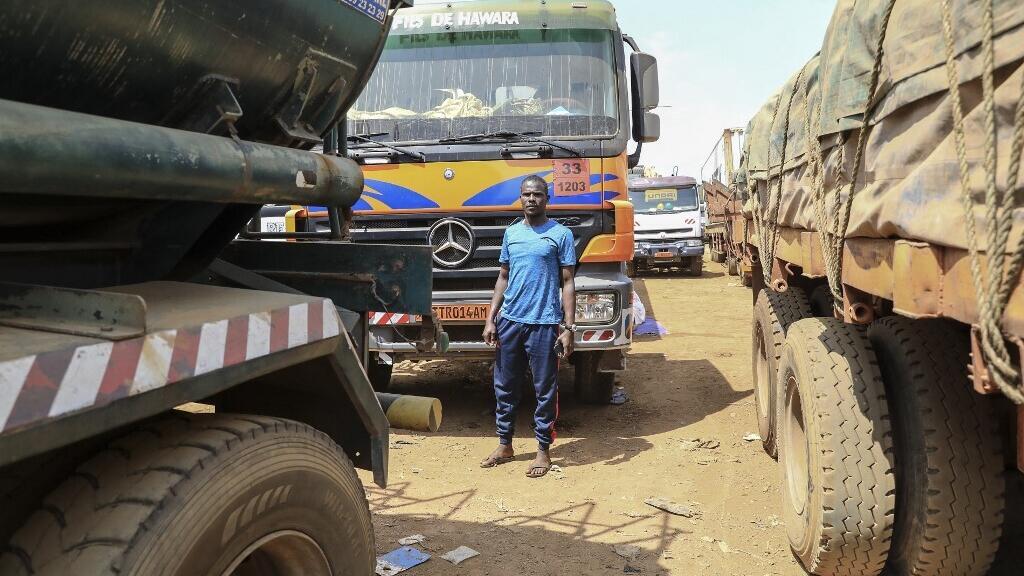
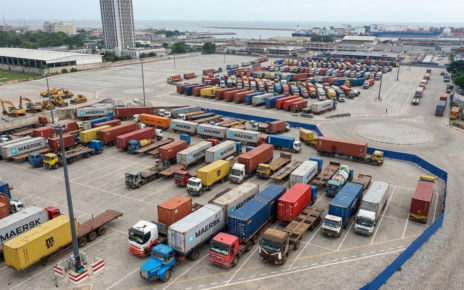
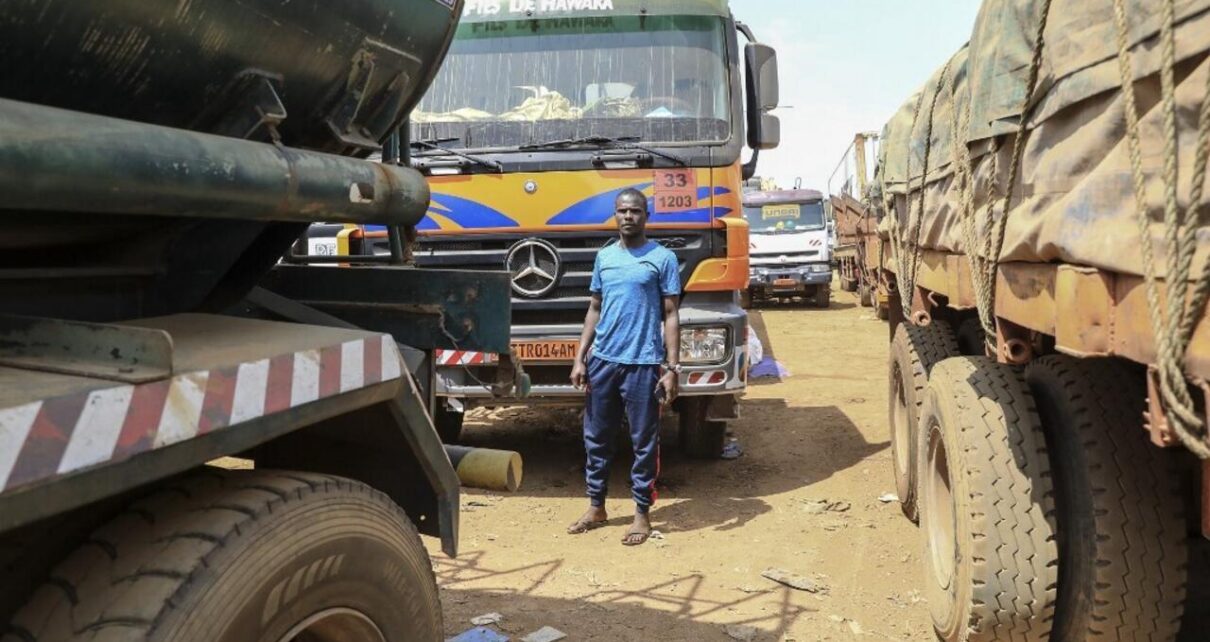
Cameroon’s transportation infrastructure is set to undergo significant transformation with the launch of the Douala-Bangui economic corridor project. The World Bank-backed initiative aims to modernize the 800 km route that currently handles 80% of goods destined for the Central African Republic and 70% for Chad. The current poor road conditions force transport times between Douala and Bangui to stretch between 9 to 12 days, a delay attributed not only to infrastructure decay but also to 17 informal checkpoints along the route.
Automated weighing systems to streamline operations
One of the project’s key innovations will be the implementation of automated weighing stations. «Vehicles suspected of overloading will be automatically directed to weighing stations where fines, if applicable, will be recorded and receipts printed on the spot,» explains Donnat Takueté, Director General of Studies at Cameroon’s Ministry of Public Works. This system is designed to eliminate bottlenecks and reduce transit delays caused by manual weighing procedures.
Phased funding and regional impact
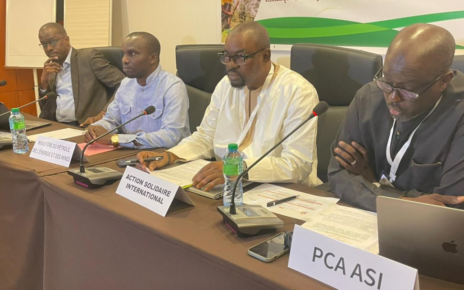
The World Bank’s funding commitment breaks down as follows: 425 million USD for Cameroon, 90 million USD for the Central African Republic, with additional regional support for the Economic and Monetary Community of Central Africa (CEMAC) to prepare for future project phases. Anne-Cécile Souhaid, Director of the World Bank’s West and Central Africa Region, notes that «this first phase focuses on Cameroon, where the most critical sections of the corridor lie, before extending support to neighboring countries.»
Rehabilitation works and economic benefits
Cameroon’s Minister of Public Works, Emmanuel Nganou Djoumessi, outlines the scope of the rehabilitation work: «The project includes reconstructing the 215 km Yaoundé-Douala route, rehabilitating the 332 km Yaoundé-Bonis-Ayos section, and upgrading the 353 km Bonis-Bertoua stretch, totaling 800 km of roads designed to meet economic demands.»
The corridor’s modernization is expected to create between 2,000 and 4,000 direct and indirect jobs over its multi-year timeline, while significantly reducing transport costs and improving trade efficiency across the subregion.