What does the junta’s new press law really mean for Niger?
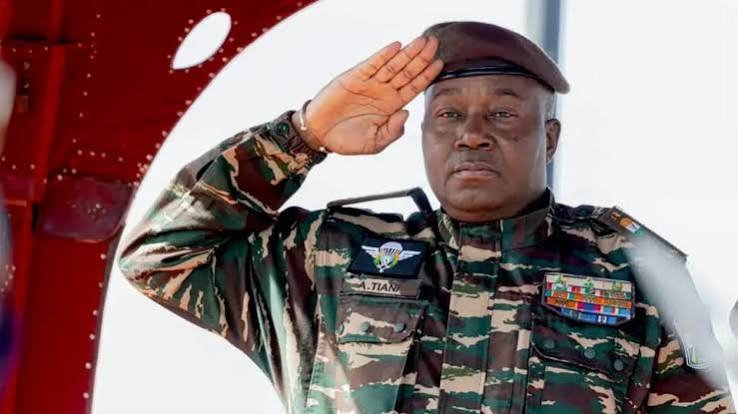
In Niger, the military government has unveiled a fresh legal framework for electronic media and foreign press, claiming it will protect the nation’s digital sovereignty. But for many observers, this move raises a critical question: can press freedom survive under such tight controls? The Conseil national pour la sauvegarde de la patrie (CNSP) says it is defending the virtual space, yet the reality looks more like building an information wall that could silence independent voices.
The regime’s tightening grip on online media
The ordinance targeting electronic press leaves little room for doubt. Under the guise of “modernizing regulations” and “fighting disinformation,” the junta grants itself unlimited power to hunt down dissent. With traditional outlets already pressured to toe the official line, digital platforms and online media had become the last refuge for citizens, bloggers, and independent journalists seeking to challenge the official narrative. Now, who will decide what counts as “fake news”? Unsurprisingly, not an independent judge, but the military state itself. “Professional responsibility” has become the new code for forced conformity.
A barrier against foreign media
The second part of the law targets international press and foreign correspondents. The language is carefully chosen: “accreditation procedure,” “identification,” “traceability.” But the veneer is thin. In practice, it amounts to systematic profiling and absolute control over journalists’ work. By subjecting correspondents to drastic filters, Niamey is not just protecting itself from supposed interference: it wants to pick its witnesses, impose its narratives, and shut out any critical eye. This creates a hermetic media bubble where only government-approved truths are allowed.
The monologue of a fearful power
Claiming that “sovereignty is at stake in the information space” is a convenient shortcut. But confusing a people’s sovereignty with a government’s monopoly on speech is a major political mistake. A state that fears contradiction so much that it locks down every news feed does not show strength; it exposes its weaknesses. By turning the press into a propaganda tool and journalists into default suspects, Niger is not reinforcing its sovereignty. It is isolating itself further, forcing its population to choose between imposed silence and the clandestine whisper of social networks. Information is not a threat to the homeland: it is the mirror of its democratic health. And that mirror, the CNSP has just shattered.