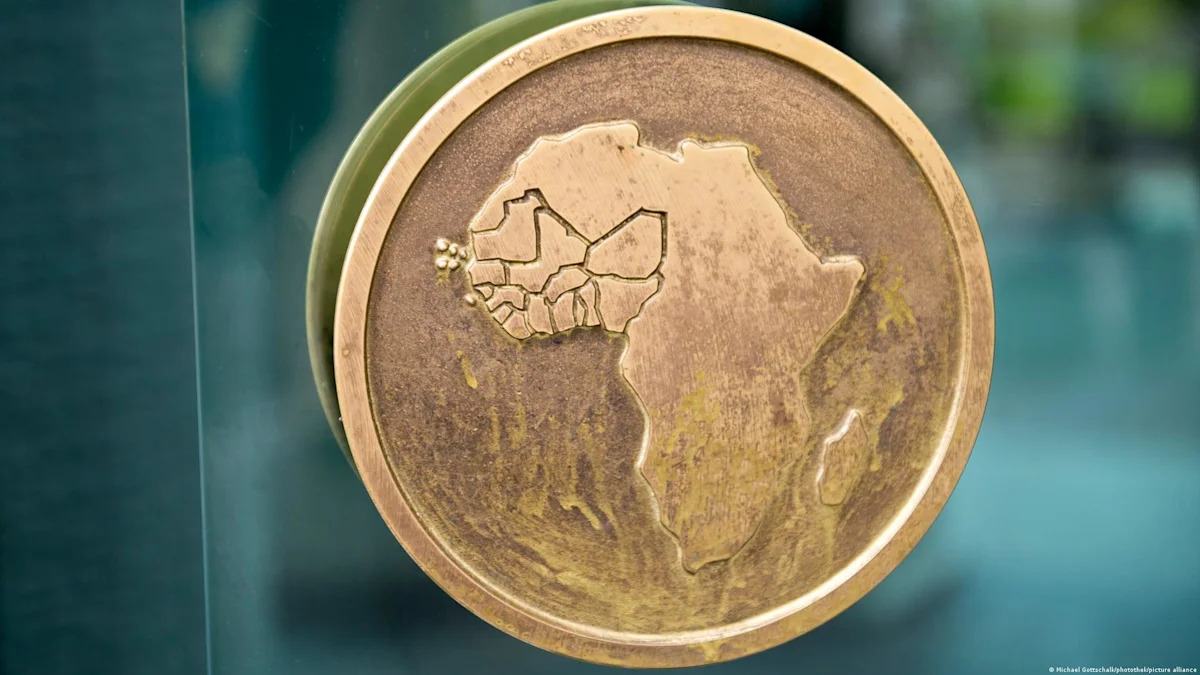
West African leaders confront CEDEAO’s future without AES nations
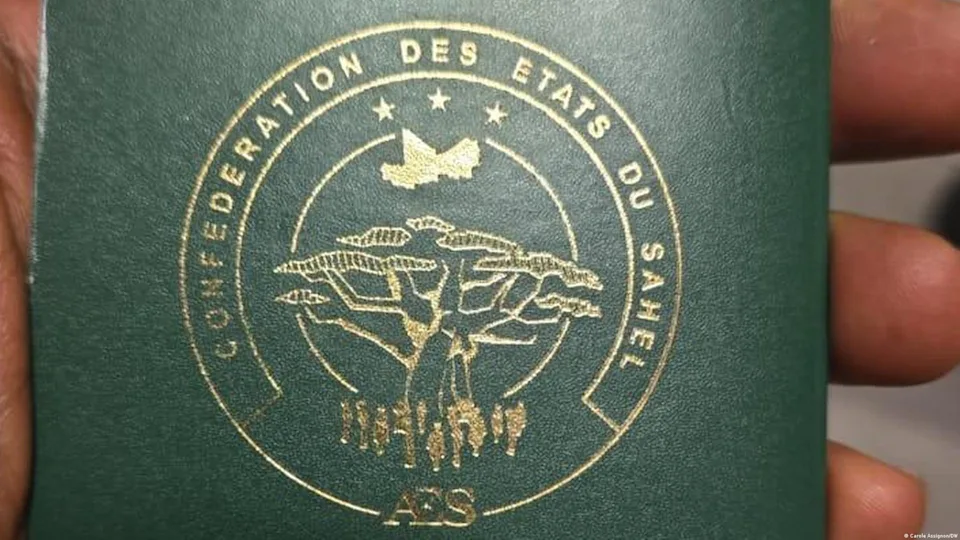
The 69th Community of West African States summit convenes in Freetown, Sierra Leone, at a defining moment for the regional bloc. While leaders gather to address pressing challenges, three key members remain absent: Niger, Mali, and Burkina Faso have forged a separate alliance within the Alliance of Sahel States, leaving the CEDEAO organization at a crossroads.
Redefining CEDEAO’s future without Sahel allies
Beyond symbolic divisions, the critical question looms over this gathering: how can West African leaders reimagine the CEDEAO’s role after the departure of Mali, Niger, and Burkina Faso? Though these nations have formed their own alliance, their geographical proximity and shared security threats demand continued cooperation.
Regional heads of state are expected to explore pathways for dialogue, focusing on maintaining trade flows, ensuring unhindered movement of people, and reinforcing collective security efforts against a rising tide of terrorism that knows no borders.
For Aliou Diakite, a CEDEAO governance analyst, the stakes extend far beyond institutional politics. “The real challenge lies in addressing governance failures, escalating insecurity, and emerging threats like organized crime, electoral instability, climate change, and pandemics—issues that demand urgent attention from West African leaders as they shape the bloc’s future,” he explains.
Stalled regional force faces renewed pressure
Years of deliberation have not yet translated into action for the CEDEAO Standby Force. Proposed as a rapid-response mechanism against terrorism and political crises, this initiative remains largely on paper despite its potential to stabilize the region.
This week’s preparatory ministerial meetings in Freetown signal a growing impatience among member states to fast-track its deployment. Michel Ange Bangoura, Guinea’s CEDEAO cooperation coordinator, underscores the urgency: “Institutional frameworks for the force are already in place; what’s missing is political will and resource allocation. Each country must commit at least a company-sized unit, and a host nation must be designated without delay.”
When pressed on a possible timeline, he adds: “Discussions are underway to finalize a deployment strategy within this session. The goal is to operationalize the force as soon as feasible.”
The summit will also confront the need for sweeping institutional reforms to restore credibility after years of political turbulence and military takeovers across West Africa.